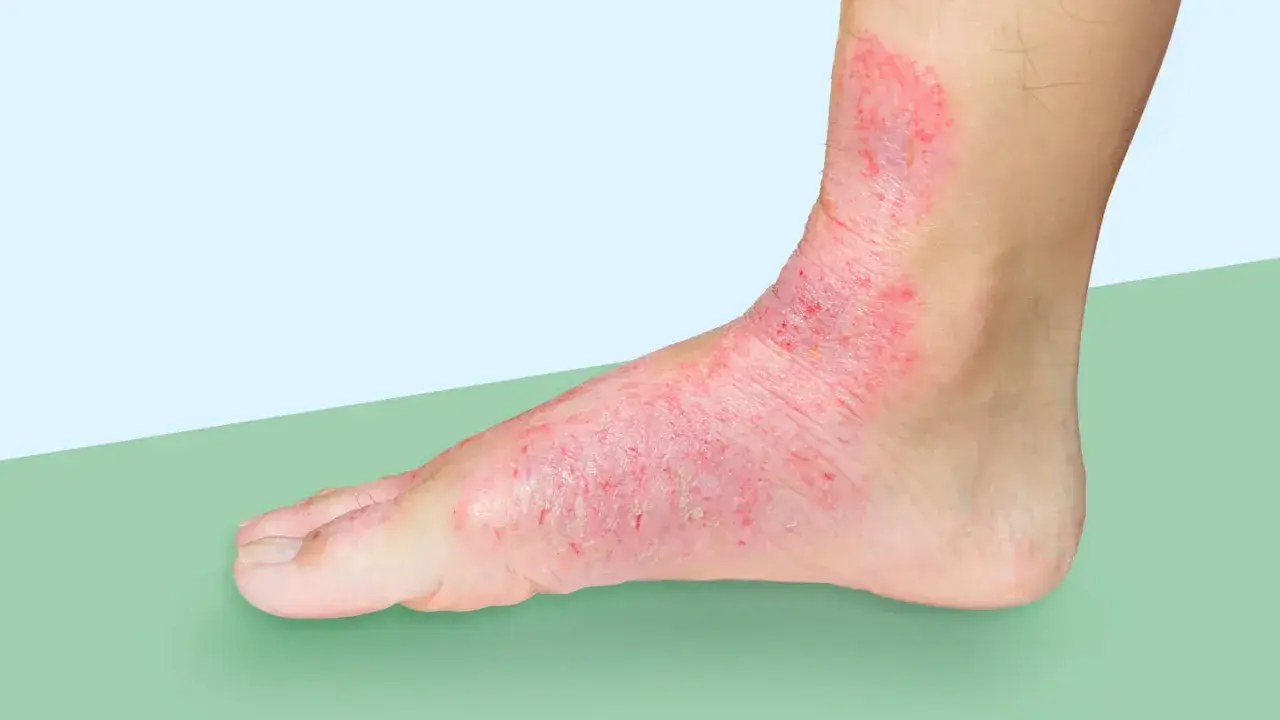
Swimmer’s toe is one of those small pool-related problems that can become annoying fast: the skin under and around the toes gets tender, red, cracked, or peeled after repeated exposure to water and rough surfaces. In this article I break down what it usually means, how to tell it apart from athlete’s foot, what helps at home, and how to keep it from coming back without cutting your training short. For swimmers, the real issue is not just discomfort; it is the way a minor skin problem can turn into a recurring one when the deck, the lane, and the skin barrier keep rubbing against each other.
The main facts to know before you treat it
- This is usually a friction-and-moisture problem, not a mysterious infection.
- The most common signs are redness, tenderness, peeling, or small blisters on pressure points of the toes.
- Pool surfaces, long barefoot time, and repeated push-offs make it worse.
- It can look similar to athlete’s foot, but the pattern and symptoms are different.
- Mild cases often improve within a few days once friction is reduced and the skin barrier is supported.
- Spreading redness, drainage, or strong itching means you should stop guessing and get it checked.
What pool-related toe irritation actually is
When I look at this problem clinically, I think of it as frictional dermatitis with a lot of water exposure layered on top. The skin on the toe pads and the ball of the foot gets softened by repeated soaking, then rubbed by rough concrete, lane edges, or repeated push-offs. That combination can leave the skin red, sore, peeling, or blistered.
It is helpful to keep the distinction clear: this is usually not a virus, and it is not automatically a fungus either. The outer skin barrier gets stressed, and once that barrier is weakened, the toes feel every bit of friction more sharply. Some cases are mild and just look like dry peeling; others feel more like a raw burn after a long session. That difference matters, because the next step is not the same for every swimmer.
I also tell swimmers not to dismiss the problem as "just wrinkly feet." Wrinkling from water is temporary; this irritation is a real skin reaction that can crack, sting, and keep coming back if the same pool routine never changes. Once you understand that, it becomes easier to fix the cause instead of chasing the symptoms.
That leads to the practical question: what keeps making it show up in the first place?
Why it shows up in swimmers
Most cases come down to a simple equation: softened skin + repeated rubbing + enough time in the water. The exact trigger is different from one swimmer to the next, but the patterns are predictable.
- Rough pool surfaces can scrape the toe pads and the underside of the forefoot, especially in older facilities or around concrete deck edges.
- Long barefoot walks from locker room to pool and back again add friction before and after the swim even starts.
- Repeated push-offs and turns create pressure at the same spots over and over, which is why competitive swimmers notice it more often.
- Dry or sensitive skin breaks down faster, especially if someone already has eczema, psoriasis, or naturally low skin moisture.
- Sweaty feet and trapped moisture can make the skin softer and more vulnerable, then the rubbing does the rest.
The important part is that the pool is not always the only culprit. Training volume, deck surfaces, footwear habits, and your baseline skin condition all shape the outcome. If one swimmer gets irritation after 20 minutes and another can log an hour without issues, the difference is usually in those background factors.

How to tell it apart from athlete’s foot or a simple blister
This is the section that saves people a lot of wrong treatment. I see swimmers assume every toe rash is fungal, then they reach for the wrong product and wonder why nothing changes. The pattern matters more than the label.
| Feature | Pool-related toe irritation | Athlete’s foot | Simple friction blister |
|---|---|---|---|
| Typical feeling | Tender, stinging, or sore | Itchy, burning, sometimes sore | Sharp pain or pressure in one spot |
| Where it shows up | Toe pads, bottoms of the toes, pressure points | Between the toes, sides of the foot, or soles | One localized rubbing point |
| What it looks like | Redness, peeling, raw skin, small cracks, or mild blisters | Scaling, itching, white soggy skin, cracking between toes | A raised clear blister, sometimes with surrounding redness |
| Usual trigger | Water exposure plus friction from rough surfaces | Fungal growth in warm, moist environments | Repeated rubbing from shoes, fins, or a surface edge |
| How it behaves | Often flares after pool time and improves when friction stops | Can spread and linger without antifungal treatment | Usually settles once the rubbing stops and the skin is protected |
My rule of thumb is simple: if the main complaint is itching between the toes, I think fungus. If the main complaint is tenderness on pressure points after pool contact, I think friction first. If there is foul odor, drainage, rapidly spreading redness, or fever, the problem may be more than routine skin irritation and should be treated as such.
That distinction matters because the first 48 hours can either calm the skin down or keep the cycle going.
What I would do in the first 48 hours
When the skin is already irritated, the goal is not to "push through" it. The goal is to lower friction, restore the barrier, and prevent the cracked areas from turning into a bigger problem.
- Rinse gently and dry well. Use lukewarm water, mild cleanser if needed, and make sure the spaces between the toes are fully dry.
- Pause the roughest exposure for a day or two. If the deck, wall, or lane edge is clearly aggravating the skin, give it a short break if you can.
- Use a bland barrier ointment. A plain petrolatum-based ointment or fragrance-free healing balm can reduce further cracking when applied to intact, dry skin.
- Protect open spots. If a blister or crack is rubbing on shoes, a hydrocolloid bandage can help, as long as the skin is clean and not obviously infected.
- Do not pick or peel. That usually turns a small problem into a much longer one.
If the skin is just dry and flaky, a moisturizer can make a real difference. I usually prefer a thicker foot cream for swimmers, especially after a shower and before bed. If the skin is raw, skip harsh acids until it settles down; those products can sting and do more harm than good on broken skin.
Once the skin is calmer, the next job is preventing the same irritation from showing up again next week.
How to keep it from coming back without cutting training time
The best prevention plan is usually boring, but it works. It is mostly about reducing the number of times the skin gets softened and rubbed in the same session.
- Dry your feet completely after every swim. Moisture trapped between the toes keeps the barrier weak.
- Moisturize twice a day if your skin runs dry. A thicker cream is better than a light lotion for swimmers who peel easily.
- Wear water shoes on rough decks or in locker rooms. They do not solve everything, but they cut a lot of unnecessary abrasion.
- Minimize barefoot time on hot or gritty surfaces. Walking back and forth across a rough deck adds up faster than most people think.
- Pay attention to gear fit. Fins, fins straps, or tight footwear can create a second injury on top of the pool irritation.
- Address dry skin or eczema early. If the skin barrier is already weak, the pool exposure becomes much more irritating.
One practical habit I like is drying, then moisturizing, then putting on clean socks or shoes right away if you are leaving the pool area. That order helps more than people expect because it keeps the skin from spending extra time in a damp, vulnerable state. It is a small change, but in swim health, small changes usually beat dramatic ones.
If the irritation keeps returning, though, prevention alone is not enough. That is when I start thinking about whether something else is going on.
When the toes need a clinician, not just a better routine
Most mild cases settle with better skin care and less friction, but there are clear limits to home treatment. I would get medical help if any of the following show up:
- Redness that spreads beyond the original sore area
- Warmth, swelling, pus, or a bad smell that seems new
- Pain that makes walking difficult
- Cracks that keep bleeding or do not improve after about 1 to 2 weeks
- Frequent recurrences every time swim volume increases
- Diabetes, poor circulation, or a weakened immune system
Those details matter because repeated toe irritation is sometimes only part of the story. A fungal infection, bacterial infection, contact allergy, or an underlying dermatitis can all change the treatment plan. If you treat the wrong problem, the skin may look better for a day or two and then flare again as soon as the pool schedule picks up.
The best outcome is usually the simplest one: identify the pattern early, protect the skin barrier, and remove the friction that keeps restarting the injury.
The routine that usually works best before the next session
When I strip this topic down to its essentials, the answer is straightforward. Keep the feet dry when you are out of the water, reduce rough-surface contact when you are in it, and support the skin barrier before the cracking starts. That combination solves most mild cases and prevents a lot of repeat irritation.
If the problem keeps coming back despite those changes, I would stop treating it like a minor nuisance and start treating it like a recurring skin issue that deserves a real diagnosis. Getting the right label is often what finally gets the toes back to normal.