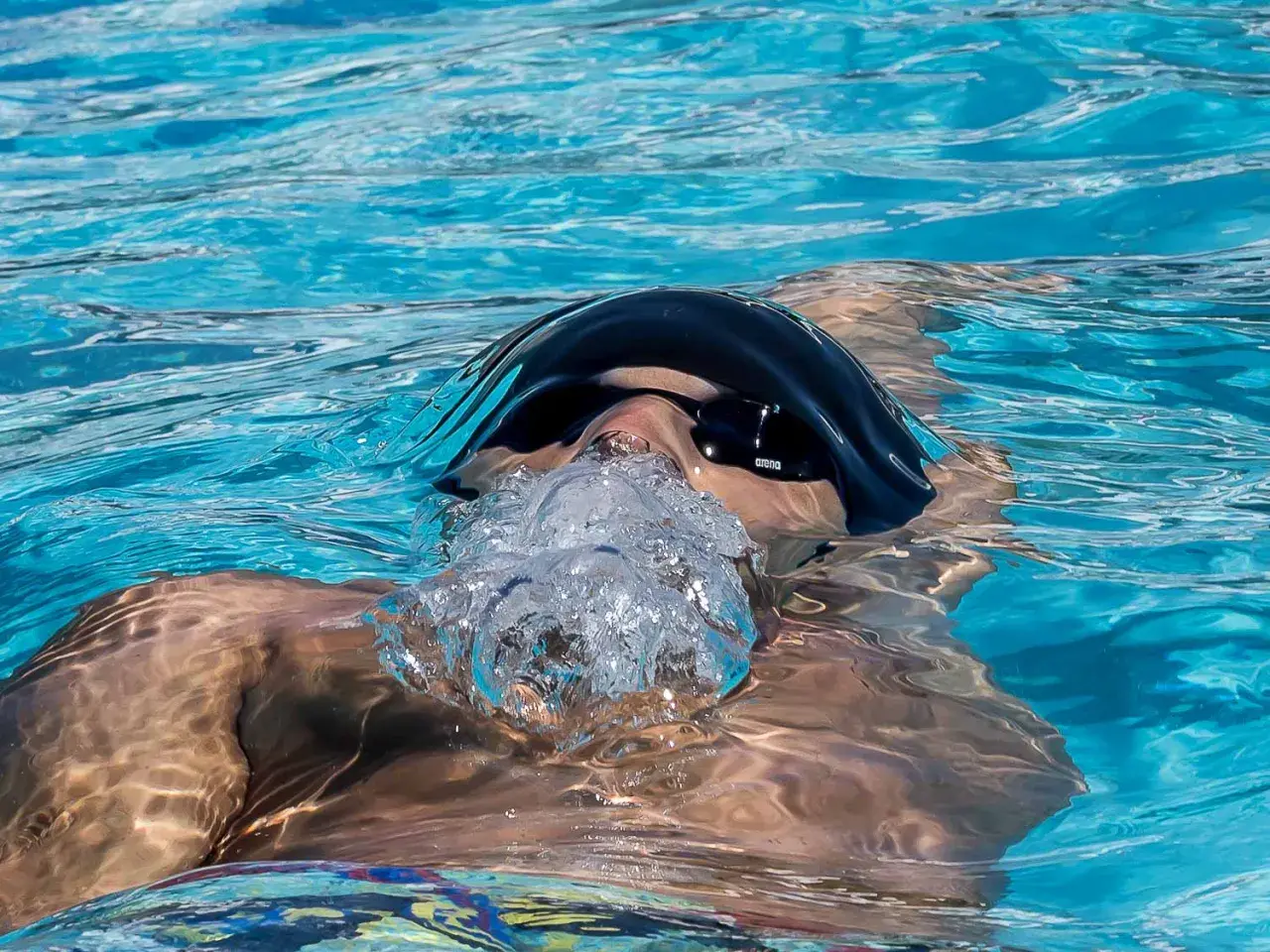
A scraped knee is usually a small wound, but can you swim with a scraped knee safely? The answer depends less on the scrape itself and more on how open it is, how cleanly it has been covered, and where you plan to swim. In practice, a tiny superficial abrasion is a very different situation from a raw, bleeding knee that keeps rubbing against water and fabric.
What matters most before you get in the water
- Superficial and dry usually means lower risk than a fresh, open, or dirty scrape.
- A properly maintained pool is usually less risky than lakes, rivers, the sea, or a hot tub.
- If the wound cannot be fully covered with a waterproof dressing, I would skip the swim.
- Rinse the area, dry it well, and change the dressing as soon as it gets wet or lifts at the edges.
- Watch for redness, warmth, swelling, pus, bad smell, or fever after swimming.
- If the scrape is dirty, deep, or larger than about 5 cm, get medical advice rather than guessing.
How open the scrape is changes the answer
A scraped knee is an abrasion, which means the top layer of skin has been rubbed off. If it is only superficial, has stopped bleeding, and looks more like pink raw skin than an actual gap, the risk is lower. If it is still oozing, bleeding, packed with grit, or sore enough that you keep touching it, I would treat it as an open wound rather than a harmless mark.
That distinction matters because water does two things at once: it can loosen the healing surface, and it can carry germs into the wound. The NHS advises that small cuts and grazes should be cleaned and covered, then kept dry under a dressing until they close. My rule is simple: if I cannot keep the knee sealed and stable, I do not count it as swim-ready.
Once you know the scrape itself is the main issue, the next question is the water you are stepping into.
Some water is far less forgiving than other water
In the UK, the safest choice is not just about the wound. It is also about whether you are in a controlled indoor pool, a busy leisure centre, or natural water that changes with weather and tides. The CDC guidance is clear that open cuts and wounds should stay out of the water when possible, and if you do go in, they should be covered completely with a waterproof bandage.
| Water type | Risk with a scraped knee | Why it matters | My practical call |
|---|---|---|---|
| Well-maintained indoor pool | Lower, but not zero | Chlorine reduces germs, but it does not make water sterile | Possible only if the scrape is tiny and fully sealed |
| Busy public pool or waterpark | Moderate | More swimmers means more skin contact, more splashing, and more chance of a dressing lifting | Be stricter about coverage, and skip it if the dressing will not stay put |
| Sea or brackish coastal water | Higher | Coastal water can expose wounds to bacteria that are not a problem in a clean pool | Best avoided until the skin has closed |
| Lake or river | Higher | Water quality can change after rain, runoff, or closure notices | Do not rely on a plaster alone if the scrape is fresh |
| Hot tub | Highest | Warm water is harder on healing skin, and shared water is not a good trade for a fresh abrasion | I would skip it |
Open water deserves the most caution. Coastal water can expose an open wound to germs that live naturally in salt or brackish water, and the CDC specifically advises people with open wounds to stay out of saltwater or brackish water if possible. That is the point where a “small scrape” stops being small.
If the water choice is sensible, preparation becomes the deciding factor.
How to prepare the knee if you still plan to swim
I would not jump straight in and hope for the best. Start by rinsing the scrape with clean tap water, removing any loose dirt, and patting it fully dry. The NHS recommends cleaning a small graze and covering it with a plaster or dressing, then keeping that dressing clean and dry.
- Wash your hands first so you do not rub more bacteria into the wound.
- Rinse the scrape gently with water until loose grit is gone.
- Pat the skin dry instead of rubbing it.
- Apply a waterproof dressing that fully covers the scrape and reaches onto healthy skin.
- Press down the edges so they seal well, especially around the bend of the knee.
- Do a quick bend test before entering the pool. If the dressing lifts when you flex the joint, it is not secure enough.
- Shower for about one minute before swimming to remove dirt and oils that reduce the effectiveness of pool chemicals.
An occlusive dressing is simply a sealed covering that keeps water out. That is the type of protection you want here, not a loose fabric plaster that gets soggy in five minutes. If the wound sits right over the kneecap and the seal keeps shifting, I would treat that as a sign to wait rather than improvise.
Good preparation reduces the risk, but it does not make every swim a smart idea.
When I would tell a swimmer to skip the session
Some situations are not worth negotiating with. If any of the points below apply, the safest call is to stay out of the water and let the knee settle first.
- The scrape is still bleeding, weeping, or visibly open.
- There is dirt, sand, or another foreign material still in the wound.
- The scrape is larger than about 5 cm or has ragged edges.
- You cannot keep the dressing fully sealed while walking, bending, or kicking.
- You are heading for the sea, a river, a lake, or a hot tub instead of a clean pool.
- You have diabetes, poor circulation, or a weakened immune system and the wound is not clearly closed.
- The pool looks cloudy, smells off, or has a closure notice.
The same caution applies if the scrape came from something dirty outdoors. If you are unsure about your tetanus protection, or the wound is still dirty after cleaning, that is a reason to speak to a GP or call NHS 111 rather than trying to “test” it in water. For a knee abrasion, a short delay is usually cheaper than dealing with an infection.
After the swim, the job is not finished yet.
What to do after swimming so the scrape does not worsen
As soon as you are out, check whether the dressing has lifted or absorbed water. If it is damp underneath, remove it, rinse the area again with clean water, pat it dry, and apply a fresh dressing. I would also wash off chlorine, sand, or seawater as soon as practical instead of letting it sit on the skin.
Then watch the knee over the next couple of days. Seek advice if the area becomes more painful, red, warm, swollen, or starts to leak pus. A bad smell, fever, or feeling generally unwell are stronger warning signs and should not be brushed off. The NHS lists those changes as reasons to get urgent help, and I would follow that guidance rather than waiting for it to “clear up on its own.”It is also worth paying attention to how the wound looks after every swim, not just the day of the injury. A scrape that looks fine in the morning can become irritated later if the dressing keeps rubbing or the skin reopens at the bend of the knee.
The simplest rule I use for a scraped knee
If the wound is clean, small, dry, and fully sealed, a short swim in a properly maintained pool is usually the lowest-risk option. If any part of that sentence is not true, I wait. That one decision removes most of the guesswork and keeps a minor abrasion from turning into an infected knee that interrupts training for far longer than a single missed session.
For UK swimmers, I would be especially strict with coastal water, natural open water, and any pool that looks poorly maintained. A scraped knee is easy to underestimate, but it only stays minor when you protect it properly and give it a fair chance to close.