The short version for safer swimming
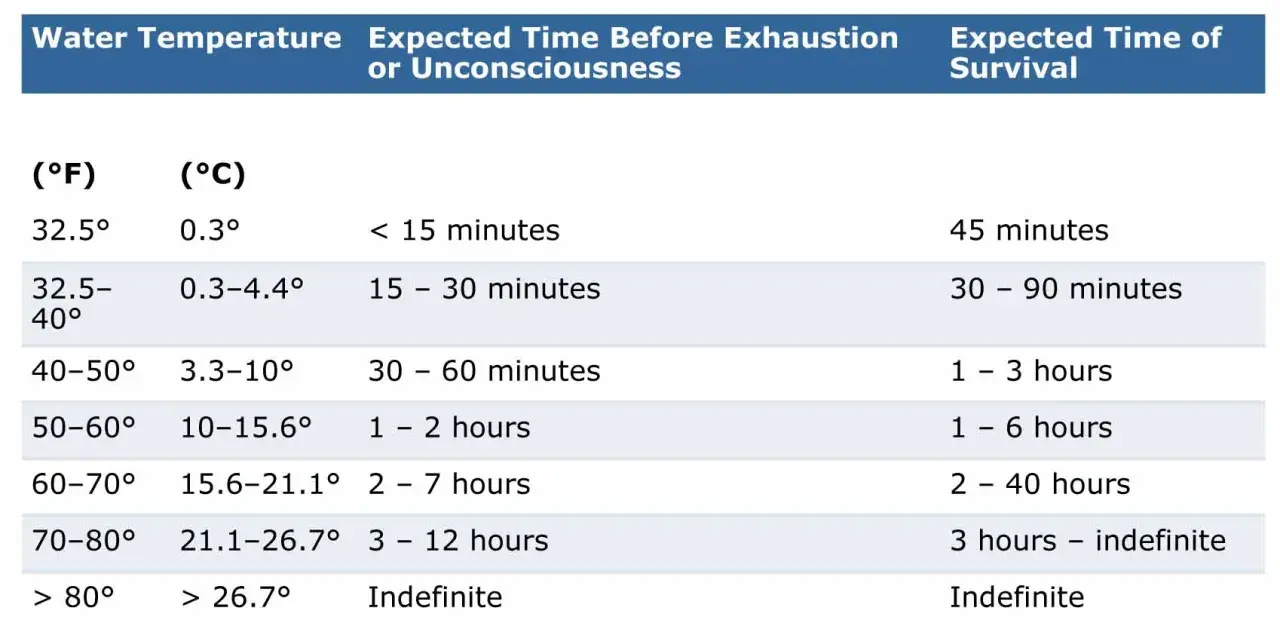
- For most casual swimmers, below 15°C is the point where water stops being merely fresh and starts becoming a real safety factor.
- 11-15°C is a cold-water range where short, controlled open-water swims can be possible for experienced swimmers, but the margin for error gets smaller.
- Below 11°C, I treat the swim as experienced-only territory, with planning, supervision, and a short exposure time.
- A wetsuit helps with warmth and buoyancy, but it does not remove cold shock or make poor conditions safe.
- Wind, current, fatigue, illness, and exit access matter almost as much as the thermometer.
A practical temperature scale for swimmers
| Water temperature | What it usually feels like | My practical reading | Best fit |
|---|---|---|---|
| Below 11°C | Very cold, with an immediate bite on entry | Expert-only territory | Highly acclimatised swimmers, short sessions, strong supervision |
| 11-14°C | Cold enough to affect breathing and control | Controlled cold-water swim range | Experienced open-water swimmers using a wetsuit and a clear exit plan |
| 15-17°C | Cool, but manageable for many fit swimmers | Still cold-water territory, but less harsh | Recreational open-water sessions and shorter training swims |
| 18-22°C | Comfortable for most people after the first minute | Usually fine for general swimming | Most leisure swims and pool-to-open-water transitions |
| Above 22°C | Warm enough for long comfort in most cases | Less of a cold-risk problem | Longer sessions, though wetsuits can become too warm |
For me, the useful line is not “is this cold?” but “is this cold enough to change my behaviour?”. A 15°C lake and a 15°C sea swim can both be manageable, yet they are not equally forgiving, especially if the entry is awkward or the exit is long. That is why the next question matters just as much as the number on the thermometer: what the cold does to your body.
Why cold water becomes unsafe quickly
Cold water is not dangerous only because it feels unpleasant. It is dangerous because the body reacts before the mind has fully caught up. The first problem is cold-water shock, which can trigger a gasp, fast breathing, and a sudden spike in heart rate. After that, movement gets clumsier, hands lose dexterity, and decision-making starts to slip.
RNLI treats anything below 15°C as cold water, which is a useful line because it marks the point where breathing and movement can be affected much more quickly than most swimmers expect.
There is also a slower problem underneath the shock response: heat loss. Even a strong swimmer can start to waste energy simply trying to stay warm, and once that happens, pace, technique, and judgment all suffer. That is why the right limit is not only about the water, but about the swimmer standing in front of it.
What changes the limit for you
- Acclimatisation matters. Someone who swims cold water regularly can tolerate it better than a first-timer, even if both are equally fit in a pool.
- Entry style matters. A slow, controlled entry is very different from a jump or dive into cold water.
- Protection matters. A wetsuit, cap, boots, and gloves can buy time, but they do not make the water safe by themselves.
- Condition on the day matters. Fatigue, illness, low food intake, alcohol, and poor sleep all make cold feel harsher.
- The water itself matters. Current, waves, wind, and a difficult exit can turn an acceptable temperature into a bad session.
A swimmer who is comfortable in a sheltered lake may struggle in a tidal channel at the same temperature, and that difference is exactly why I never judge the day by the thermometer alone. Once you factor in the conditions, the next question is how to turn that information into a clear go or no-go decision.
How I decide on the day
My decision starts with the actual water temperature, not the air temperature. In the UK, a bright sunny day can hide a lake, quarry, or stretch of sea that is still firmly in cold-water territory.
- Check the water temperature, wind, and entry and exit point together.
- Match the swim plan to the temperature: a five-minute dip, a skills session, and a long distance swim are not the same risk.
- Do not let distance creep up because the water feels fine in the first minute.
- Keep the session supervised or at least visible to other people if the water is cold.
- If the water is 11°C or lower, I treat it as experienced-only territory; British Triathlon recommends open-water swimming at 11°C or above unless you are already experienced and competent in cold water.
That is a practical threshold, not a badge of toughness. The reason it works is simple: it pushes you to make the decision before you are already cold, rushed, and less sharp. From there, the gear you choose becomes the next layer of protection.
What to wear and how to prepare
A wetsuit is worth using when the water is genuinely cold, but I would never describe it as a safety switch. It slows heat loss, helps with buoyancy, and makes longer sessions more realistic, yet it does not cancel cold shock when you first enter.
- Choose fit over thickness alone. A suit that is too loose lets cold water flush through and loses a lot of its value.
- Use a cap with intent. A neoprene cap helps more than people expect because the head can dump heat quickly.
- Add boots and gloves only when needed. They can make the difference in colder water, but they can also change stroke feel and body position.
- Warm up before you swim, not after. A light land warm-up helps you enter with control instead of shock.
- Start shorter than you think. The first cold-water session of the season should be conservative, not a test of pride.
If you are moving from pool swimming to open water, this is where many mistakes happen. A pool-style mindset assumes temperature is a comfort setting; open water treats it as part of the hazard, and that is a more honest way to think about it.
What to do if the water is too cold once you're in
The moment the swim feels wrong, I want the swimmer to stop trying to win against the cold. If breathing never settles, your hands lose dexterity, or you start shivering hard, the correct move is usually to get out, warm up slowly, and shorten future sessions.
- Roll onto your back if you feel out of control and focus on breathing.
- Exit calmly if you can still move safely.
- Dry off, add layers, and warm up gradually rather than jumping straight into a hot shower.
- If another swimmer is in trouble, call 999 and try to reach them from land rather than entering the water yourself.
- Watch for confusion, slurred speech, and persistent shivering, which suggest the cold has gone beyond ordinary discomfort.
The useful habit here is honesty. A swim that gets cut short because the water is too cold is not a failed swim; it is a correct decision. That mindset is what keeps the next session safe, too.
The rule I use before stepping in
Before I enter cold water, I want three things to be true: I know the temperature, I know exactly how long I intend to stay in, and I know how I am getting out. If any one of those is vague, I do not treat the swim as routine.
For most recreational swimmers in the UK, that means below 15°C is the point where caution becomes non-negotiable, and 11°C or below is where I would only swim with real cold-water experience, a sensible plan, and backup on shore. That is the simplest answer I trust: the colder the water, the more the swim should be about control, not confidence.
