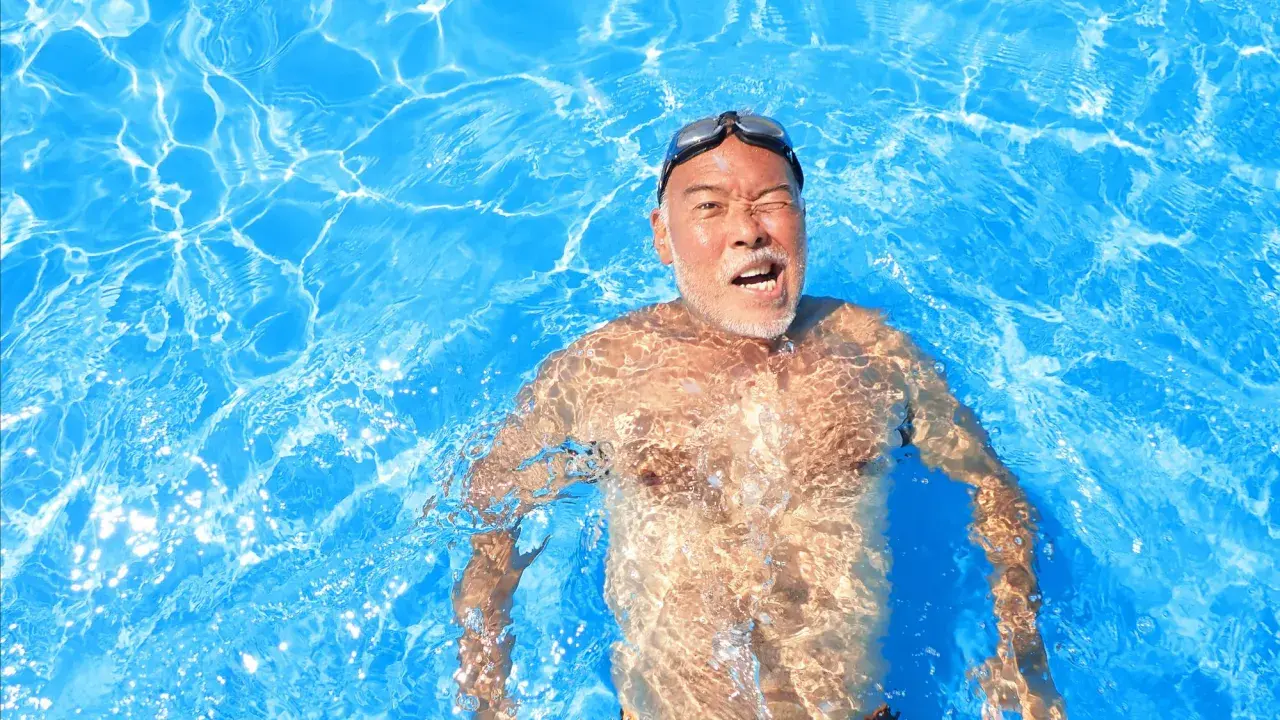
The main pattern behind the bathroom urge in the water
- Water pressure shifts blood toward the chest, and the kidneys respond by shedding fluid and sodium.
- Cooler water usually makes the urge stronger than a warm, indoor pool.
- Urination alone is often normal; pain, blood, fever, or dizziness are not.
- I would start a session hydrated, but I would not chase every urge with a big drink.
- For longer swims, especially in open water, fluid and sodium replacement afterwards matters.
What changes when your body enters the water
In practical terms, immersion diuresis is the body's way of reacting to a sudden shift in blood distribution. Hydrostatic pressure pushes blood away from the legs and abdomen towards the chest, the heart senses that central volume rise, and hormones such as atrial natriuretic peptide begin nudging the kidneys to release more water and sodium. At the same time, antidiuretic hormone activity drops, so the kidneys keep less fluid in reserve.
I usually explain it to swimmers like this: the body thinks it has a little too much fluid in the central circulation, so it opens the tap. That does not mean you have absorbed pool water through your skin. It means your cardiovascular system is reading the immersion environment as a volume change and correcting for it.
- Hydrostatic pressure compresses the body and pushes blood centrally.
- Atrial stretch triggers hormonal signals that increase urine output.
- Lower ADH signalling reduces water retention.
- Sodium loss often follows, especially if you stay in the water for longer.
That physiology is stable, but the size of the response changes with water temperature, depth, and duration, which is why the next question is why some swims feel like a much bigger bladder event than others.
Why swimmers notice it more than they expect
The pool makes the reflex hard to ignore because it combines posture, pressure, and cooling. You are horizontal, your torso is under pressure, and your skin is cooled enough that the usual land-based cues, like sweating and thirst, are much less obvious. I see swimmers mistake that for "sudden" urine production, when in reality the signal has been building for a while.
| Swimming condition | Likely effect | What it means in practice |
|---|---|---|
| Heated indoor pool | Milder cooling stress | The urge may still appear, but it often builds more slowly. |
| Cool pool or open water | Stronger vasoconstriction and central blood shift | Expect the urge to arrive earlier and feel more urgent. |
| Wetsuit or tight race kit | Extra compression around the trunk | Bladder pressure can feel more obvious, especially on longer swims. |
| Long easy session | More time for the reflex to accumulate | A bathroom break before and after becomes part of the plan, not a nuisance. |
In the UK, cooler outdoor sessions can amplify this more than many swimmers expect, especially when the session is mostly easy aerobic work rather than hard interval swimming. That leads to the practical question most people actually need answered: what is normal, and when should you pay attention?
What is normal and what should raise a flag
I draw a fairly simple line here. Needing to pee during or soon after a swim is common. Pain, blood, fever, unusual swelling, or dizziness are not things to shrug off.
| What you notice | Most likely meaning | What I would do |
|---|---|---|
| Urgency soon after getting in the water | Normal central fluid shift | Use the toilet before deck time and accept that the urge can return. |
| Several trips to the loo during a long or cold swim | Typical immersion response | Keep hydrating sensibly and avoid panic drinking. |
| Urine that is pale yellow after the session | Usually a good hydration sign | Maintain the same routine unless training load changes. |
| Burning, pain, blood, fever, flank pain | Possible urinary or kidney issue | Stop treating it as a poolside inconvenience and get medical advice. |
| Headache, confusion, nausea, or marked dizziness after aggressive drinking | Possible overhydration or electrolyte problem | Back off the intake and seek help if symptoms are severe or persistent. |
One useful habit is to look at the full pattern, not just the toilet frequency. If the urine is clear, you feel steady, and the swim was long or cold, the response is usually physiological. If the pattern changes suddenly or comes with other symptoms, the right move is to stop assuming it is "just swimming".
How I would manage hydration around a swim session
For swim health, I prefer simple rules over obsessive tracking. The goal is to start hydrated, stay comfortable in the water, and replace what you lose without flooding the stomach.
Before you get in
A practical target is 400-600 ml of fluid 2-3 hours before the session. If you still feel thirsty closer to deck time, another 200-250 ml can work, provided it sits comfortably. The NHS reminds people that the usual daily baseline is only a baseline, and active swimmers often need more than their normal cup count once training starts.
I would not try to "beat" the bathroom urge by under-drinking all morning. That usually backfires in longer sets, open-water sessions, or cold weather, where the body is already nudging fluid around more aggressively.
During the session
For a short technical swim, you may not need to drink at all. Once a session moves past roughly 60-90 minutes, or it becomes hard and continuous, I like planned sips between sets rather than one big drink at random. A few mouthfuls every 20-30 minutes is often enough for pool work; longer sessions may need more structure, especially if you are also taking in carbs.
If the swim is long enough to require fuel, a drink with sodium and carbohydrate usually makes more sense than plain water alone. That is one of the places where swimmers sometimes get caught out: they keep drinking to quiet the urge, but they do not actually replace the salt and energy the body is using.
After the session
Weighing yourself before and after a hard or long session is still one of the cleanest ways to judge fluid loss. If you are down by 1 kg, replacing about 1.25-1.5 litres over the next few hours is a sensible target. That does not mean chugging it immediately; it means steadily restoring fluid while you eat and recover.
If you finished a cold open-water swim and feel flat rather than thirsty, I would still replace fluid deliberately. Cold often masks the usual thirst cues, so "I do not feel thirsty" is not a reliable green light.
Once the hydration routine is under control, the remaining variable is what makes the response stronger or weaker in the first place.
When the response gets stronger
Some swimmers see a much bigger urine response than others, and the usual reasons are fairly predictable. The response tends to be more noticeable when one or more of these are in play:
- Cold open water, because peripheral vasoconstriction pushes more blood centrally.
- Long immersion, because the hormonal response has more time to build.
- Wetsuits or tight race wear, which add compression around the torso.
- Caffeine, in some swimmers, because it can add a mild diuretic push.
- Diuretic medication or medical conditions, which can change the pattern completely.
This is where I become more cautious. If you take prescribed diuretics, or you have kidney, heart, blood-pressure, or bladder issues, the usual swim-day pattern is not something to self-diagnose around. A sudden change, especially one paired with pain, swelling, shortness of breath, or dizziness, deserves proper medical attention rather than a quick assumption that the water is simply "making you pee".
For most healthy swimmers, though, the response is just a normal piece of aquatic physiology, and the most useful move is to build a routine around it.
The swim-day routine I would actually use
- Drink steadily through the day rather than trying to catch up right before the session.
- Use the toilet before entry, but do not be surprised if the urge returns once you are immersed.
- Expect a stronger response in cool water, long sets, and open-water swims.
- Keep a bottle on deck for longer sessions and use it in small, planned sips.
- Replace losses after the swim with fluid, food, and, when needed, sodium.
- Treat pain, blood, fever, or severe dizziness as a health issue, not a normal pool habit.
That is the simplest way I know to frame the problem: the body is not malfunctioning, it is reacting to immersion. If you understand that response, you stop fighting it blindly, you hydrate with more control, and you get more out of the session without turning every pool visit into a guessing game.