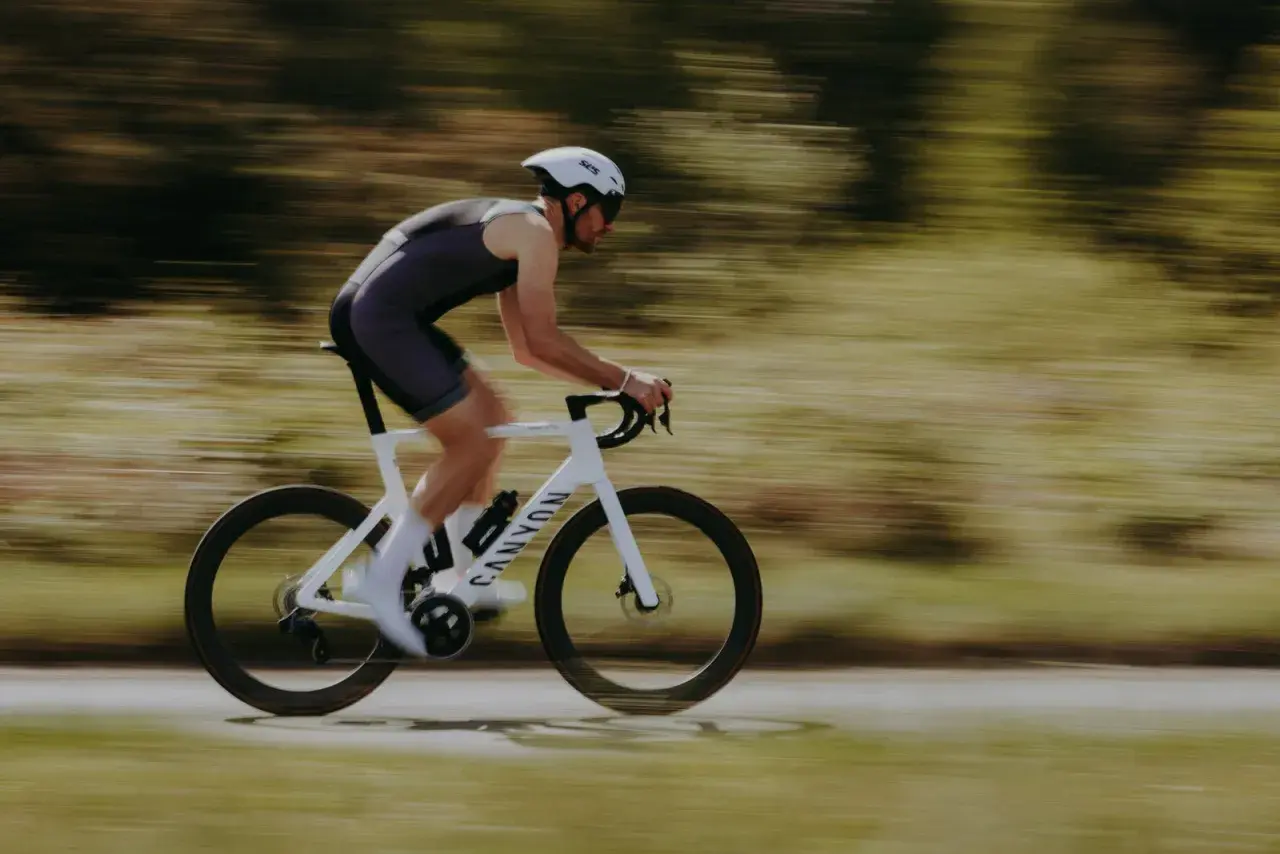
Signing up for your first triathlon can feel like taking on three sports at once, but the challenge becomes manageable when you break it into simple skills. For a beginner triathlon, the real priorities are choosing a sensible distance, building consistent swim-bike-run habits, practicing transitions, and arriving at race day with reliable equipment rather than expensive gear.
A simple path to your first finish
- Start with a sprint of about 750 m swimming, 20 km cycling, and 5 km running.
- Allow 10-12 weeks if you can already swim, cycle, and run comfortably at an easy pace.
- Swim technique and safety matter more than speed, especially in open water.
- Use basic, dependable gear before spending money on specialist equipment.
- Practice transitions so the change from swimming to cycling and cycling to running feels routine.
Choose a first race you can realistically finish
Most new athletes should begin with a sprint-distance event. A common format is 750 meters of swimming, 20 kilometers of cycling, and 5 kilometers of running, although race organizers may adjust those distances slightly. Some American events also offer super-sprint races with a shorter swim, bike, and run, which can be an excellent choice if swimming is your weakest discipline.I would not choose an Olympic-distance race simply because the name sounds more impressive. The standard format doubles the workload to roughly 1.5 km swim, 40 km bike, and 10 km run, and that increase is substantial for someone still learning how to combine three sports. Your first event should leave you proud and curious about the next one, not exhausted for several weeks.
| Race format | Typical distances | Best fit |
|---|---|---|
| Super sprint | 250-500 m swim, 5-12 km bike, 1.5-3 km run | New swimmers or athletes who want the gentlest introduction |
| Sprint | 750 m swim, 20 km bike, 5 km run | Most first-time adult participants |
| Olympic or standard | 1.5 km swim, 40 km bike, 10 km run | Athletes with a stronger endurance base |
| Half distance | 1.9 km swim, 90 km bike, 21.1 km run | Experienced athletes with months of structured preparation |
When comparing races, look beyond distance. A pool swim is usually calmer and easier to control than an open-water start, while a hilly bike course can make a short race harder than a longer flat one. Check the course profile, water conditions, time limits, transition layout, and whether the event requires a wetsuit or specific safety equipment.
As a rough United States estimate, a local sprint entry may cost $75-$200, depending on the organizer, location, and registration date. Add insurance or federation fees, transportation, nutrition, and equipment. A practical first-race budget is often around $250-$800 if you already own a suitable bicycle, but costs can rise quickly if you buy a new bike or premium clothing.
Build a 12-week routine around consistency
You do not need five hard workouts every week. You need enough regular practice to make each discipline familiar while giving your body time to recover. A good starting point is six to eight sessions per week, with some sessions short and easy rather than every workout being a test of fitness.
If you cannot yet swim 400 meters continuously, cycle for about 45 minutes, or run for 20-30 minutes without stopping, spend a few weeks building that base before starting a race-specific plan. Walking during the run is completely acceptable at first. What matters is gradually increasing your ability to keep moving without pain.
| Training phase | Main objective | Typical weekly focus |
|---|---|---|
| Weeks 1-4 | Build routine and technique | 2 swims, 2 bikes, 2 runs, 1-2 rest or strength days |
| Weeks 5-8 | Extend easy endurance | 2 swims, 2 bikes, 2-3 runs, one short transition workout |
| Weeks 9-10 | Practice race-specific demands | One longer bike, one bike-run brick, open-water practice if relevant |
| Weeks 11-12 | Reduce fatigue and rehearse details | Shorter sessions, a few race-pace efforts, more recovery |
A workable beginner week
- Monday: Rest or light mobility.
- Tuesday: Swim technique for 30-45 minutes.
- Wednesday: Easy bike for 45-60 minutes.
- Thursday: Easy run or run-walk for 25-40 minutes.
- Friday: Swim endurance for 30-50 minutes.
- Saturday: Bike for 60-90 minutes followed by a 10-minute easy run.
- Sunday: Easy run, gentle cycling, or full rest depending on fatigue.
The short bike-to-run session is called a brick workout. It teaches your legs to handle the strange, heavy feeling that often appears when you start running after cycling. Ten minutes is enough at the beginning, and there is no reason to turn every brick into a hard effort.
Most of your training should feel conversational. In endurance training, Zone 2 usually means an easy intensity where you can speak in short sentences without gasping. I have seen beginners make faster progress by protecting easy days than by adding ambitious intervals before their joints and tendons are ready.
Make swimming the skill you solve first

Swimming is often the biggest source of anxiety because it combines technique, breathing, crowding, and sometimes cold or unpredictable water. You do not need an elegant competitive stroke, but you do need to swim continuously, breathe comfortably, and remain calm when you lose your rhythm.
For a 750-meter event, aim to swim 800-1,000 meters in training with short rests before race week. Include drills that improve body position, relaxed exhalation, and sighting. Sighting means briefly lifting your eyes forward to check direction, then returning to your normal stroke without stopping.
Pool skills that transfer well
- Long easy repeats: Swim 6 x 100 meters with 20-30 seconds of rest to build control.
- Technique work: Practice side breathing, relaxed exhalation, and a steady kick rather than forcing speed.
- Sighting practice: Every 6-10 strokes, look forward once without lifting your whole head.
- Continuous swims: Finish with 300-600 meters at a calm effort so the distance feels familiar.
If your race uses open water, practice there with a partner, lifeguard, or organized group. Wear a brightly colored swim cap and use a visible tow float where appropriate, but remember that a tow float is not a substitute for supervision or a properly marked swimming area.
Open-water confidence comes from repetition, not from forcing yourself into difficult conditions. Start close to shore, learn how to stop and float, and practice swimming in a straight line. If the water is cold, rough, crowded, or poorly supervised, choose the pool instead and follow the race organizer’s safety guidance.
A wetsuit can improve buoyancy and warmth, but it is not mandatory for every event and may be prohibited in warmer water. If you buy or rent one, practice in it before race day. A suit that feels restrictive around the neck can make breathing harder, while a poor fit can cause chafing and panic.
Buy dependable gear before chasing upgrades
Your first race does not require a carbon bike, deep-section wheels, or a collection of specialist gadgets. The essential list is short: a functioning bicycle, a certified helmet, swimwear, goggles, running shoes, and clothing that will not rub when wet. Comfort and reliability have more value than aerodynamic claims at beginner level.
| Item | Practical beginner choice | Common mistake |
|---|---|---|
| Bicycle | Road, hybrid, or well-maintained commuter bike suited to the course | Buying an expensive bike before learning the sport |
| Helmet | Properly fitted model that meets current safety standards | Racing with an old, damaged, or loose helmet |
| Goggles | Comfortable pair tested in training, plus a spare if possible | Using brand-new goggles on race morning |
| Clothing | Tri shorts or familiar athletic clothing that dries quickly | Wearing untested cotton or bulky layers |
| Running shoes | Comfortable shoes already used for several easy runs | Changing shoes and socks on race day |
Have the bicycle inspected before the event, especially the brakes, tires, chain, and shifting. A basic tune-up may cost roughly $75-$150 in many American bike shops, which is a much better investment than discovering a mechanical problem during the race.
Nutrition can stay simple for a sprint. Many athletes need water and one small carbohydrate source, such as a gel or sports drink, especially if the event lasts more than 90 minutes. Test anything you plan to consume during training because a product that works for another athlete may upset your stomach.
I would also leave the watch at home if it makes you anxious. A simple timer can help with training, but it cannot replace awareness of traffic, heat, other swimmers, or how your body feels. Technology is useful when it supports good decisions, not when it pressures you to ignore them.
Practice the race before race morning
Transitions are the short periods between disciplines, but they can feel chaotic when you have never rehearsed them. In T1, you move from swim to bike. In T2, you move from bike to run. The goal is not to perform a professional transition; it is to remove unnecessary decisions.
Lay out your helmet, glasses, shoes, race number, and towel in the order you will use them. Practice putting on the helmet before touching the bicycle, and learn the event’s rules about running or riding in the transition area. In many races, you must keep your helmet securely fastened whenever you are handling the bike.
Read Also: Triathlon Clothing UK - Choose Your Perfect Race Kit
Three useful rehearsals
- Dry transition: Set up your equipment at home and move through the sequence twice without rushing.
- Bike-run brick: Cycle for 45-60 minutes, then run easily for 10-15 minutes.
- Race simulation: A few weeks before the event, swim, change, cycle, and run at controlled effort using the exact clothing and nutrition you expect to use.
On race day, begin the swim more slowly than your excitement suggests. Stay to the side if you want fewer contacts, and let faster swimmers pass rather than fighting for every position. After the swim, take a few deep breaths, drink if needed, and start the bike at a pace you could maintain for the whole distance.
The bike should feel controlled rather than heroic. On the run, use a run-walk strategy from the beginning if that helps you stay steady. A planned pattern such as four minutes running and one minute walking is often more effective than running too hard for the first kilometer and struggling afterward.
Check the athlete guide for packet pickup, transition opening and closing times, parking, water temperature, course cutoffs, and required identification. Race procedures differ, and the organizer’s instructions take priority over any general advice. Arrive early enough to set up without turning the first morning of your triathlon into a sprint of its own.
Give yourself a finish-line goal that matters
Your first result should be measured by execution, not by comparison with experienced athletes. A strong debut might mean completing the swim calmly, keeping the bike effort under control, running the final kilometer with confidence, or making every transition exactly as practiced.
Keep a short record after each workout. Note the session, duration, energy level, and any pain or unusual fatigue. Persistent pain, dizziness, chest discomfort, or unexplained shortness of breath is a reason to stop training and seek medical advice, not a challenge to push through.
Choose the smallest race that genuinely excites you, train the swim with patience, and make your equipment boringly dependable. Once those pieces are in place, the sport stops looking like three unrelated events and starts feeling like one manageable journey from the water to the finish line.