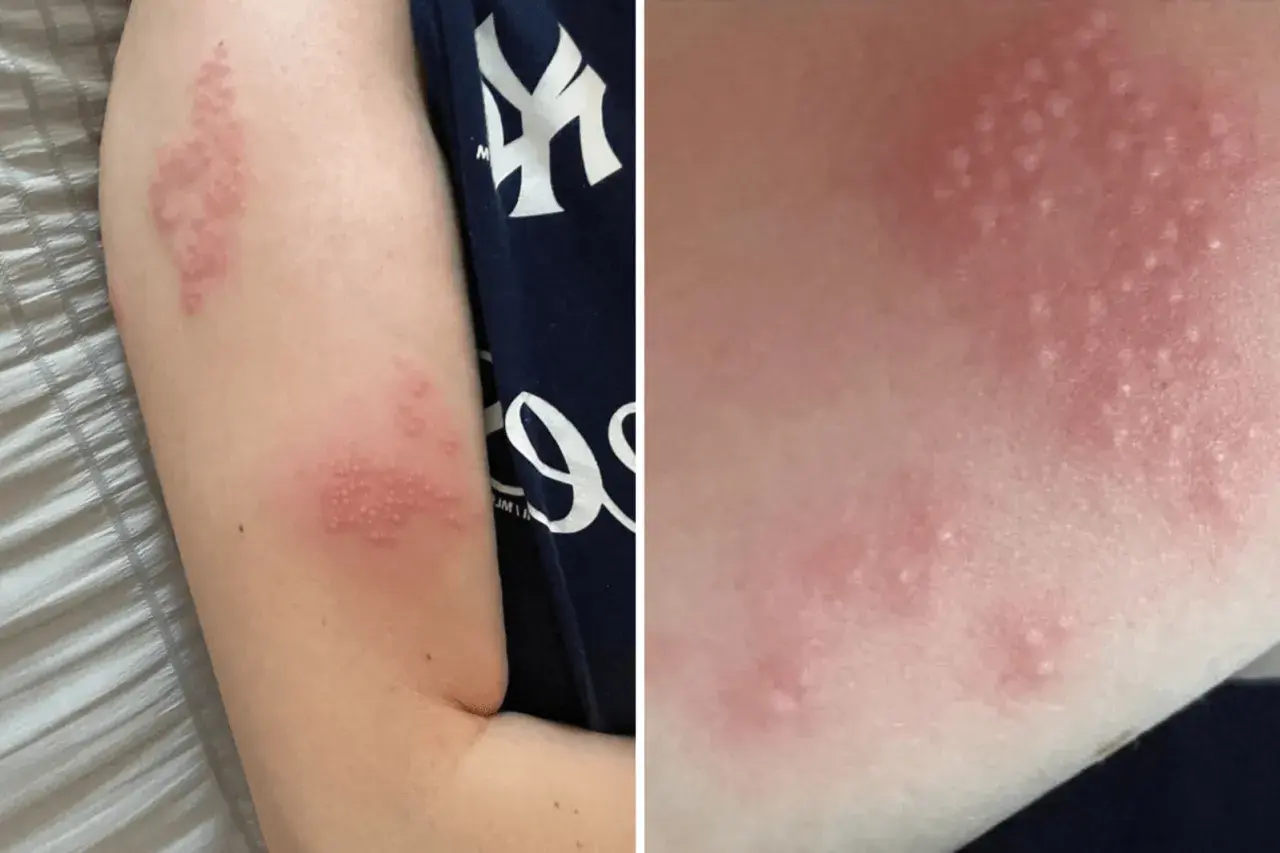
What matters most before you get in the water
- Do not swim if the rash is blistering, oozing, or cannot stay covered.
- In UK guidance, the pool is off limits until the rash has dried out; contagious risk ends when the last blister has dried and scabbed over.
- Most blisters start to scab in about 7 to 10 days, but the rash can take 2 to 4 weeks to clear completely.
- Do not rely on chlorine to solve the problem; direct contact with rash fluid is the issue.
- If the rash is near the eye, you feel feverish, or you are immunocompromised, get medical advice first.
Why an active rash and swimming do not mix
I would treat shingles as a stay-out-of-the-pool problem until the skin has settled. CDC notes that the virus can spread by direct contact with fluid from the blisters, and a pool visit adds exactly the kind of friction and close contact that make that harder to manage. Changing rooms, towels, benches, hot tubs, and narrow poolside spaces all increase the chances of rubbing, leakage, or accidental exposure.
The other issue is comfort. Open lesions often sting when they get wet, and a swimsuit seam across the rash can make things worse. My practical read is simple: chlorinated water is not a loophole. If the rash is still active, swimming gives you very little upside and a very real chance of irritating the skin or putting someone else at risk.
- Water can soften blisters and make dressings loosen.
- Heat and movement can aggravate pain along the affected nerve line.
- Shared towels and close contact matter more than most swimmers realise.
Once you understand that, the real question becomes timing, not theory, so the next step is checking when the rash is actually ready for the pool again.

When the pool is back on the table
In the UK, the clearest line I would use is the one NHS inform gives for shingles generally: stay out if the rash is weeping and cannot be covered, and return only once it has dried out. That matches the practical rule most clinicians use as well: no open, wet, or newly forming blisters.
There is also a timing clue worth knowing. The American Academy of Dermatology says the blister-like rash usually starts to scab in about 7 to 10 days, and it often takes 2 to 4 weeks for the rash to clear completely. That does not mean every swimmer is ready on day 10, but it gives you a realistic window for recovery.
| Rash stage | My pool verdict | Why |
|---|---|---|
| Open blisters or oozing spots | Do not swim | This is the highest-risk stage for spread and the easiest time to irritate the skin. |
| Covered but still wet or weeping | Still no | A dressing can shift, soak through, or rub off in water. |
| Dry, crusted, and no new blisters | Usually reasonable to return | This is the point where contagious risk is much lower and the skin is healing. |
| Rash on the face, near the eye, or with fever or severe pain | Speak to a GP first | These cases deserve more caution than a routine lane session. |
If you want a conservative rule, use this one: if you would hesitate to leave the rash uncovered around other people, you should not be in the pool yet. That standard is plain, but it keeps you honest.
How to protect other swimmers while you recover
Shingles may not spread the way a cold does, but it still deserves respect. Until the rash is fully dry, I would avoid shared water, shared towels, and shared surfaces as much as possible. That is especially important in indoor pools, where people are close together and gear tends to move from one surface to another without much thought.
- Do not share towels, flannels, or swim gear.
- Wear loose clothing that does not rub the rash.
- Keep the area clean and dry, as NHS inform advises.
- Avoid contact with pregnant people, newborns, and anyone with a weakened immune system until the rash has scabbed over.
- Skip the pool, hot tub, and communal shower until the skin has settled.
If the rash can be covered with a clean, non-stick dressing in everyday life, that helps with day-to-day isolation, but I would still not treat it as permission to swim. Pool sessions and waterproof dressings rarely behave as neatly as people hope.
Safer ways to stay active until the rash settles
Most swimmers feel flat when they have to stop training, so I like to give people a replacement plan rather than a blank no. If you are otherwise well, light movement can help you keep some rhythm without aggravating the rash. The goal is not fitness heroics; it is staying mobile while the skin heals.
- Take short walks if movement does not worsen pain.
- Do gentle mobility work for the neck, hips, and shoulders.
- Use rest, hydration, and regular meals to support recovery.
- Try cool compresses or a cool damp cloth for comfort, which dermatologists commonly recommend.
- Keep training decisions conservative if the rash is on the trunk, shoulder, or ribcage, because swimsuit friction tends to hit those areas hardest.
If you were midway through a training block, I would rather you miss a few sessions than turn a short infection into a longer setback. That trade-off is usually obvious once you look at the skin honestly rather than at the calendar.
When I would stop and ask a GP first
There are cases where the answer is not just "wait a bit longer." If the rash is near your eye, if you have severe pain, if you feel generally unwell, or if you are immunocompromised, I would ask a clinician before deciding anything about the pool. Early treatment matters too: the American Academy of Dermatology says seeing a doctor within 72 hours of the rash starting can reduce symptoms and shorten the illness.
I would also be cautious if you are dealing with repeated flares of skin infection, if the rash looks infected, or if the pain is not easing as the blisters dry. Those are signs that the situation is moving away from a simple "wait and return" pattern.
- Get advice fast if the rash involves the eye, ear, or face.
- Speak up if you develop fever, pus, or spreading redness.
- Be extra careful if you are pregnant, immunocompromised, or caring for someone who is.
When shingles is uncomplicated and already drying, the decision becomes easier; when it is not, a short call to a GP is the safer move.
What I would check before the first lap back
Before I go back into the pool, I want three things to be true: the last blister is dry and scabbed over, the rash can be covered without rubbing, and I feel well enough for exercise. If any one of those is missing, I wait. That is the cleanest way to avoid both a setback for me and unnecessary risk for other swimmers.
- Dry and scabbed, not wet or oozing.
- No new blisters appearing.
- No fever or significant fatigue.
- No painful friction points from the swimsuit, goggles strap, or pool bag strap.
- Short, easy session first, not a hard workout.
