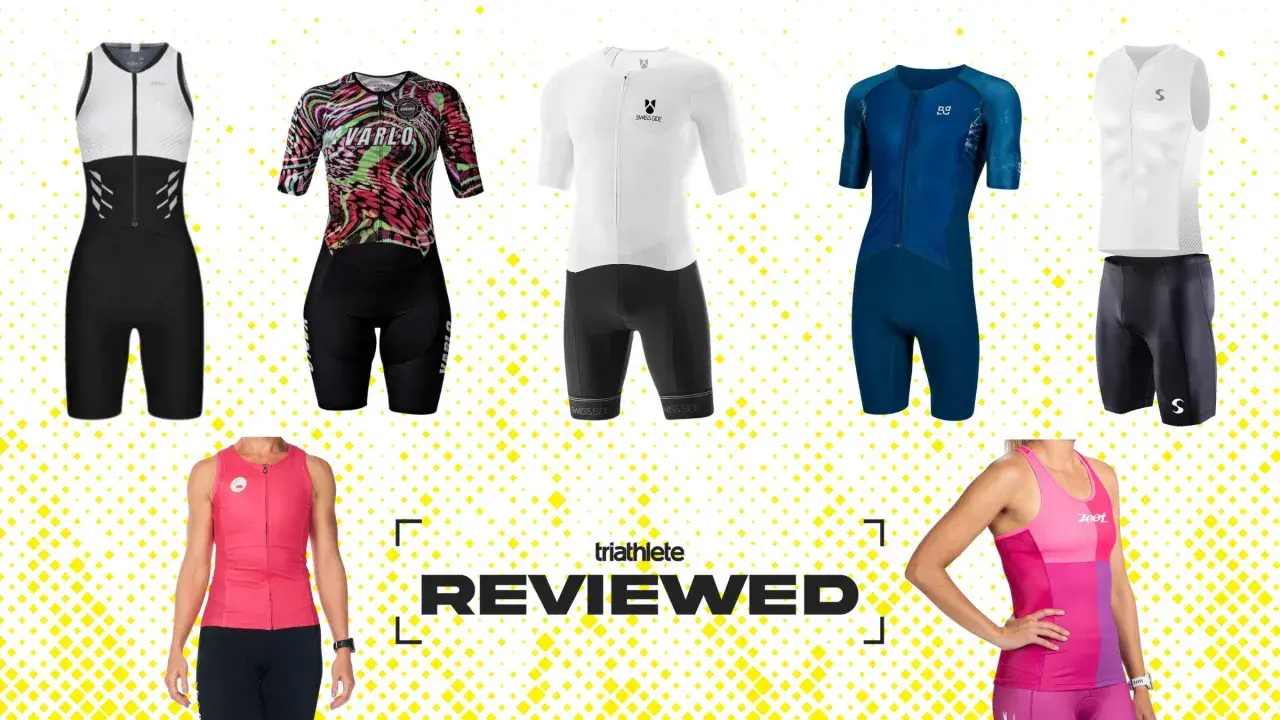
The smartest race-day kit is the one you barely notice
- A tri-suit is the core garment; everything else supports it.
- Snug fit matters more than a long feature list.
- For British races, check wetsuit rules and water conditions before you build your kit.
- Short races reward simplicity; longer races justify more storage, more comfort, and better sun protection.
- Mid-range kit usually gives the best value unless you race often enough to justify premium aero features.
What triathlon clothing needs to do on race day
I think of triathlon kit as a system rather than a single purchase. The central piece is the tri-suit, which is designed to be worn across all three disciplines, usually under the wetsuit. That setup matters because it removes a transition step, reduces the chance of friction, and keeps you from making a bad decision while you are already tired.
The garment has to solve four problems at once. It needs to feel sensible in the swim, dry quickly on the bike, stay comfortable when you start running, and avoid creating drag or rubbing spots that only appear after 30 or 40 minutes of racing.
- In the swim, the suit should sit close to the body and avoid loose fabric.
- On the bike, the pad should be thin enough to ride well without feeling bulky.
- On the run, seams, waistband pressure, and moisture retention become the real test.
- Between disciplines, the best kit makes transitions simple instead of clever.
Once that job description is clear, the next question is which type of suit fits the race you actually plan to do.
How to choose a suit by distance and race format
The most useful way to buy triathlon clothing is to match it to distance, weather, and how much time you want to spend in each leg. A suit that feels perfect for a sprint can feel under-specced on a half-distance race, while a premium long-course suit may be unnecessary for a short club event.
| Race format | What I would prioritise | Why it works | Common mistake |
|---|---|---|---|
| Sprint and super-sprint | Sleeveless or light short-sleeve suit, thin chamois, minimal storage | Fast transitions and low bulk matter more than extra features | Buying a heavy suit built for long-course comfort |
| Olympic distance | Short-sleeve or sleeveless suit with a balanced pad and a pocket or two | Enough comfort for a stronger bike leg without slowing the run | Choosing fit based only on standing comfort in the shop |
| Middle distance | Short-sleeve suit, better ventilation, more structured fit, sensible storage | Comfort starts to matter more because you spend longer in the kit | Ignoring heat management and back-pocket placement |
| Long-course and Ironman-style events | Premium suit, strong moisture management, reliable pockets, excellent seam finish | Small comfort gains matter over many hours | Saving money on the suit and spending it later on comfort fixes |
| Pool swim or indoor start | The simplest race-ready suit you can afford | There is less need to think about wetsuit compatibility | Overbuying aero features you will never use |
My rule is simple: buy for the race you repeat, not the race you imagine on a perfect day. That usually keeps the decision honest, which is the next thing you need once you start thinking about transitions.

How to get through the swim-to-bike transition cleanly
This is where clothing either saves time or quietly steals it. British Triathlon notes that a tri suit is designed for all three elements and is usually worn under the wetsuit, which is exactly how I would approach most open-water races in the UK. The point is not to dress for each leg separately; the point is to make the change between legs almost invisible.
- Wear the tri-suit before the start so you are not changing under pressure.
- If the race allows a wetsuit, wear it over the suit rather than underthinking the layering.
- Use a small amount of anti-chafe product on hot spots such as the neck, underarms, and inner thighs.
- Keep your transition setup simple so you are not fighting extra fabric, extra zips, or extra steps.
- Practice the same sequence at least once before race day, especially if you are new to open water.
For most athletes, the biggest gain comes from removing friction, not from adding more gear. Once you are moving cleanly through transition, the details of fabrics and construction start to matter much more.
The materials and details worth paying for
REI’s expert advice is blunt on the fundamentals: tri clothing should fit snugly, and the pad is thinner than a standard cycling chamois. That is exactly right. A tri-suit is not supposed to feel like a padded road-biking outfit, because the same garment still has to swim and run well.
Fabric that dries quickly
Look for fabrics that shed water fast and do not stay heavy once you leave the swim. A good fabric blend should stretch enough for breathing and running posture, yet hold its shape when wet. If a suit feels perfect dry but soggy after ten minutes, it is the wrong suit.
A pad that helps without getting in the way
The chamois should be thin, supportive, and placed for a triathlon riding position rather than an upright leisure ride. The goal is comfort on the bike without creating a lump that annoys you on the run. If you are used to regular cycling shorts, this is the biggest adjustment.Read Also: Julie Moss Ironman - What Her Crawl Teaches You About Pacing
Seams, sleeves, and pockets
Flatlock or bonded seams reduce rubbing by keeping the seam line low-profile against the skin. Sleeves can be a real advantage in the UK because they help with sun protection and often improve aerodynamics, but sleeveless suits can feel cooler in very warm weather. Pockets should be useful rather than excessive; one or two well-placed rear pockets usually beat a flapping mess of storage.I would also pay attention to the zipper. A full-length zip makes cooling easier and can be useful in humid conditions, while a shorter zip sometimes feels cleaner and lighter. The best choice depends on how hard you race and how sensitive you are to heat. That leads naturally to the question most people ask next: how much should good kit cost?
What I would spend in the UK
For a UK buyer in 2026, I would divide the tri-suit market into four practical bands. The prices below are not luxury-store fantasy numbers; they are the range I would expect after looking at current retail patterns and what serious athletes actually buy.
| Price band | What you usually get | Best for |
|---|---|---|
| Under £80 | Basic construction, limited aero shaping, acceptable comfort for one-off races | First sprint events or very occasional racing |
| £80 to £150 | Better fit, quicker drying fabric, usable chamois, decent value | Most beginners and club athletes |
| £150 to £250 | Stronger seams, better ventilation, improved pockets, more polished finish | Athletes racing several times a season |
| £250 to £350+ | Premium aero fabrics, race-optimised panels, refined comfort over long distances | Frequent racers and anyone chasing marginal gains |
If you are choosing between a cheap suit and a good mid-range suit, I usually push people toward the mid-range option. It is the sweet spot where fit, comfort, and durability tend to line up. Two smaller pieces, like a tri top and tri shorts, can also make sense if you need separate sizing for top and bottom or want more flexibility later.
The smart next step is not to buy the most expensive option. It is to avoid the mistakes that make good kit feel bad.
The mistakes that cost comfort and time
Most race-day clothing problems are predictable. They come from buying for the wrong sport, the wrong distance, or the wrong fantasy version of yourself.
- Using regular cycling shorts instead of tri shorts. The pad is too thick, and the fabric usually stays wet longer than you want.
- Buying a suit that is too loose. Baggy fabric catches wind, creates movement, and eventually rubs.
- Ignoring shoulder mobility. A suit can look fine standing still and still feel awful once you start swimming hard.
- Wearing cotton or casual underwear. It holds moisture, adds friction, and solves nothing.
- Testing the suit only once. A short indoor try-on does not tell you how it behaves when damp, sweaty, and tired.
- Overloading the pockets. Pockets are useful; clutter is not.
The biggest error I see is people choosing clothing that looks fast instead of clothing that behaves well when wet, hot, and uncomfortable. Once you stop making that mistake, the final decision becomes much easier.
The kit combinations that usually work best in British races
If I were helping a swimmer, cyclist, or first-time triathlete buy for the UK season, I would keep the combinations simple. For a first sprint or Olympic race, I would start with a snug tri-suit, a wetsuit if the organiser allows and conditions call for it, one clear pair of goggles, one tinted pair for bright days, and a race belt.
For mixed-weather events, I would lean toward a short-sleeve suit because it gives you a little more sun protection and usually feels more complete on the bike. For longer races, I would pay extra for better pocket placement, better seam finishing, and a pad that remains comfortable after hours rather than minutes.
- First race setup: simple suit, minimal accessories, no experimental layers.
- Club-racing setup: better fit, stronger zipper, useful pockets, and a suit you have already tested in open water.
- Long-course setup: premium comfort, more sun protection, and kit chosen for hours of use rather than a single fast lap.
In practice, the best triathlon clothing is the kit that lets you focus on pacing, nutrition, and the race itself. If I were buying today, I would start with fit, then check swim comfort, then decide whether sleeves, storage, and sun protection justify the extra spend. Everything else is secondary.