The shortest useful way to compare them
- Triathlon is the sport; Ironman is one specific long-distance race format within it.
- Most triathlons are much shorter than a full Ironman, with sprint and Olympic-distance races being the most common entry points.
- A full Ironman is 3.8 km swim, 180 km bike, and 42.2 km run, or 140.6 miles total.
- The biggest jump is not just distance; it is pacing, fueling, and staying composed for many hours.
- For most beginners, a shorter triathlon is the smarter first race. Ironman makes sense later, once the basics are stable.
What Ironman actually is inside triathlon
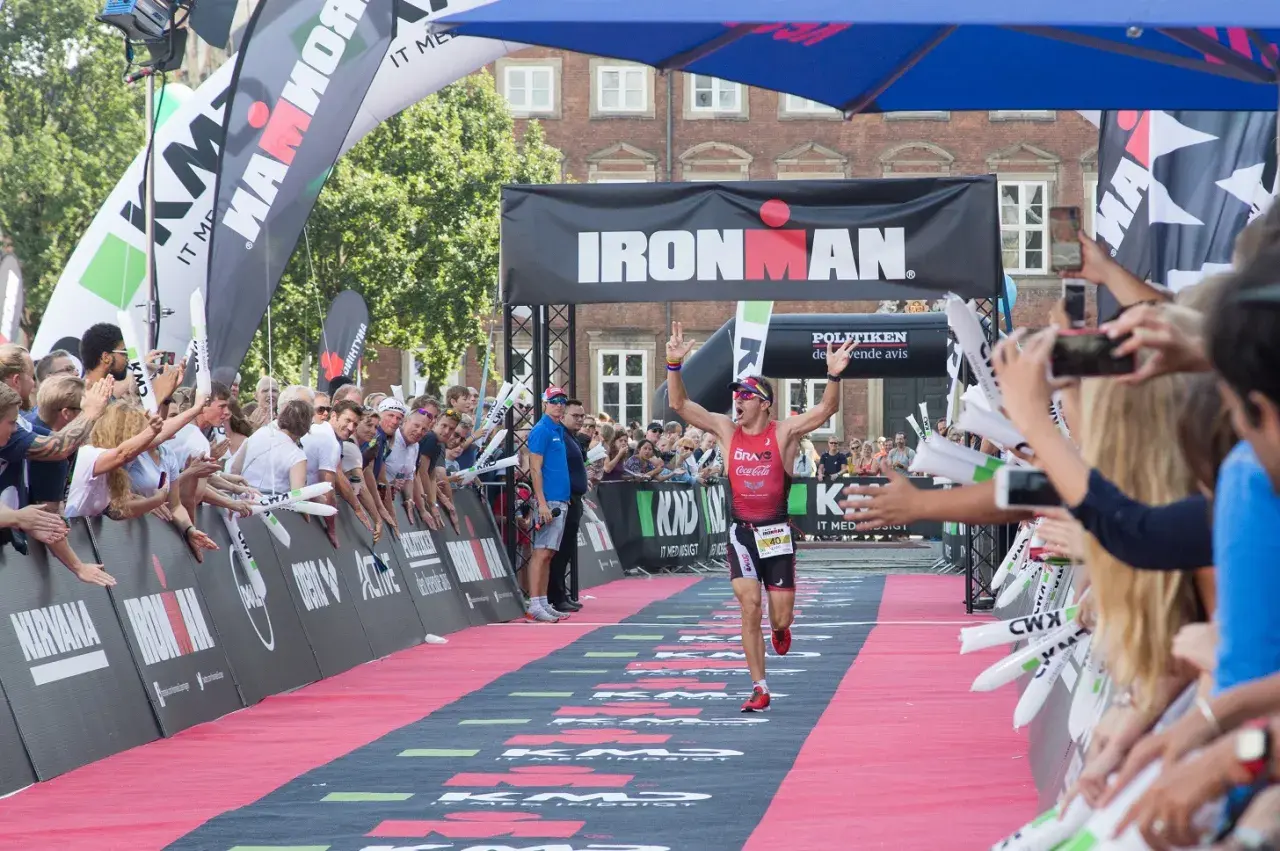
When I compare these two, I start with one correction: Ironman is a type of triathlon, not a competing sport. World Triathlon’s common categories run from sprint to long-distance, and IRONMAN sits at the far end of that spectrum with a fixed full-distance format of 3.8 km in the swim, 180 km on the bike, and 42.2 km on the run.
That matters because many athletes say they want to “do a triathlon” when they really mean a sprint, Olympic, or 70.3 race. Those events still demand real preparation, but they are a different project from a full Ironman. Once you see that hierarchy, the comparison becomes much clearer and much more useful.
The next question is obvious: what does that distance gap actually do to race day?

How the distance gap changes the race day
Distance is only part of the story. The table below shows why a sprint race feels like a different game from a full-distance event.
| Race format | Swim | Bike | Run | What it tends to reward |
|---|---|---|---|---|
| Sprint | 750 m | 20 km | 5 km | Speed, sharp transitions, and confidence under pressure |
| Standard / Olympic | 1.5 km | 40 km | 10 km | Balanced fitness and steady pacing |
| IRONMAN 70.3 | 1.9 km | 90 km | 21.1 km | Endurance, pacing discipline, and fueling |
| Full Ironman | 3.8 km | 180 km | 42.2 km | Long-range control, nutrition, and patience |
For swimmers, there is another important point: the swim is the shortest leg on paper, but it often sets the tone for the entire day. If the first 10 minutes of the race feel chaotic, the rest of the event can become harder than it needs to be.
From there, the swim and transition details matter more than the headline numbers.
Why the swim and transitions matter more than people think
I spend a lot of time on this part because it is where many athletes misread the comparison. A strong pool swimmer can still struggle in open water, especially in a crowded start, cold water, or choppy conditions. That is true in any triathlon, but it becomes more important in an Ironman because you need to settle your breathing, conserve energy, and keep your heart rate under control for hours afterward.
In practical terms, I would focus on three things:
- Open-water comfort so the start feels controlled instead of frantic.
- Sighting and pacing so you do not add extra distance or effort by drifting off course.
- Race-specific swim sets so your pool fitness translates into steady effort under stress.
A wetsuit can help with buoyancy and warmth when rules and water temperature allow it, but it is not a substitute for calm breathing and efficient body position. The same goes for transitions. In a sprint, T1 and T2 can swing the result more than people expect; in a full Ironman, the bigger goal is to stay organized, keep moving, and avoid small panic decisions.
That leads straight to the real planning question: how much training does each choice actually ask of you?
What the training load really looks like
If I strip away the marketing, the training difference is the part most athletes underestimate. A sprint or Olympic-distance race can fit around a busy life with a manageable weekly rhythm. A half-distance race asks for more consistent volume and longer weekend sessions. A full Ironman usually turns training into a major calendar commitment, not a casual side project.
As a broad coaching reality, many age-group plans land around 6 to 8 hours a week for a sprint build, 8 to 12 for Olympic-distance, 10 to 14 for a 70.3, and 12 to 18+ for a full Ironman, depending on your background and goals. The exact number matters less than the shape of the week: one long bike, one long run, regular swims, and at least one brick session, which is simply a back-to-back bike-and-run workout that teaches your legs to change gears under fatigue.
The mistake I see most often is athletes training as if more volume automatically fixes everything. It does not. A better bike, better pacing, and better fueling can matter more than another exhausted run. If your schedule can only support a few focused sessions a week, a shorter triathlon will usually give you a better experience and a better race result.
And once that time commitment is clear, the budget becomes impossible to ignore.
What the budget looks like in the United States
In the U.S., the race fee is only part of the bill. Local sprint and Olympic races are usually the least expensive way into the sport, while branded long-course events cost much more and often require travel, lodging, and more equipment wear. A full Ironman is rarely just a race entry; it is a small endurance project with its own logistics.
| Race type | Typical entry fee | What usually adds extra cost |
|---|---|---|
| Sprint | $100-$250 | Basic gear, local travel, nutrition |
| Olympic / standard | $150-$300 | Race-day travel, helmet and shoe wear, fueling |
| IRONMAN 70.3 | $300-$500 | Hotel nights, bike tune-up, wetsuit or apparel upgrades |
| Full Ironman | $700-$1,000+ | Travel, lodging, bike service, nutrition, and recovery costs |
Those are rough ranges, but they reflect the real pattern: the longer the event, the more the hidden costs climb. A bike fit, a wetsuit, proper nutrition, and even post-race recovery can easily add more to the total than people first expect. In many cases, the budget is the deciding factor long before fitness is.
Once those practical limits are clear, choosing the right race gets much easier.
How I would choose the right race without overshooting your current fitness
If I were starting from scratch, I would choose the shortest race that still forces me to improve. A sprint is the best first step if you want to learn the sport, get comfortable with transitions, and see how your body handles race day without sacrificing months of life to training. An Olympic-distance event is better if you want a more balanced test and already have a decent base in all three disciplines.
I would look at a 70.3 only if I already enjoy longer training blocks and can handle the bike-and-run workload without breaking down. A full Ironman should be a deliberate choice, not a status symbol. It makes sense when you can train consistently, recover well, and stay disciplined with pacing and fueling for a very long day.
My simplest rule is this: choose the race that lets you finish strong, not the one that only sounds impressive on paper. If you respect the swim, train the bike honestly, and practice fueling before race day, the comparison stops being abstract and turns into a realistic plan.
