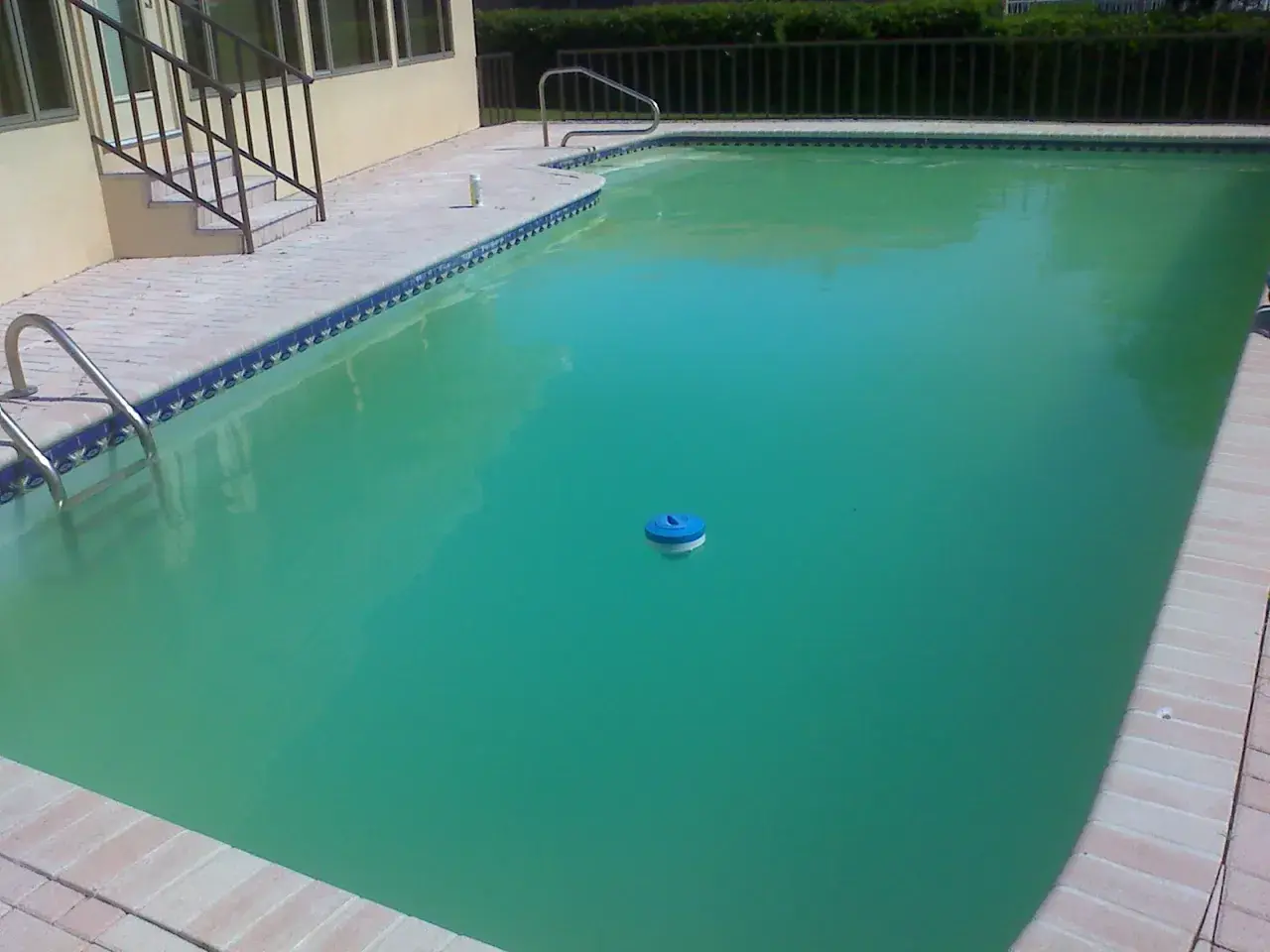
The water may look only slightly hazy, but reduced clarity changes the safety equation in a pool. I explain when cloudy water signals a sanitation problem, why poor visibility increases drowning risk, how to test the water, and what to do before anyone gets back in.
Cloudy pool water is a reason to pause swimming
- Do not swim if you cannot clearly see the main drain or the bottom of the deep end.
- Cloudiness may indicate low chlorine, incorrect pH, algae, debris, or poor filtration.
- For most pools, aim for a pH of 7.0 to 7.8 and follow the product label for chlorine levels.
- Children need extra caution because cloudy water makes it harder to spot a struggling swimmer.
- Swimming should resume only when the water is clear, circulation is working, and test results are within the recommended range.
Is it safe to swim in a cloudy pool
Usually, no. I would keep swimmers out until the cause is identified and the water is clear enough to see the pool floor and drain. Cloudiness does not prove that the water contains harmful germs, but it removes an important safety check and can appear alongside poor disinfection.
The CDC advises avoiding unusually cloudy water and checking that the drain is visible before entering a pool. That advice matters for two separate reasons. Clear water helps a lifeguard or supervising adult see a person in trouble, while proper chlorine and pH help control germs that can cause illness.
Even a strong swimmer should not treat murky water as a minor cosmetic issue. Visibility can deteriorate quickly, especially after heavy use, a storm, equipment failure, or an accidental fecal release. Until the pool passes both a visibility check and a water chemistry check, postponing a workout is the sensible choice.
What makes pool water cloudy
Cloudy water is a symptom, not a diagnosis. The right response depends on what is suspended in the water or preventing the filtration and sanitation system from working properly.
Low chlorine or an incorrect pH
Chlorine is less effective when the water chemistry is out of balance. The CDC recommends keeping pool pH between 7.0 and 7.8, with chlorine levels maintained according to the product instructions and local requirements. If pH rises too high, chlorine loses disinfecting power; if it falls too low, swimmers may experience irritation and equipment can corrode.
Heavy swimmer use can consume chlorine through sweat, dirt, urine, and other organic material. A pool may therefore turn hazy after a busy weekend even when it looked perfect the previous day. A strong chlorine smell is not proof that there is too much chlorine. It can indicate chloramines, compounds formed when chlorine reacts with contaminants.
Dust, pollen, and fine debris
Wind can carry dust, pollen, leaves, and soil into an outdoor pool. These particles scatter light and create a dull, gray appearance, particularly when the pump has not run long enough or the filter is dirty.
This is one of the less alarming causes, but it still deserves attention. Fine debris can increase chlorine demand and provide material that makes the water harder to sanitize. I prefer to remove visible debris, check the filter, and test the water before assuming the haze is harmless.
Algae and early contamination
Green, yellow, or dull-looking water may point to algae growth. Algae can appear when sanitizer levels fall, circulation is poor, or the pool receives prolonged sunlight and heat. A slimy pool floor or green film on walls makes swimming an especially poor idea.
Cloudiness can also follow a contamination event, such as diarrhea in the pool, although contaminated water can sometimes look clear. If there has been a fecal incident, chemical spill, sewage intrusion, or unexplained discoloration, close the pool and follow local health guidance rather than relying on appearance alone.
Read Also: How Cold Is Too Cold to Swim? Your Guide to Safe Water Temps
Filter or circulation problems
A clogged filter, weak pump, blocked skimmer, incorrect valve setting, or insufficient circulation can leave particles suspended in the water. High alkalinity or calcium imbalance may also create a milky appearance or scale.
Adding more chlorine without fixing circulation often produces disappointing results. The chemical may be present, yet the water is not moving through the filter or disinfectant is not distributed evenly. In my experience, equipment checks are just as important as chemical adjustments.

How to check the pool before anyone swims
Start with a simple visual test. Stand at the pool’s edge and confirm that you can see the main drain or another clearly defined feature at the deepest point. If the drain disappears into the haze, the pool is not ready, regardless of how inviting the surface looks.
For a home pool, use a reliable test kit rather than guessing from smell or color. Test free chlorine and pH at least twice a day during normal use, and more often when many people are swimming. Test strips are convenient, but a DPD drop test is generally more precise when you need a dependable reading.
- Check free chlorine against the label instructions and local pool code.
- Keep pH between 7.0 and 7.8.
- Inspect the pump, skimmer basket, return jets, and filter pressure.
- Look for algae, foam, unusual odor, or debris on the floor.
- Confirm that drain covers are secure and undamaged.
What to do when the water turns cloudy
Keep everyone out of the pool and remove leaves or larger debris with a net. Then check circulation and filtration before adjusting chemicals. Follow the manufacturer’s directions for backwashing, cartridge cleaning, or filter replacement because the correct procedure depends on the system.
Test the water and make gradual adjustments. Do not pour several products into the pool at once, mix chemicals together, or add chemicals while people are swimming. Pool chemicals can cause serious injuries when handled carelessly, so use the protective equipment and waiting period stated on the label.
If low sanitizer or algae is suspected, the manufacturer may recommend a shock treatment. That does not mean the pool is immediately safe afterward. The water still needs time to circulate, the sanitizer level must return to the permitted range, and the pool must become visibly clear again.
Call a qualified pool professional when the water remains cloudy after proper filtration, the chemistry readings seem inconsistent, the pool is green or brown, or you suspect a broken filter, pipe, or drain. Persistent cloudiness is often cheaper to solve correctly than to treat repeatedly with unnecessary chemicals.
Why cloudy water is especially dangerous for children
Cloudy water creates a visibility problem for adults, lifeguards, and swimmers who may need to locate a submerged person. Drowning can be silent and can happen within seconds, so a supervising adult should never rely on the idea that someone else will notice trouble.
Children should have constant, close supervision near any pool, even when the water is perfectly clear. If the water is cloudy, I would remove the extra uncertainty altogether. Swimming lessons, flotation devices, and a lifeguard are useful layers of protection, but none replaces clear water and active supervision.
Do not dive into water when its depth or condition is difficult to judge. Murkiness can hide toys, damaged drain covers, or a swimmer below the surface. It also makes it harder to assess whether a pool is deep enough for a particular dive.
When clear water is not enough
A pool can look sparkling and still be poorly sanitized. Clarity tells you about visibility, not whether chlorine, pH, or filtration are correct. Before swimming, I treat clear water as one requirement, not the entire safety test.
Stay out if you have diarrhea, and keep others out after a contamination incident until the pool has been treated according to public health or manufacturer guidance. Avoid swallowing the water, shower before swimming, and take children for regular bathroom breaks. These small habits reduce the amount of contamination the disinfectant has to handle.
For outdoor water such as lakes or rivers, cloudy or discolored water may signal runoff, sewage, algae, or other hazards. Check local advisories after heavy rain and avoid water with scum, foam, unusual odor, or warning signs. Pool clarity rules do not make natural water safe by themselves.
The practical rule I use before getting in
If I cannot see the deepest drain clearly, I do not swim. I first remove debris, check circulation, test chlorine and pH, and wait until the water has returned to a clear appearance and the readings meet the applicable recommendations.
That pause protects more than comfort. It preserves visibility for rescue, reduces exposure to poorly treated water, and prevents a minor maintenance issue from becoming a health or safety emergency. A missed swim is inconvenient; trying to supervise or rescue someone through cloudy water is far more serious.