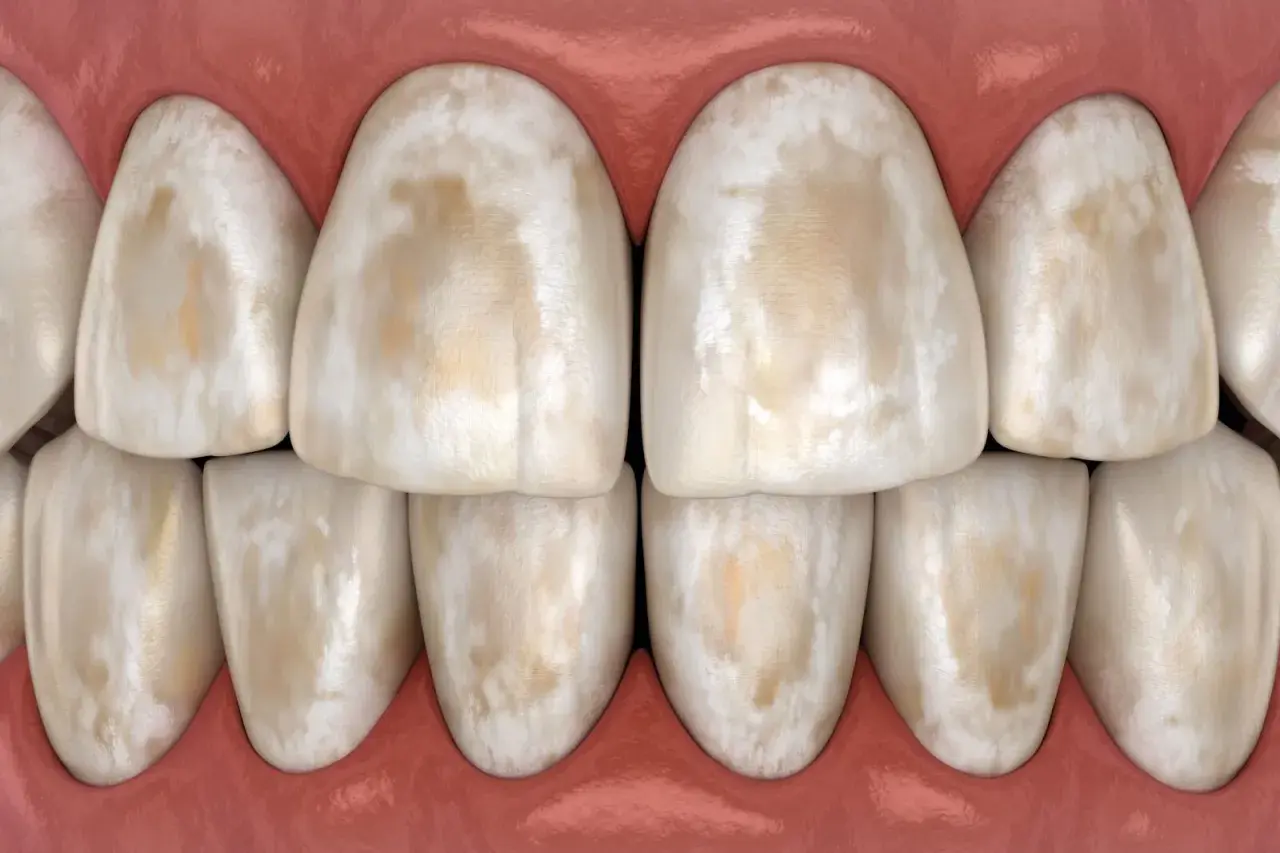
Competitive swimming can leave a mark on more than your split times. What people call swimmers teeth usually means a mix of enamel erosion, yellow-brown staining, and hardened plaque buildup, especially when training volume is high or pool chemistry is off. The good news is that most of the damage is preventable, and the warning signs are easy to spot once you know what to look for.
The main risk is repeated acid exposure, not swimming itself
- Frequent pool time can contribute to staining, enamel wear, and sensitivity when the water is poorly balanced or exposure is heavy.
- Yellow or brown surface stains, rough edges, and tooth sensitivity are the early signs I would not ignore.
- Rinsing with fresh water, using fluoride, and waiting before brushing can reduce the risk.
- The CDC recommends keeping pool pH between 7.0 and 7.8, which matters for both hygiene and comfort.
- Once enamel is gone, the goal shifts from “fixing” to protecting what is left.

What swimmers’ teeth usually look like in practice
In real life, the problem rarely shows up as one dramatic change. I usually see it as a pattern: surface staining that will not brush away, sensitivity that appears after long pool sessions, or front teeth that look a little thinner and more translucent at the edges.
| What you notice | What it may mean | What I would do next |
|---|---|---|
| Yellow or brown film on the front teeth | Extrinsic stain or swimmer’s calculus, which is hardened plaque buildup | Book a cleaning and ask whether pool exposure is contributing |
| Cold sensitivity or soreness with sweet drinks | Enamel is thinning and dentin may be getting exposed | Pause whitening products and get a dental exam |
| Shiny, rounded, or translucent biting edges | More advanced enamel wear | Treat it as early erosion, not just a cosmetic issue |
| Hard buildup near the gumline | Calculus that usually needs professional removal | Do not try to scrape it off yourself |
I treat these signs as clues, not a diagnosis. Staining by itself is frustrating, but staining plus sensitivity is where I start thinking about active erosion. That leads straight to the bigger question: why does swimming affect the mouth in the first place?
Why competitive swimmers are more exposed
The short answer is exposure time. Competitive swimmers spend far more hours in chlorinated water than casual lap swimmers, so the mouth gets hit repeatedly instead of occasionally. In a study of adolescent competitive swimmers in gas-chlorinated pools, dental erosion appeared in more than 26% of competitive swimmers versus 10% of recreational swimmers, and risk increased with training duration.
Pool chemistry matters too. The CDC recommends a pool pH of 7.0-7.8, and that range is not just about swimmer comfort. When the water drifts acidic or is poorly buffered, enamel becomes more vulnerable to demineralization. In one salivary study of competitive swimmers, saliva flow dropped after a two-hour practice session, and the researchers also saw changes in salivary minerals tied to enamel balance. That is a useful reminder that the mouth is not sitting still while the athlete is training.
I also would not oversimplify this as “chlorine destroys teeth.” The picture is messier. A small collegiate study found staining in all participants despite regular brushing and dental cleanings, while a more recent cross-sectional study in elite swimmers even suggested lower plaque and fewer new caries, likely because swimming repeatedly rinses the mouth. My read is simple: swimming is not the enemy, but heavy exposure plus bad chemistry plus weak recovery habits can be.
Once that pattern is clear, the prevention routine becomes much easier to build.
The prevention routine that actually holds up
The habits that matter most are boring, which is usually a good sign. They are also the ones swimmers can keep doing without blowing up training. I would focus on four things: rinse, hydrate, use fluoride, and avoid brushing too soon after acid exposure.
- Rinse with fresh water as soon as you can after leaving the pool.
- Drink plain water during and after training instead of relying on sports drinks for every refill.
- Use fluoride toothpaste twice a day, and ask your dentist whether a higher-fluoride product makes sense for your mileage in the water.
- Wait about 30 minutes before brushing if the mouth has just been exposed to acidic conditions. The Academy of General Dentistry gives that same basic advice for acid erosion, because enamel is more vulnerable right after acid exposure.
- Avoid swishing pool water or keeping your mouth open underwater longer than necessary.
- Keep up with professional cleanings, especially if staining returns quickly.
For swimmers who train many hours a week, fluoride is one of the few interventions I would take seriously. Recent lab work has found that highly concentrated fluoride products and remineralizing agents can help protect enamel against erosion. A mouthguard can also reduce enamel loss in simulation studies, but I see that as a niche option, not a universal training accessory. It is most useful when a dentist is trying to manage a swimmer who already shows wear, sensitivity, or orthodontic risk.
If you own or manage a pool, the chemistry side matters just as much. Ask for pH logs, because consistently balanced water is part of protecting swimmers’ teeth, not just part of keeping the pool clear. When that routine is in place, the next job is knowing when the damage has moved beyond prevention and needs treatment.
When a dentist should examine the problem
I would not wait for a tooth to hurt before booking an exam. If the stains are getting darker, the edges look thinner, or cold drinks suddenly sting, that is the point where I want a dentist looking at the pattern, not guessing from a photo.
| What is happening | Common response | Why it helps |
|---|---|---|
| Surface stain only | Professional cleaning and stain removal | Removes buildup before it masks early wear |
| Early erosion or sensitivity | Fluoride varnish, high-fluoride toothpaste, or remineralizing care | Helps strengthen the remaining enamel |
| Noticeable enamel loss | Bonding or restorative coverage | Protects the tooth and improves function |
| Braces or other orthodontic appliances | Coordinated care with the orthodontist | Reduces bond problems and local wear |
One point is worth stating plainly: lost enamel does not grow back on its own. You can harden and protect what remains, but you cannot treat erosion as if it were a temporary stain. That is why I would rather catch the problem early, while the fix is still simple and inexpensive.
That leaves the practical question a swimmer actually needs answered week to week: what routine is worth keeping once the season gets busy?
The routine I would actually use in a heavy swim season
If I were building a realistic plan for a year-round swimmer in the U.S., I would keep it tight and repeatable. A complicated routine fails the moment doubles, school, travel, or meets start stacking up.
- Rinse with plain water immediately after practice.
- Use fluoride toothpaste morning and night.
- Wait about 30 minutes after acidic exposure before brushing.
- Keep sports drinks for specific sessions, not constant sipping.
- Ask for an erosion check at routine cleanings if you train several times a week.
- Bring up pool chemistry if your mouth feels consistently dry, sharp, or irritated after sessions.
If the only issue is a little surface stain, that is usually manageable with better cleaning and better pool habits. If you are noticing sensitivity, translucency, or fast-returning discoloration, I would treat it as early enamel wear and get it looked at sooner rather than later. The swimmers who protect their smiles best are not the ones who do everything perfectly; they are the ones who keep the few important habits on repeat.