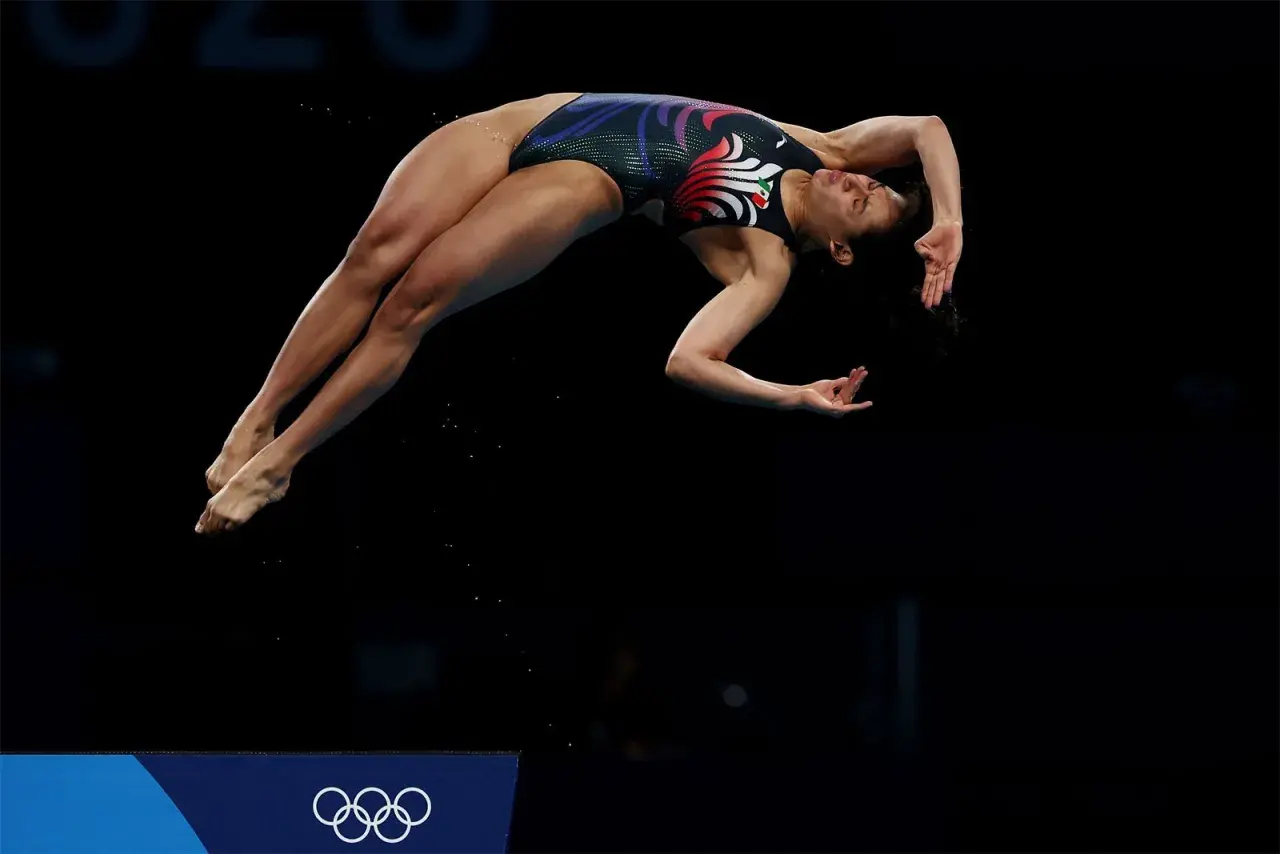
When a diver leaves the board, the smallest change in body shape can decide whether the rotation feels effortless or rushed. A tuck dive uses a compact position, with the knees drawn toward the chest, to speed rotation and create more time to prepare for a clean entry. The same body control also appears in surface-diving skills that can support water polo awareness, although the competitive diving version and the in-water version are not identical.
The compact shape that makes rotation faster
- Position: knees close to the chest, heels near the buttocks, and hands holding the shins.
- Purpose: a smaller body shape rotates faster than a straight or piked shape.
- Sequence: take off tall, tuck quickly, spot the right moment, then kick out into a streamlined entry.
- Best starting point: dry-land drills, poolside practice, and a 1-meter board with qualified supervision.
- Water polo link: a compact surface dive can help a player move head-first below the surface, but it is not a standard scoring or shooting technique.
What the tucked position actually does
In diving, the tuck is one of the four main body positions, alongside straight, pike, and free. The diver bends at both the hips and knees, pulls the thighs toward the chest, and keeps the body compact. In judged diving, this position is identified by the letter C, as in a forward 2½ somersaults in tuck, coded 105C.
The reason it works is simple physics. Bringing the legs closer to the torso reduces the body’s moment of inertia, so the diver can rotate more quickly without needing to create all the rotation from the takeoff. That does not make the skill easy. A tight tuck demands abdominal strength, hip mobility, timing, and enough spatial awareness to know when to open.| Position | Body shape | Typical effect |
|---|---|---|
| Tuck | Knees and hips bent, body compact | Fast rotation and an early kick-out |
| Pike | Hips bent, legs mostly straight | Slower rotation with a longer shape |
| Layout | Body extended with hips open | Strong visual line but greater control demands |
| Straight | Body fully extended | Most difficult to rotate quickly |
I often see beginners trying to make the tuck smaller by folding their head down aggressively. That usually creates tension and disrupts balance. The better cue is knees toward the chest, while the head stays controlled and the eyes look over the knees rather than straight at the water.
How to learn the movement without rushing it
A safe progression matters more than height. Start on dry land by sitting in a compact position, holding the middle of the shins, and keeping the heels close to the seat. Hold the shape for 10 to 15 seconds, release it, and repeat for three or four controlled repetitions.
- Practise the shape on the deck. Keep the back rounded without collapsing the shoulders and learn what a compact position feels like.
- Add a forward jump tuck. From poolside, jump upward first, then bring the knees in. Do not throw the body downward.
- Work from the pool edge. Use a shallow, controlled entry only after the jump shape is consistent.
- Move to a 1-meter springboard. Begin with an experienced coach and focus on takeoff rhythm rather than height.
- Introduce somersaults gradually. Add rotation only when you can reliably open into a straight, streamlined position.
Never practise head-first entries in unknown or shallow water. In a U.S. pool, follow the facility’s depth markings and diving-board rules, and use a coach or trained spotter for board work. A beginner should be able to enter cleanly from poolside before progressing to a springboard.
A useful drill is the jump, tuck, open sequence. Perform a small vertical jump, pull into the compact shape for a moment, then extend the arms overhead and straighten the body. This teaches the timing of the skill without the distraction of a full somersault.
How the takeoff, rotation and entry fit together
The best-looking dives begin before the tuck. On a forward dive, the takeoff should create height and a controlled forward trajectory. Throwing the shoulders down too early reduces airtime and often produces a low, flat rotation. I prefer the cue up first, then around.
Takeoff
Push through the legs and allow the arms to travel overhead. Keep the chest lifted during the initial rise. The diver should leave the board with enough vertical lift to complete the movement, not simply leap toward the water.
Tuck
Once the body has left the board, bring the knees toward the chest and hold the shins. Keep the tuck compact, but do not squeeze so hard that the shoulders, neck, and hips become rigid. Looking over the knees helps maintain awareness of the rotation.
Kick-out
Opening too early leaves the diver short of rotation. Opening too late can cause over-rotation or a rushed entry. The practical cue is to see the feet rise, then extend the legs and reach the arms overhead into a narrow line.
Read Also: Water Polo for Swimmers & Divers - Your Guide to the Game
Entry
The hands should lead, the head should stay between the arms, and the body should enter as one line. A quiet entry is not only attractive to judges. It shows that the diver controlled the final phase rather than surviving it.
The mistakes that make a tuck feel harder
Most problems come from timing, not a lack of athletic ability. A diver may have enough power to rotate but lose control because the body shape changes at the wrong moment.
| Common mistake | What it causes | Better correction |
|---|---|---|
| Dropping the chest during takeoff | Low trajectory and rushed rotation | Think upward lift before bringing the knees in |
| Pulling the head sharply down | Tension and poor body awareness | Keep the neck relaxed and look over the knees |
| Leaving the knees far from the chest | Slow, incomplete rotation | Pull the thighs in and keep the heels close |
| Opening before the rotation is ready | Feet-first or flat entry | Wait for a clear visual or coached timing cue |
| Staying tucked too long | Over-rotation and a late entry | Practise the kick-out as a separate movement |
| Separating the legs | More drag and a messy entry line | Keep the knees together unless a specific dive requires otherwise |
One correction at a time works best. If I ask a beginner to fix the takeoff, head, knees, arms, and entry simultaneously, the movement usually becomes stiff. I would first improve the takeoff height, then the compact shape, and only afterward refine the entry.
What the technique means in water polo
Water polo adds a second meaning to this movement. A player can use a compact, head-first surface dive to move below the surface, reach for a loose ball, or change direction quickly. The knees come toward the chest, the hips tip forward, and the body then lengthens into a streamlined position underwater.
This is useful for body control, but it should not be confused with a springboard somersault. In a game, the priority is speed, visibility, and recovery, not rotation or a judged entry. A field player who disappears underwater for too long may lose position, miss a pass, or expose the team defensively.
There is also a rules issue. Under current World Aquatics water polo rules, a player who takes or holds the entire ball underwater when tackled commits an ordinary foul. The compact dive can help with movement, but it does not make underwater ball protection legal.
For goalkeepers, the same shape is usually less important than maintaining a strong eggbeater position and keeping the head above the surface. A keeper may use a brief forward dip in a reaction or recovery, but dropping fully under the water normally sacrifices the visual information needed to track the shot.
How to build useful practice into a weekly session
You do not need a long diving workout to improve. A focused block of 10 to 15 minutes, once or twice per week, is enough for most beginners when the repetitions remain technically clean.
- Complete 3 sets of 5 dry-land tuck holds.
- Perform 5 controlled jump-tuck-open repetitions from poolside.
- Practise 5 streamlined entries with no rotation.
- Add 3 to 5 coached tuck dives from a low board or platform.
- Finish with easy swimming rather than repeating fatigued attempts.
Stop when the shape becomes loose or the entry becomes unpredictable. Fatigue changes timing quickly, and diving is not a skill to force through poor repetitions. I would rather keep five precise attempts than collect twenty rushed ones that teach the body the wrong pattern.
Use the tuck as a tool, not a shortcut
The compact position is valuable because it gives the diver control over rotation. It does not replace a strong takeoff, a reliable kick-out, or safe supervision. Build the skill from the deck upward, keep the head and body calm, and measure progress by cleaner timing rather than by how dramatic the dive looks.
For water polo players, the same body awareness can improve short underwater movements, but game awareness always comes first. Once the tuck feels natural, the next useful goal is simple: leave the board tall, rotate compactly, open on time, and enter in one line.
