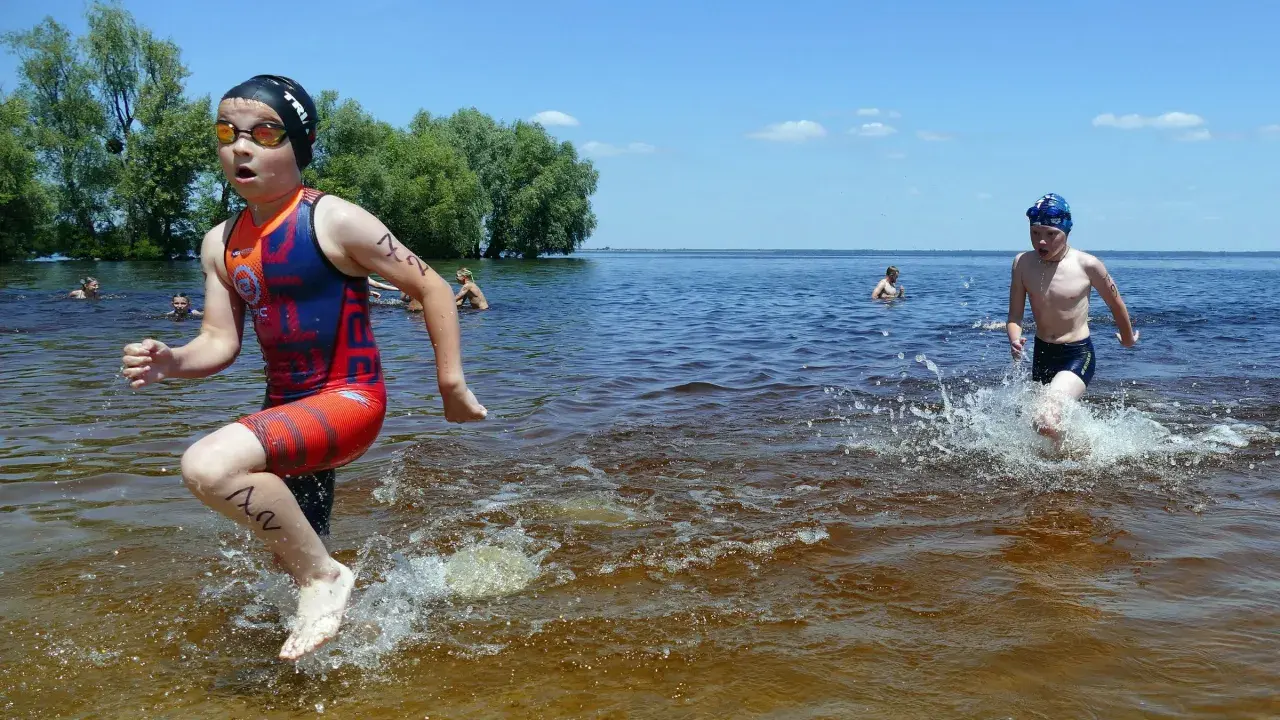
For young athletes, triathlon works best when it feels like a structured adventure: a short swim, a controlled bike leg, a manageable run, and a finish that still leaves something in the tank. A youth triathlon should build confidence, not exhaustion, and the best events make that balance obvious from the start. In this guide I break down what these races look like in the United States, how distances change with age, what gear matters, and how I would prepare a child without overcomplicating it.
The main things to get right before race day
- Match the race to the athlete’s current comfort level, not to an ambitious long-term plan.
- Keep the first few races short enough that the swim stays calm and the finish still feels fun.
- Focus early training on swimming confidence, bike control, and smooth transitions.
- Buy safety-first gear first: a properly fitted helmet, a bike that fits, goggles, and familiar running shoes.
- Choose a course with clear markings, simple logistics, and age groups that make sense for beginners.
What a first race should feel like
When I look at a well-run kids’ multisport race, I want to see three things: a clear course, short enough distances to stay controlled, and an atmosphere that rewards effort more than speed. In the U.S., the best beginner events are usually built around safety, fun, and a first taste of independence.
I prefer races where a child can see the transition area, understand where to go next, and leave the day feeling capable. Pool swims, closed-road bike courses, and low-pressure swim-run formats are often better first steps than a crowded event with complicated logistics. Once that mindset is clear, the next question is how long the race should be.
How distances change as kids get older
There is no single universal distance, but a common U.S. age guide keeps younger athletes very short and scales up gradually. I treat the numbers below as a practical starting point, not a rigid rule, because pools, open water, road safety, and local course design all change what is realistic.
| Age band | Typical race size | Why it works |
|---|---|---|
| 7-10 | 50-100 m swim, 2-3 km bike, 100 m-1 km run | Keeps the swim calm and the finish energetic. |
| 11-12 | 200 m swim, 5-7 km bike, about 2 km run | Leaves room to learn transitions without fatigue taking over. |
| 13-15 | Super-sprint or draft-legal race; distances vary more | Builds a bridge to more technical bike racing and pacing. |
| 16-19 | Junior racing, often draft-legal | Tactics, handling, and pack riding start to matter more. |
Draft-legal means a rider can sit in another athlete’s slipstream on the bike, so group awareness and bike handling become part of the sport. For younger kids, non-drafting races and simple super-sprints are usually easier to manage. A child who is still nervous in open water or shaky on corners usually benefits more from repetition at a shorter distance than from a bigger course.
That progression only works if the training stays appropriate, and that is where I become very careful about volume.
How I would prepare a child without overtraining
I like simple, repeatable weeks. For a first race, I would rather see short sessions done consistently than a big training block that leaves the child tired, bored, or sore.
A simple weekly rhythm
For most beginners, 3 to 5 sessions a week is plenty. That might mean one or two swims, one or two bike rides, and one or two runs, with at least one day kept completely free if the child is also doing school sports or club swimming. If the athlete already has a strong swim background, I shift time toward bike handling and easy running instead of adding more laps.
Transitions deserve real practice
The transition is the short space where kids lose the most time and the most confidence. I practice the basics at home: helmet on before touching the bike, shoes placed in the same spot every time, and a calm walk-through of mount and dismount lines. A 10-minute transition rehearsal often saves more stress than another hard workout.
Read Also: Ultra Ironman Distances Explained - Beyond the Numbers
Know when to stop adding volume
If the child starts dreading the session, losing sleep, or getting sloppy with form, the answer is usually to reduce volume, not push harder. The goal is to build a racer who wants another start line, not a kid who feels punished by training.
Once the week feels manageable, the next decision is whether the equipment helps or distracts.

What gear is worth buying first
I keep the first kit brutally practical. A child does not need premium equipment to race well; they need gear that fits, stays comfortable, and does not create avoidable problems on race day.
| Item | Why it matters | What can wait |
|---|---|---|
| Helmet that fits properly | Safety and confidence on the bike | Aero helmet or advanced race-specific model |
| Bike sized correctly | Control in turns, braking, and transitions | Carbon frame or other performance upgrades |
| Goggles and swimsuit | Comfort and visibility in the water | Specialty wetsuit, if the race does not require one |
| Running shoes already broken in | Familiar feel on the final leg | Carbon plates or racing flats |
| Race belt, towel, water bottle | Simpler transitions and less clutter | Electronics and extra gadgets |
My rule is simple: if a piece of gear changes the child’s comfort or safety, it matters. If it only saves a few seconds, it can wait until the athlete has outgrown the basics. I care much more about the fit of the helmet and the control of the bike than about the logo on the frame.
With the kit sorted, the next filter is the race itself, because not every event is built the same way.
How to choose the right race in the United States
In 2026, the easiest entry points are still local club races, youth state series events, and beginner-friendly swim-run programs. A lower-barrier format can be the right move when a family wants the child to experience racing without having to manage every part of triathlon on day one.
- Check the age bands and make sure the event is truly designed for beginners.
- Ask whether the swim is in a pool or open water; a pool course is usually calmer for a first-timer.
- Look for closed roads, clear turn markings, and volunteers at the mount, dismount, and finish areas.
- Confirm whether the bike leg is non-drafting or draft-legal, especially for older kids and teens.
- Choose a field size that matches the child’s comfort level; a small local race is often better than a large championship-style start.
I also pay attention to the tone of the event. A race that feels organized and encouraging is worth more than a bigger name with confusing logistics. If a child can understand the course map, see the transition area, and predict what happens next, the day already has a much better chance of going well.
That said, the finish line is not the real finish; the real question is whether the sport still feels worth doing a week later.
What keeps young athletes coming back after the first finish
The kids who stay in the sport usually get three things right: they feel progress, they feel ownership, and they are not asked to train like adults. I think the best long-term goal is simple: leave enough excitement for the next race.
- Celebrate specific improvements, like a calmer swim start or a cleaner transition, instead of only the final placing.
- Keep one or two other sports in the mix so triathlon does not become the child’s whole identity.
- Use swim-run or short super-sprint events when the bike leg is the biggest barrier.
- Watch for burnout signs: resistance to every session, constant fatigue, or anxiety before training.
- Protect sleep, hydration, and normal meals; young athletes do better when recovery is boring and consistent.
For me, the right first race is the one that leaves a child saying, “I could do that again.” If the distances are age-appropriate, the course is clear, and the experience stays fun, the sport has already done its most important job.