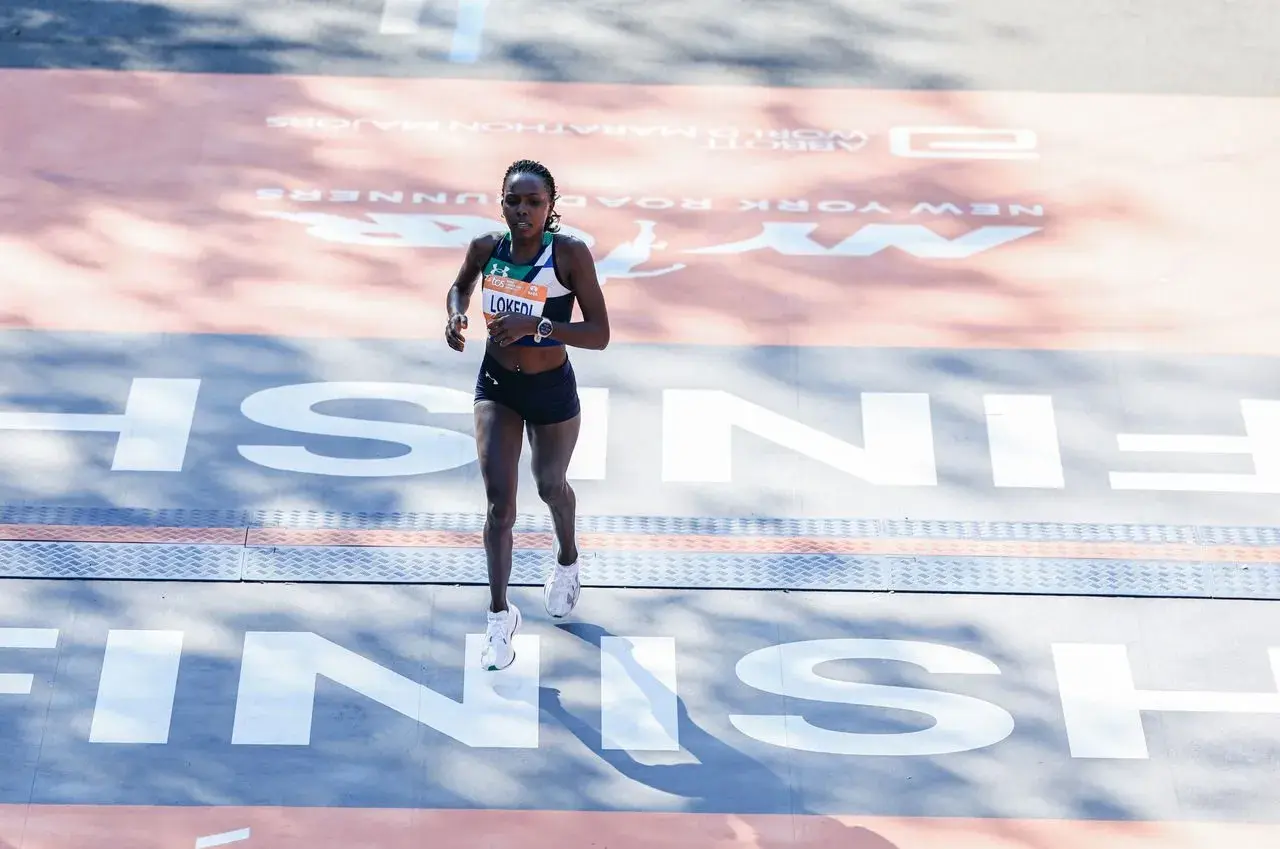
Under Armour tri suits are a niche topic because the brand is stronger in training apparel than in race-specific tri kits. That matters if you want one outfit that can handle the swim, hold its shape on the bike, and stay comfortable on the run. In this guide I break down what Under Armour does well, where a true tri suit has the edge, and how to choose gear that actually fits the way triathlon is raced in the United States.
Key takeaways before you buy
- Under Armour is best treated as a training-brand option, not a first-choice tri-suit specialist.
- A real race suit needs a tri-specific chamois, fast-drying fabric, flat seams, and pockets that stay usable in motion.
- Sleeved suits usually win on aerodynamics and sun protection, while sleeveless suits can feel cooler in very hot races.
- For first-time racers, comfort and chafe control matter more than flashy compression claims.
- Recent tri-suit pricing generally runs from about $125 to $549, with many solid options sitting in the middle.
What Under Armour actually gives you for triathlon training
On the current US site, Under Armour is clearly selling training layers, shorts, baselayers, and swimwear, and its core fabric language still revolves around HeatGear, UA Vanish, and UA Storm. That is useful for brick sessions, warm-weather runs, pool-deck warmups, and gym work because those pieces dry fast and move easily. I like that kind of gear for training, but I would not confuse it with a race kit built specifically for swim-bike-run transitions.
From what I can see, Under Armour is offering general performance apparel rather than an obvious dedicated tri-suit line in the way triathlon-first brands do. That does not make the clothing bad. It just means the design priority is broader athletic use, not the very specific demands of triathlon. That difference is important, because race day exposes weaknesses quickly: too much fabric around the hips, too little pocket storage, seams that rub, or a pad that feels fine on a trainer but wrong after an open-water swim.
So if you are coming to this topic as a swimmer, cyclist, or beginner triathlete, my first instinct is simple: use UA where it is strong, then decide whether you need a real tri suit for the start line. That leads directly to the features that separate a race-day suit from ordinary workout apparel.
What a real tri suit must do on race day
A tri suit has to solve three different problems at once. It needs to feel decent in the water, stay stable and efficient on the bike, and avoid turning into a chafing machine on the run. That is why the best suits look like a cross between swimwear, cycling kit, and running apparel rather than a standard compression outfit.
| Feature | What good looks like | Why it matters |
|---|---|---|
| Fabric | Light, quick-drying, and low-bulk | Reduces swim drag and avoids the soggy feel that slows you down early on the bike |
| Chamois | Thin tri-specific pad, not a thick cycling pad | Gives enough support on the bike without feeling like a diaper on the run |
| Seams and panels | Flat, strategically placed, and minimal where possible | Helps prevent rubbing under a wetsuit, in aero position, and during long runs |
| Pockets | Rear pockets that stay usable and do not bounce | Lets you carry gels without stopping or digging through a top tube bag |
| Zipper and ventilation | Easy front zip with enough airflow control | Lets you dump heat on the bike and stay comfortable in warm conditions |
| Sleeves and coverage | Either aerodynamic sleeves or a well-cut sleeveless design | Affects sun protection, cooling, and how stable the suit feels at speed |
That feature list is where ordinary training gear usually falls short. A tri suit is not just a tight top and short; it is a race tool. In practical terms, the athlete who buys the right suit is buying less friction, fewer distractions, and cleaner transitions. The athlete who buys the wrong one ends up thinking about the clothing far more than the race.
That is why I do not start with brand loyalty when I shop. I start with the job the suit has to do, then I look at the brand after that. Once you think that way, it becomes much easier to decide when Under Armour is enough and when a purpose-built tri kit is the smarter move.
When a UA-based setup makes sense
I would absolutely use Under Armour pieces for training, especially if the goal is comfort, sweat management, and durability rather than race-specific speed. A compression top, lightweight shorts, or a fast-drying training layer can work well for brick workouts, indoor sessions, and general conditioning. For some athletes, that is all they need until race day gets serious.
Here is the honest version of where it fits best and where it does not:
- Brick workouts - Good use case. You want something durable, easy to move in, and quick to dry between bike and run.
- Open-water practice - Sometimes useful, but only if the fit stays smooth under stress and the fabric does not hold too much water.
- Sprint and super-sprint racing - Possible for a beginner, but I would still prefer a real tri suit if you plan to race more than once.
- Olympic, 70.3, and Ironman racing - Not my first recommendation. The longer the race, the more the pad, pockets, and ventilation matter.
- Hot-weather run training - Strong use case. UA’s sweat-wicking training apparel is built for this kind of effort.
Fit is the real performance feature
In triathlon, a bad fit costs more than a slightly slower fabric. If the suit is too loose, it can flap, hold water, and rub in motion. If it is too tight, it can restrict breathing, pull at the shoulders, or make the bike position feel cramped. I think a lot of first-time buyers underestimate how much the fit changes once the suit is wet and you are bent over the bars.
When I fit a tri suit, I check five things first:
- The torso stays smooth when I reach overhead as if I were swimming.
- The shoulders do not feel pinched in an aero or forward bike position.
- The chamois is present on the bike but nearly disappears when running.
- The leg grippers hold the suit in place without cutting into the thigh.
- The pockets stay flat when empty and do not bounce when loaded with gels.
I also skip underwear under a tri suit. The pad and seams are designed to sit directly against the skin, and adding another layer usually creates more moisture, more friction, and a worse feel once the race heats up. If you are shopping Under Armour’s current performance clothing, use the size guide carefully, because performance cuts leave very little room for guessing. A half-size mistake in a tri suit is the difference between "comfortable enough" and "why did I buy this?"
Once fit is right, the next decision is usually budget. That is where the triathlon market gets very practical very quickly.
What I would spend in 2026
The current market is wide. You can find entry-level suits that cover the basics, midrange suits that feel genuinely race-ready, and premium aero suits aimed at athletes chasing every possible watt. In recent market coverage, tri suits have stretched from about $125 to $549, and that range makes sense if you look at the materials, construction, and testing behind them.
| Budget tier | Typical price | Best for | What you are really paying for |
|---|---|---|---|
| Entry level | $125-$180 | First sprint races, lighter training use | Basic race functionality, decent comfort, fewer premium aero details |
| Midrange | $180-$300 | Most age-group athletes | Better fabrics, better pad design, better pocket layout, better fit stability |
| Premium aero | $300-$549 | Competitive long-course racing | More refined sleeves, wind-tunnel style shaping, and more specialized construction |
If you compare that with Under Armour’s own current men’s shorts pricing, which sits roughly from the low $20s to around $80 depending on the model, you can see the difference in category. UA is priced like training apparel. A serious tri suit costs more because it has to do more. That is not a branding problem; it is a construction problem.
For most athletes, my practical advice is to buy the suit for the race you are actually doing. A sprint beginner does not need the most aggressive aero suit on the market. An athlete targeting 70.3 or Ironman does need a better chamois, more thoughtful storage, and a cut that stays comfortable after hours of movement. I would spend up only where the race demands it.
The smartest way to use Under Armour without making race day harder
If you like how Under Armour fits, use it where it naturally excels: training sessions, recovery days, brick workouts, and general gym or run work. Keep the brand in the rotation for sweat management and comfort, because that is what its current apparel is built to do. Then buy a dedicated tri suit for the actual race start, especially if you are racing beyond the shortest formats.
My rule is simple. If the event is casual, short, and mostly about finishing, a UA-oriented setup can be acceptable as a temporary bridge. If the event matters, or if the bike and run legs are long enough for chafing and heat to become real issues, a purpose-built tri suit is the better investment every time. I would rather own one race-specific suit that works than try to force general sportswear into a job it was never designed to do.
So if I were advising a US age-group athlete today, I would treat Under Armour as a training brand first and a triathlon solution second. Use its gear to prepare well, then choose a real tri suit for race day so your clothing helps the performance instead of becoming part of the problem.