What matters most before you start training
- Pick a first race that matches your current fitness, not your ambition on a good day.
- Train all three disciplines early, but keep most sessions easy enough to repeat next week.
- Swimming is usually the biggest limiter for newcomers, so it deserves consistent practice.
- Brick workouts and transitions matter more than flashy equipment.
- A simple 12- to 16-week build is enough for many beginners, but the start point has to be honest.
Choose a first race that fits your current base
When I build a first triathlon plan, I start with the event, not the workouts. The right debut race makes training feel clear; the wrong one turns every session into a scramble. For most newcomers, a sprint or super sprint is the sensible target, because the distance is short enough to learn the sport without needing a huge endurance background.
| Race type | Typical distance | Best for | Why it works |
|---|---|---|---|
| Super sprint | 400m swim, 10km bike, 2.5km run | True beginners, limited time, or nervous swimmers | Short enough to finish comfortably while learning race-day flow |
| Sprint | 750m swim, 20km bike, 5km run | Most first-timers | Long enough to feel like a real triathlon, but still manageable with steady training |
| Standard | 1500m swim, 40km bike, 10km run | Athletes with an established aerobic base | Requires much more volume, especially in the run and swim |
A good readiness check is simple: if you can already swim 300 to 400 meters without stopping, ride for 30 to 45 minutes comfortably, and jog for 20 to 30 minutes, a sprint race is realistic with training. If the swim still feels intimidating, I would rather steer you toward a super sprint than force a bigger target too soon. The confidence you gain from a smaller first finish is worth more than trying to look ambitious on paper.
Once the race is chosen, the next step is building the three sports in a way that improves fitness without creating avoidable fatigue.
Build the swim, bike, and run base without overcomplicating it
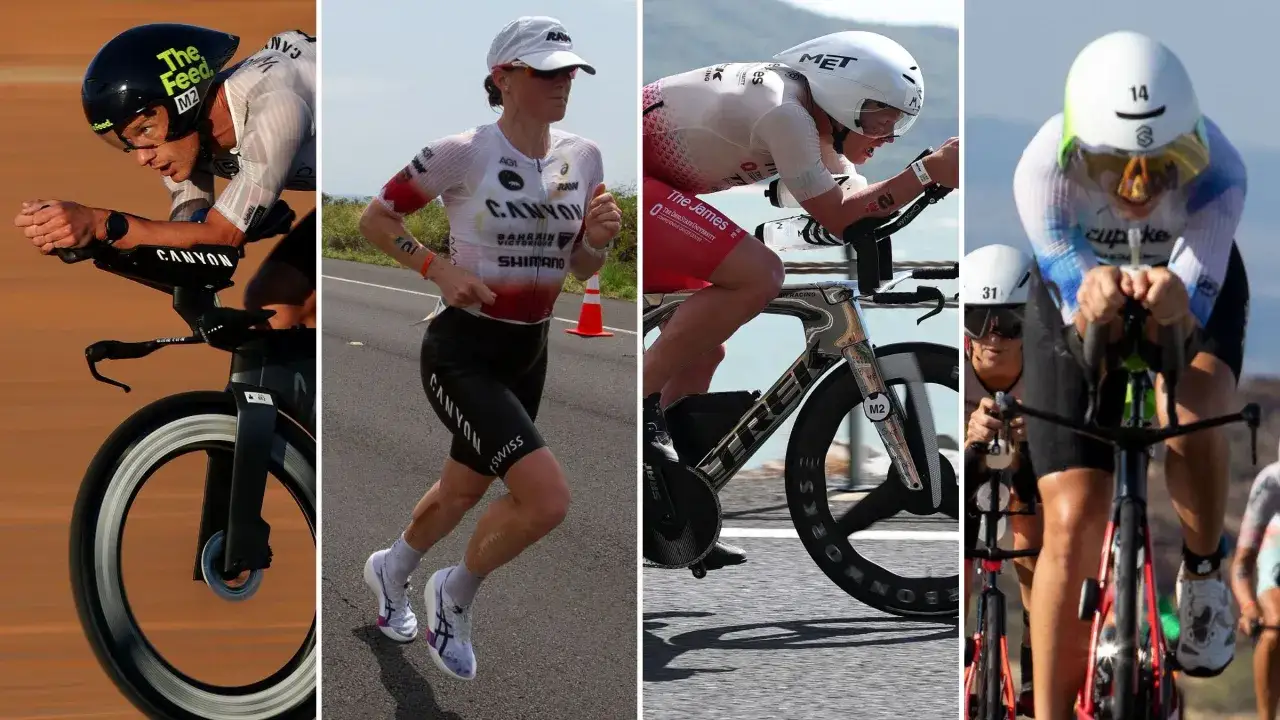
A first triathlon plan works best when each discipline has a clear job. The swim builds comfort and breathing control, the bike builds durable aerobic work, and the run teaches your legs to handle impact after the other two sports. I like to keep the early phase deliberately plain: consistent sessions, low drama, and enough recovery to let the body adapt.| Discipline | How often to train | Early focus | Common beginner error |
|---|---|---|---|
| Swim | 2 to 3 times per week | Breathing, body position, relaxed rhythm, short drills | Trying to swim every length hard and leaving the pool exhausted |
| Bike | 2 times per week | Steady aerobic work, handling, cadence, confidence on turns | Riding too hard and making the run impossible afterward |
| Run | 2 times per week | Easy run-walk progression, soft landings, patience | Jumping straight to continuous running before the joints are ready |
| Strength | 1 to 2 times per week | Core stability, glutes, calves, hamstrings, upper-back support | Training to failure instead of building durability |
Swim
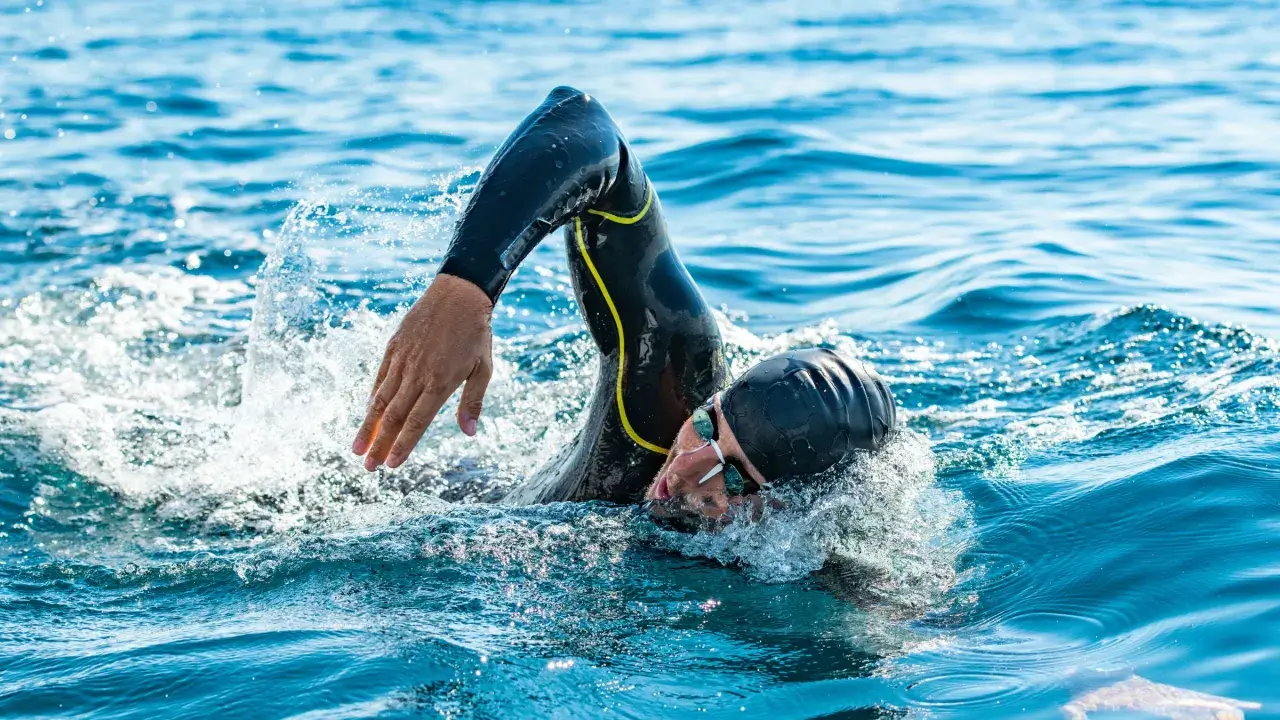
For beginners, the swim is usually more of a skill problem than a fitness problem. I want relaxed exhalation, a balanced body line, and enough comfort in the water to avoid the panic spiral that wastes energy. Short sets work better than heroic efforts: for example, 6 x 50 meters with easy rest teaches more than a single all-out grind. If open water is part of your race, practice sighting and breathing in slightly rougher conditions before race week, not for the first time on the start line.
Bike
The bike is where beginners can pick up free confidence. Start with safe, predictable rides on flat roads or a trainer, then add a little time before you add intensity. Smooth pedaling, cornering, braking, and shifting are part of triathlon fitness too, because a rider who is technically relaxed usually arrives at the run in much better shape. I prefer an easy endurance ride with one or two short pickups over a workout that leaves you cooked.
Read Also: Triathlon Training - Your First Race Guide
Run
The run should feel controlled, not heroic. If you are coming from inactivity, run-walk intervals are not a compromise; they are a smart entry point. A pattern like 2 minutes run, 1 minute walk, repeated for 20 to 30 minutes, often lets a new athlete build tolerance without beating up the shins, calves, or knees. As the body adapts, the walking breaks shrink naturally. That is progress. Forcing pace early is usually just a fast way to get sore.
Good basics in all three sports matter more than a perfect spreadsheet, which is why the weekly build needs to be simple enough to repeat.
Use a 12- to 16-week build that matches where you start
I usually think in phases, not rigid plans. A 12-week build is enough if you already have some activity in the background. A 16-week build is safer if you are starting from a sedentary routine or if the swim feels unfamiliar. The point is not to train more for the sake of it; the point is to arrive on race day with steady fitness, a little reserve, and no big surprises.
| Phase | Weeks | Weekly time | Main goal | What to emphasize |
|---|---|---|---|---|
| Foundation | 1 to 4 | 3 to 4 hours | Build consistency and movement quality | Easy swims, short rides, run-walk sessions, light strength |
| Build | 5 to 8 | 4 to 5 hours | Increase endurance without losing freshness | Slightly longer bike and run sessions, continued swim drills |
| Specific | 9 to 12 | 4.5 to 6 hours | Practice race patterns | Brick workouts, transitions, open water practice, pacing |
| Taper | Last 1 to 2 weeks | Reduce by about 30 to 40 percent | Arrive rested and sharp | Short sessions, a few faster efforts, plenty of sleep |
A sample beginner week in the middle phase might look like this: one swim of 30 to 40 minutes, one easy bike of 45 minutes, one run-walk of 25 to 30 minutes, one second swim or bike session, one short strength session, and one longer weekend bike followed by a 10-minute brick run. That is enough to move the needle without making recovery impossible. I would rather see a beginner finish a week feeling capable than chase a heroic volume target and miss the next session.
That training structure only works if the gear is simple, safe, and not distracting, which is why equipment choices deserve their own section.
Buy the gear that removes friction, not the gear that looks fast
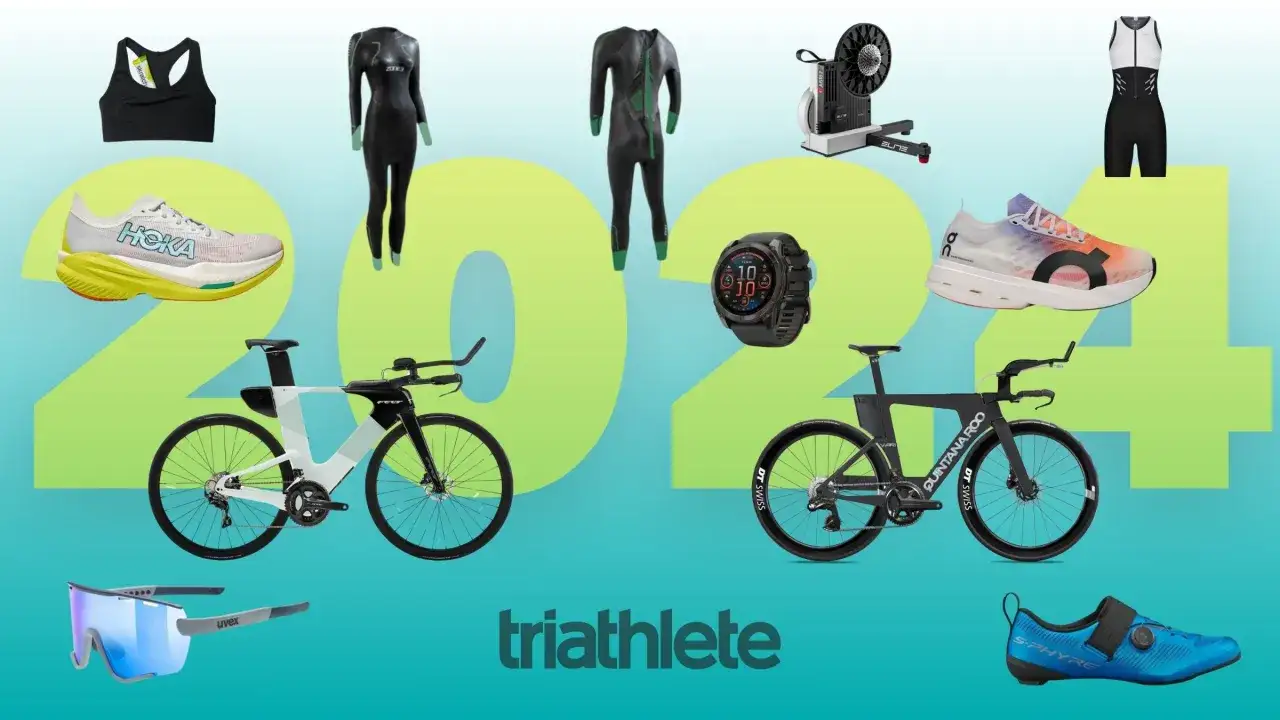
A first-time triathlete can waste a surprising amount of money on things that do not matter yet. I like to keep the gear list lean. If something improves safety, comfort, or basic execution, it earns a place. If it only makes you look more serious, it can wait.
| Item | Buy now | Wait if needed | Typical US price range |
|---|---|---|---|
| Swim goggles | Yes | No | $15 to $40 |
| Swim suit or tri suit | Yes, if comfortable | Yes, you can race in basics first | $40 to $180 |
| Bike | Yes, but it does not need to be fancy | Deep wheels, aero upgrades, race-only bike builds | $300 to $1,200 used, $800 to $2,000 new for a solid entry-level option |
| Helmet | Yes | No | $50 to $150 |
| Run shoes | Yes | No | $80 to $180 |
| Wetsuit | Only if your race requires or strongly benefits from it | Yes, if the water is warm or the race allows no wetsuit | Often $100 to $500, or less if rented or borrowed |
If you already own a bike that fits and is mechanically sound, use it. I would take a stable bike with flat pedals over an aggressive setup that makes a beginner nervous in traffic or at transition. The same logic applies to the swim: reliable goggles and a suit that stays in place matter more than anything flashy. For many first races, the biggest equipment win is simply avoiding discomfort and mechanical stress.
There is one more piece that deserves honesty, because it is where many beginners quietly lose momentum.
Avoid the mistakes that make beginners quit too early
Most first-time triathletes do not fail because they are lazy. They fail because they misread what the sport asks of them and stack too much stress too quickly. I see the same mistakes over and over, and almost all of them are preventable.
| Mistake | Why it hurts | Better move |
|---|---|---|
| Training only the sport you like | You create a lopsided fitness profile and race day exposes it | Keep all three disciplines in the week, even if one is weaker |
| Running too much, too soon | Impact stress builds faster than the legs adapt | Use run-walk progressions and keep most runs easy |
| Skipping transitions | You lose time and arrive flustered before the race even starts | Practice helmet, shoes, and quick mount/dismount routines |
| Waiting until race week for open water | Cold water, sighting, and crowding can trigger panic | Get in open water several times before the event |
| Riding every workout too hard | You sabotage the run and need too much recovery | Keep most bike sessions aerobic and controlled |
| Using brand-new gear on race day | Small fit issues become big problems under stress | Test everything in training first, including socks, shoes, and nutrition |
| Underfueling long sessions | You train tired, recover badly, and build bad habits | Practice drinking and taking in carbs on workouts that last longer than an hour |
One practical rule I use: if a session leaves you too drained to train again in 24 to 48 hours, it was probably too ambitious for a beginner phase. That does not mean every workout should feel easy, but it does mean the plan should leave enough energy for repetition. Consistency beats occasional heroics almost every time.
Race week should feel boring in the right way
When the plan is working, race week is not dramatic. The work is already done. My job at that point is to keep the body awake, reduce fatigue, and remove decision-making. Short sessions are enough: a light swim with a few faster strokes, an easy bike spin, a short jog, and a little mobility. Volume drops, but movement stays in the routine.
By then, the checklist matters more than the fitness gains. Pack goggles, helmet, shoes, nutrition, race number, and any wetsuit or warm layers at least a day early. Review the transition flow once on paper, then again on site if possible. In the race itself, I want a calm swim start, a controlled bike effort, and a run that starts easier than ego would prefer. That is how first-time finishers avoid the classic blow-up between the bike and the run.
If you want one extra takeaway, make it this: the best first race is not the hardest one you can survive, but the one that lets you finish with control, learn the sport, and want to do it again.