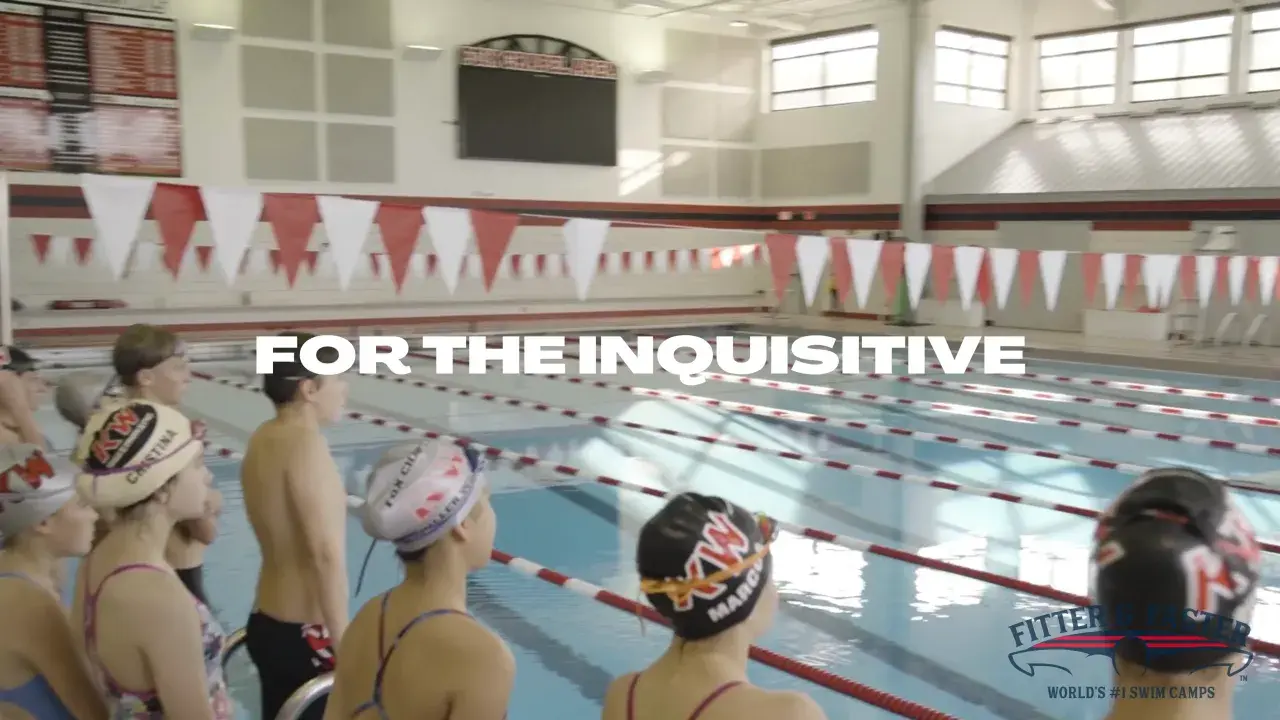
Competitive swim lessons are about much more than swimming harder laps. The right coaching sharpens body position, breathing, turns, starts, and race pacing so a swimmer can move faster without wasting energy. In the UK, the best choice usually depends on age, current stage, and whether the goal is club racing, a cleaner stroke, or a more structured path into competition.
The practical takeaways that matter most
- Technique comes first. Better body line, timing, and efficiency usually produce faster swimming before raw fitness does.
- Good sessions are specific. Warm-up, drill work, race skills, and feedback should all have a purpose.
- Qualifications matter. In the UK, I would look for qualified, DBS-checked instructors and a clear club pathway.
- Format changes value. Group sessions are cheaper, while one-to-one coaching and video analysis cost more but can fix stubborn faults faster.
- Equipment is a support tool. Goggles, fins, pull buoys, and paddles help when they are used with intent, not as a shortcut.
- Progress should be measurable. A good block of coaching leaves the swimmer with repeatable changes, not just a tiring workout.
What these lessons are really for
I see the best race-focused lessons as a bridge between general swimming ability and genuine performance work. They are not just about working harder in the water; they are about making every stroke cleaner, every turn tighter, and every start more controlled. In practice, that means improving the parts of the swim that save the most time: streamlines, catch mechanics, breathing pattern, underwater phase, and pace control.
That is why the phrase competitive swim lessons usually points to something more structured than a casual class. A swimmer may already be comfortable in the water, but still need help with race rhythm, stroke efficiency, or the confidence to train alongside others at a higher level. I would treat that as a technical problem first and a fitness problem second. That difference shapes the session plan, because better coaching starts with diagnosis, not mileage.

How a strong session is structured
A useful session should feel deliberate from the first minute. I want to see a coach who knows what they are trying to change and can explain it in plain language. If the swimmer leaves with one or two clear cues they can repeat, that is usually more valuable than a long list of corrections they will forget by the end of the lane.
| Session block | What it should do | Why it matters |
|---|---|---|
| Warm-up | Easy swimming, mobility, and activation | Prepares the body and reveals how the swimmer is moving that day |
| Skill work | Drills for body position, breathing, kick, or catch | Isolates the part of the stroke that needs attention |
| Main set | Repetitions at a specific pace or effort | Tests whether the new movement holds under fatigue |
| Starts and turns | Dives, push-offs, breakouts, and wall speed | These are often the cheapest places to find speed |
| Feedback | Short, specific coaching points, sometimes with video | Makes the correction easier to remember and repeat |
I like sessions that move from feel to function. For example, a swimmer might do a drill to fix high hips, then repeat the same stroke in a short race-pace set, then finish with turns so the new body line carries into the wall. If a session never connects the drill to real swimming, it can look productive without actually changing performance. Once the structure is clear, the next question is who is qualified to deliver it.
How to choose a coach or club in the UK
In the UK, I would start with the pathway rather than the marketing. Swimmers who are still building core skills usually belong in a club or lesson system that follows the local development route, while older or more advanced swimmers may need a squad or one-to-one coach that focuses on race details. For children, the usual bridge into competition sits around the later Learn to Swim stages, and a Swim England-affiliated club is often the cleanest next step. For adults, Masters swimming is usually the more relevant route.
What I check first is simple: qualification, safeguarding, and whether the coach can explain the plan without hiding behind jargon. A capable coach should be able to tell you what they are fixing, how they will fix it, and how you will know it is working. I also want the swimmer to be in a setting that matches their level. A young swimmer who still needs confidence will not benefit from being thrown into a hyper-competitive lane without enough technical support.
| What to check | Why it matters |
|---|---|
| Qualified instructor or coach | Shows the person understands progression, safety, and session design |
| DBS check and safeguarding culture | Especially important for children and teens |
| Club affiliation or clear pathway | Gives the swimmer a route from lessons into squads and competitions |
| Small enough groups for feedback | Without enough attention, technical work gets watered down |
| Willingsness to use video or stroke analysis | Useful when a swimmer keeps repeating the same error |
If a provider cannot explain the route from current ability to the next stage, I treat that as a warning sign. The right coach makes the swimmer feel challenged but not confused. With the coach sorted, the question becomes what format fits the swimmer and the budget.
What they cost and which format makes sense
Costs in the UK vary a lot by location, pool access, and how specialised the coaching is. As a planning guide, group technical sessions and pre-squad work are often the most affordable way in, while one-to-one coaching and video analysis cost more but can move the needle faster when a swimmer is stuck. I would not judge value by price alone. I would judge it by how much useful change the swimmer can actually hold in the water.
| Format | Best for | Typical UK cost | Main trade-off |
|---|---|---|---|
| Group club or pre-squad session | Ongoing technique, race habits, and team progression | Often around £12 to £19 per lesson, or about £55 per month in some clubs | Less individual attention |
| One-to-one coaching | Stubborn technical faults, race details, confidence issues | Commonly around £46 to £69+ per hour, with some London sessions higher | Expensive if used as the only format |
| Video analysis clinic | Plateaus, stroke mechanics, and precise correction | Often around £145 to £150+ per session or clinic | Best when the swimmer can already hold a basic stroke well |
| Masterclass or camp | Starts, turns, race skills, and a technical reset | Variable, usually higher than regular lessons | Strong supplement, not a replacement for regular training |
If I were choosing purely for value, I would usually start with group coaching or a club squad, then add targeted one-to-one work only when the swimmer hits a specific problem. That way, the expensive hour is spent on a real fix rather than on general fitness. Once the format is right, the small details of kit and habits begin to matter more.
Gear and habits that actually help
The right gear does not make a swimmer fast on its own, but it can make the technical work cleaner. My view is simple: buy the items that improve consistency, and ignore the rest until they solve a real problem. A strong pair of goggles that seals well, a comfortable cap, and training aids used properly will beat a drawer full of gimmicks every time.
- Goggles should fit securely and not leak after the first turn. If the swimmer is distracted by leaks, the session quality drops immediately.
- Caps reduce drag a little and keep hair out of the face, which matters more than most swimmers admit when they are trying to hold a line.
- Fins are useful for body position, ankle mobility, and speed awareness, but they can hide a weak kick if overused.
- Pull buoys help isolate the upper body and the catch, especially when the swimmer needs to feel a cleaner pull path.
- Paddles should be used carefully. They amplify what the hand is doing, which is great for a controlled swimmer and a bad idea for a sloppy one.
- A training log or pace watch helps swimmers see patterns in splits, stroke count, and fatigue, which is where real progress often shows up first.
Outside the pool, I would keep the habits just as practical. Two short dryland sessions a week, built around shoulder stability, core control, and hip mobility, usually help more than one random hard workout. Sleep, hydration, and a simple post-session recovery routine matter too, because a swimmer who arrives fresh will learn faster than one who is always half empty. From there, progress becomes easier to measure instead of guess.
A realistic 12-week improvement block
I do not like the idea that a swimmer should expect everything to change in a month. Good technical change takes repetition, and the body needs time to keep what the mind has learned. A sensible 12-week block gives enough room to fix one or two real issues without turning the swimmer into a completely different athlete.
- Weeks 1 to 4 should focus on the biggest leak in the stroke, usually body position, breathing, or basic timing. The aim is control, not speed.
- Weeks 5 to 8 should add specific race work. This is where the swimmer learns to keep the improved movement while swimming harder and slightly longer repeats.
- Weeks 9 to 12 should sharpen starts, turns, underwater breakout timing, and pace consistency. That is where the new skill starts to look like racing.
For a younger swimmer, I would keep the block narrower: one stroke focus, one turn focus, one breathing pattern. For an older age-group swimmer, I would narrow it by event instead, because a freestyler and a breaststroker do not need the same priorities. The point is not to rebuild everything at once. The point is to make one change stick, then stack the next one on top. That leads to the final check I use before paying for another block.
The details I check before I pay for another block
If I am evaluating a coach, I want to see three things by the end of the first few sessions: a clear technical target, evidence that the swimmer can repeat it, and a simple way to track whether it is holding under fatigue. Without those three pieces, the session may feel busy but it will not compound into better racing.
I also look for honest limits. A good coach will say when a swimmer is not ready for a certain pace, or when a fault is being caused by timing rather than strength. That kind of honesty is useful because it prevents wasted months chasing the wrong fix. It also protects younger swimmers from being pushed into intensity before the basics are stable.
The best outcome is not a perfect stroke on day one. It is a swimmer who understands what changed, can feel the difference, and can reproduce it the next time they get in the water. That is the standard I would use for any race-focused programme: one repeatable improvement, a clear path forward, and no pretend magic.