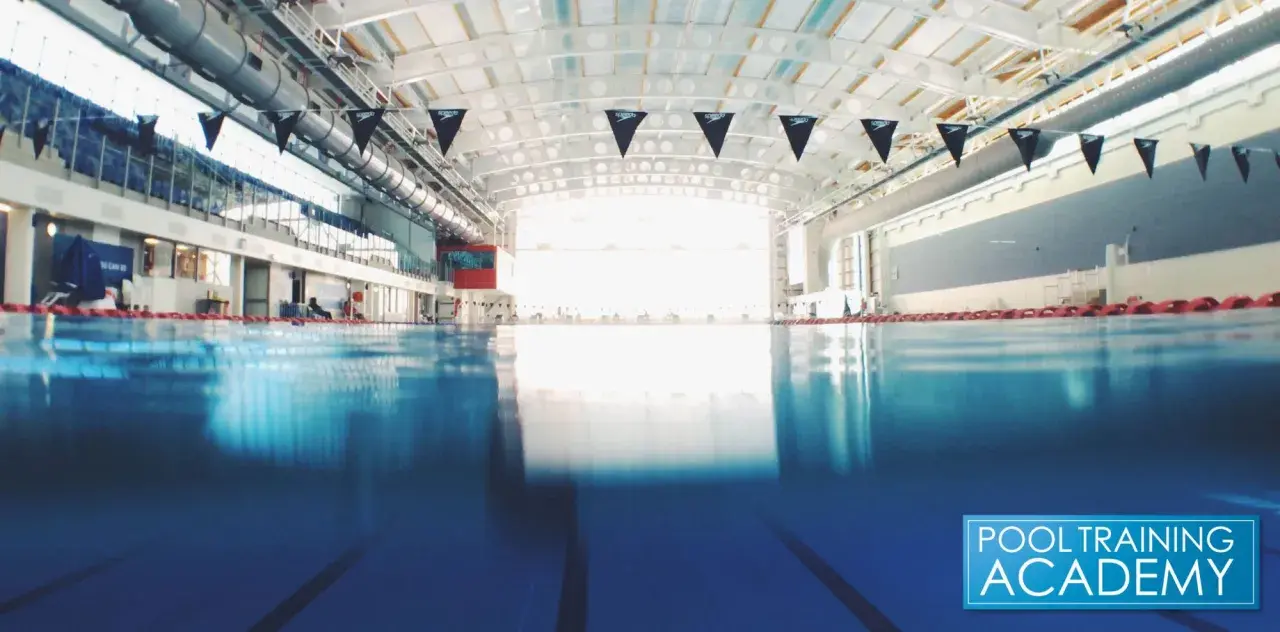
The practical answer is simple: properly treated pool water can inactivate SARS-CoV-2, but chlorine only does its job when the water chemistry, contact time, and venue management are all right. That is the difference between a pool that feels reassuring and one that is actually being run well.
The real answer is about treated water, air quality, and pool management
- Properly chlorinated water can inactivate the virus, but it is not a substitute for ventilation or distancing.
- Free chlorine matters more than smell; pH and contact time affect how well it works.
- Most remaining risk comes from people, not water, especially in changing rooms, queues, and crowded indoor sessions.
- UK pool targets are usually in the low-mg/l range, not a case of “more chlorine is always better”.
- Bleach and pool chlorine are different tools with different jobs and safety rules.
The real answer is about treated water, not magic chlorine
The short answer to does chlorine kill covid is yes, but only when the pool is properly treated and the disinfectant has enough residual strength and time to work. SARS-CoV-2 is an enveloped virus, which makes it more vulnerable to chlorine than many tougher microbes, but that does not mean any chlorine level will do.WHO has been clear that water or swimming does not transmit the virus itself. That distinction matters: the water can be a controlled environment, while the people around it can still create risk through close contact, breathing, coughing, and shared surfaces.
I read that as a useful split. Chlorine can protect the water. It cannot, by itself, control crowding or bad ventilation. That is where the next layer of risk starts.

What proper pool chlorination looks like in practice
In a well-run pool, I care less about a vague “chlorine smell” and more about the numbers on the log sheet. CDC’s aquatic guidance says proper chlorine or bromine disinfection should inactivate the virus in pools, but the real-world answer depends on residual disinfectant, pH, and whether the water is being circulated evenly.
For a conventional UK public pool, the working target is usually around 1.5 mg/l free chlorine with a pH of about 7.0 to 7.4. When the pH rises, chlorine becomes less effective, so a pool that is technically chlorinated can still be underperforming if the chemistry is off.
| Factor | Practical target | Why it matters |
|---|---|---|
| Free chlorine | About 1.5 mg/l in a conventional pool | This is the active disinfectant residual doing the work in the water. |
| pH | Roughly 7.0 to 7.4 | Chlorine works more efficiently when the water stays in this range. |
| Contact time | About 15 to 30 seconds at the right residual | Disinfection is a process, not an instant event. |
| Combined chlorine | Keep it low, ideally under 1.0 mg/l | Higher levels usually point to chloramines, heavy bather load, or weak hygiene. |
| Cyanuric acid | Below 100 mg/l if used; some pools need around 5 mg/l free chlorine | Stabiliser can protect chlorine from sunlight, but it also slows its disinfecting power. |
That last point matters for outdoor or stabilised pools. Stabiliser is useful, but it changes the chemistry enough that I would never treat a low reading as “good enough” just because the water looks clear.
That chemistry matters, but it only handles the water itself. The bigger question is what happens around the pool.
Why a chlorinated pool can still spread infection
Even when the water is well treated, COVID risk does not disappear. The remaining exposure is mostly person-to-person, especially in indoor pool halls, queues, showers, toilets, and crowded changing rooms where air movement is poorer and people stay close for longer.
That is why I would treat the water as the safest part of the venue and the air as the part that deserves more suspicion. If the session is packed, the ventilation is weak, or people are breathing hard in a small indoor space, the chlorine in the pool cannot compensate for that.
- Changing rooms are often higher risk than the pool itself because people compress into a small space.
- Indoor spectator areas can build up exhaled air if ventilation is limited.
- Lane congestion creates close contact even when everyone is technically swimming.
- Shared touch points such as benches, rails, and door handles matter less than air, but they still need cleaning.
So the right question is not only whether the pool is chlorinated. It is whether the whole session is designed to keep people apart long enough for the chemistry to do its job.
Pool chlorine is not the same as bleach on a surface
People often collapse three different things into one idea: pool disinfectant, household bleach, and hand hygiene. They are related, but they are not interchangeable. Pool chlorine is formulated to stay in water at a controlled residual; surface bleach is meant for a specific product label and a specific contact time; neither is something I would use casually on skin, swimwear, or equipment without checking the instructions.
The other trap is over-trusting a strong smell. A heavy chlorine smell usually points to chloramines, which form when chlorine reacts with sweat, urine, and other organic material. In other words, the smell can be a sign of a busier or less well-managed pool, not a cleaner one.
The goal is not more smell. The goal is stable free chlorine, sensible pH, good bather hygiene, and enough ventilation to keep the air comfortable. That is a much better health signal than any splashy first impression.
And one rule is non-negotiable: never mix chlorine products with ammonia or acids. That creates dangerous gases and turns a routine clean-up into an emergency.
How I would judge a pool before getting in
If I were choosing between two pools, I would look for the place that makes its routine visible. A good operator does not rely on guesswork; the chemistry is checked, the water is clear, and the environment does not feel stale.
| What I look at | Good sign | What it suggests |
|---|---|---|
| Test readings | Free chlorine and pH are checked and recorded | The pool is being actively managed, not just maintained by habit. |
| Water quality | Water is clear with no haze or greasy film | Filtration and disinfection are probably working together. |
| Air quality | The room feels fresh rather than steamy or stuffy | Ventilation is doing some real work. |
| Bather hygiene | Showers and handwashing are actively encouraged | Less organic load, better chlorine performance. |
| Space | Lanes are not packed and queues stay small | Lower person-to-person exposure. |
I would also stay out if I felt unwell, had a fever, or was coughing. Chlorine does not turn a bad day into a safe one, and using the pool while sick is unfair to everyone else in the water.
What matters most before your next swim session
In a properly managed pool, chlorine is doing real work and can inactivate the virus in the water. That is reassuring, but it is not the whole story. The water may be the least worrying part of the building; the changing room, the queues, and the air in an overcrowded indoor space usually matter more.
For day-to-day swim health, I would focus on the basics: a sensible free-chlorine reading, pH in range, clear water, clean showers, and indoor spaces that do not feel stale or crowded. So the answer to does chlorine kill covid is yes in treated water, but the real-world outcome still depends on how the whole facility is run.
If those conditions are present, chlorine is one useful layer of protection. If they are missing, the pool may still look inviting, but I would not treat it as a low-risk environment.