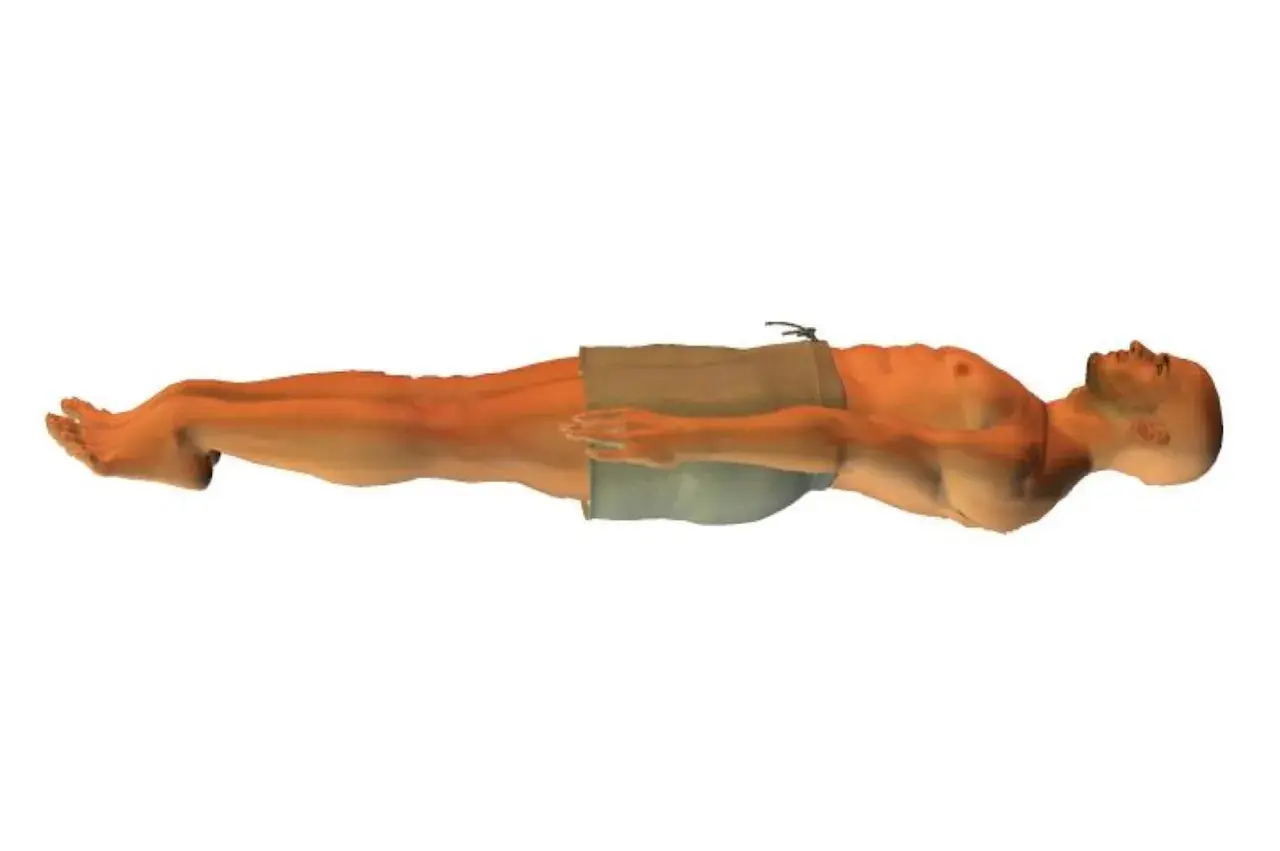
Elementary backstroke is the stroke I reach for when I want a swimmer to feel calm, breathe easily, and move with control on the surface. It uses a face-up body position, a symmetrical arm action, and a breaststroke-style kick, so it is much easier to coordinate than a racing stroke. In this article, I break down how it works, how to swim it cleanly, where it helps most, and the mistakes that usually waste energy.
The stroke is simple, but the timing decides whether it feels smooth or clumsy
- It is a back-floating stroke with simultaneous arm movements and a whip-style kick.
- The face stays out of the water, so breathing is natural and stress is lower.
- In U.S. lesson progressions, it is commonly treated as a beginner or stroke-development skill, often around a 25-yard benchmark.
- The rhythm works best as a steady pull, a compact kick, and a brief glide.
- It is useful for confidence, recovery, and energy conservation, but not for speed or rough open water.
What elementary backstroke is and where it fits
I think of elementary backstroke as a confidence stroke. The swimmer lies on the back, keeps the body near the surface, and uses synchronized arm movements with a symmetrical kick to move forward without needing to submerge the face. That makes it especially friendly for beginners, nervous swimmers, and anyone who wants a low-stress way to travel through the water.
What separates it from more advanced strokes is not just speed, but purpose. The stroke is designed for comfort, control, and basic propulsion, which is why it shows up in many learn-to-swim programs early on. In Red Cross training materials, it appears as a stroke-development skill rather than a race stroke, and that framing is exactly right. It teaches body awareness, buoyancy, and timing before asking for efficiency.
That distinction matters, because it explains why the stroke feels calm rather than fast, which is where the mechanics come in.
How the stroke moves in the water
The movement pattern is deliberately symmetrical. Both arms work together, both legs work together, and the swimmer stays on the back the whole time. I like that simplicity because it removes a lot of the coordination problems that beginners run into with alternating-arm strokes.
Body position
The body should stay long and near the surface, with the chest relaxed and the hips supported by the water. If the head lifts too high, the legs sink and the stroke gets harder immediately. I cue swimmers to keep the chin neutral and let the water hold them instead of fighting for balance.
Arm action
The arms move in a synchronized pattern. Different teaching systems describe the exact path a little differently, but the essential idea is the same: both arms sweep together in a smooth, even motion, then return to the starting position without twisting the body. There should be no frantic windmilling and no pause that breaks the rhythm.
Read Also: Float Better - Master Buoyancy for Safer, Easier Swimming
Kick and glide
The kick is a whip or breaststroke-style kick. The heels draw up, the feet turn outward, and the legs snap together to finish the drive. That snap is the real propulsion. The glide that follows is short and controlled, not a dead stop. If the glide disappears, the swimmer is usually rushing the arms or kicking too softly.
Once that rhythm makes sense, the easiest way to learn it is to break the motion into steps.
A simple way to swim it step by step
- Start with a relaxed back float. Keep the face up, the ears near the water, and the body as long as possible.
- Set the arms in a comfortable starting position, usually near the thighs or slightly out to the sides.
- Sweep both hands together in a smooth, symmetrical pull while staying balanced on the back.
- As the arms finish, bring the heels up, turn the feet outward, and complete a firm whip kick.
- Let the legs snap together and hold a brief glide before starting the next cycle.
- Repeat at an even pace instead of trying to force distance with one big effort.
If I am teaching this stroke, I usually ask swimmers to practice each part separately before linking them. That approach keeps the movement from collapsing into a rushed, messy version that feels harder than it should.
Once the pattern is stable, the next job is to strip out the habits that make it inefficient.
The mistakes that make it feel awkward
- Using a flutter kick instead of a whip kick. This is the most common error, and it usually turns the stroke into a slow, tiring grind.
- Letting the knees open too wide. A narrow, controlled kick is more efficient than a big frog kick that drags the body down.
- Lifting the head to look around. That breaks the body line and makes the hips sink.
- Pulling with one arm more than the other. Even slight asymmetry can make the swimmer veer or wobble.
- Skipping the glide. If every stroke starts immediately after the kick, the swimmer loses the clean rhythm that makes the stroke easy.
- Trying to swim it fast. Elementary backstroke is not meant to feel explosive; it is meant to feel controlled.
Most of these errors are really body-position problems, not strength problems. Once the swimmer understands that, the stroke improves much faster than people expect.
Elementary backstroke versus back crawl
People often confuse elementary backstroke with competitive backstroke, but they are not the same thing at all. One is a beginner-friendly, symmetrical survival stroke; the other is a faster race stroke with alternating arms and a continuous flutter kick.
| Feature | Elementary backstroke | Back crawl |
|---|---|---|
| Body position | Face up, relaxed, and symmetrical | Face up, more streamlined and active |
| Arm action | Both arms move together | Arms alternate |
| Kick | Whip or breaststroke-style kick | Continuous flutter kick |
| Breathing | Effortless because the face stays out of the water | Easy, but rhythm and rotation matter more |
| Main use | Beginner skill, comfort, recovery, and water safety | Distance swimming, speed, and competition |
| Learning difficulty | Lower coordination demand | Higher coordination demand |
I like this comparison because it clears up a common misunderstanding: elementary backstroke is not a slow version of back crawl. It is a different tool for a different job. Once you see it that way, the stroke becomes more useful, not less.
When I would use it and when I would not
I would use elementary backstroke when the goal is calm movement, not speed. It is useful for beginner lessons, recovery after hard effort, and any situation where a swimmer wants to stay on the back and keep breathing easily. That is one reason many U.S. programs keep it in their lesson progressions around the 25-yard level: it proves that a swimmer can coordinate body position, kick, and breathing without losing composure.
I would also use it when I want a swimmer to understand how kick timing affects balance. The stroke is a quiet teacher. If the kick is late, the body stalls. If the kick is too wide, the body sinks. If the arms rush ahead, the rhythm disappears. Those feedback loops help beginners learn faster than a more complex stroke sometimes can.
But I would not use it as a replacement for back crawl when distance, pace, or lane efficiency matters. It is also a poor choice in choppy water, surf, or any setting where you need to see where you are going. In those conditions, the comfort advantage shrinks and the slower speed becomes a real limitation.
That is also why I still treat it as a meaningful skill rather than a throwaway beginner drill.
What I would focus on in the first practice session
If I had only one pool session to clean up elementary backstroke, I would focus on three things before anything else: a stable back float, a narrow whip kick, and a quiet head. Those three cues solve most of the problems I see in new swimmers.
- Float first. If the swimmer cannot relax on the back, the stroke will always feel rushed.
- Finish the kick. The legs need to snap together cleanly before the next pull starts.
- Keep the body line long. A compact, balanced shape moves better than a tense, arched one.
- Use the glide. A short glide gives the stroke its calm, controlled feel.
In practice, I look for 10 to 15 smooth strokes before I worry about speed. If the swimmer can keep the rhythm, stay level, and avoid twisting through the shoulders, the stroke is already doing its job. That is the real value of elementary backstroke: it gives beginners a way to move with confidence before they ever try to move with power.
