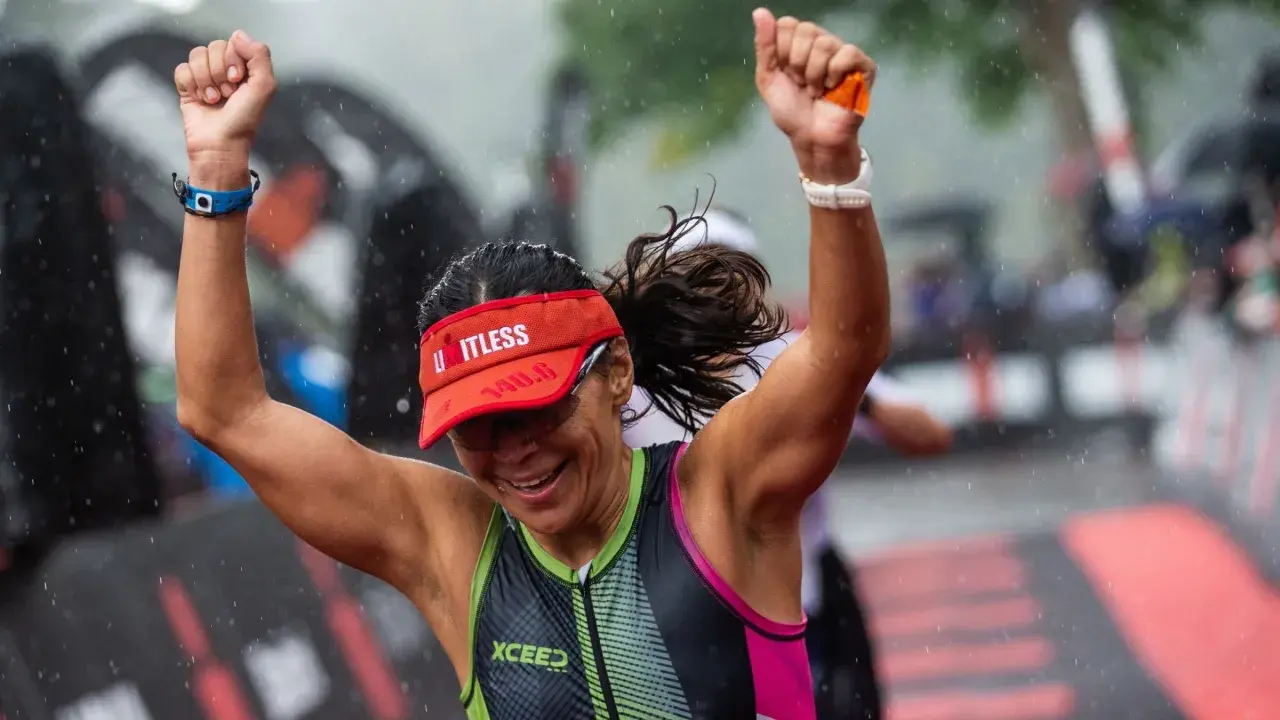
The ironman length is the full-distance triathlon format built around a 2.4-mile swim, 112-mile bike, and 26.2-mile run. I like to think of it as three endurance problems stacked together, because that is how athletes actually experience it: the swim sets the tone, the bike shapes the marathon, and the marathon exposes every pacing mistake. In this article, I break down the distance, what it means in practical terms, and how to approach it if you care about finishing strong rather than just surviving.
Key facts to keep in mind before you plan training or registration
- Full distance: 2.4-mile swim, 112-mile bike, 26.2-mile run.
- Total race distance: 140.6 miles, or about 226 km.
- Transitions matter: T1 and T2 count toward your overall finish time even though they are not part of the leg distances.
- Time pressure is real: Many full-distance events use an overall cutoff around 17 hours, but course rules vary.
- Swim takeaway: Efficient open-water technique usually matters more than raw speed on paper.

How the race is built from swim to finish
According to IRONMAN, a full-distance race covers 140.6 miles, or 226 km. That total comes from three legs done in order, and the order matters as much as the distance itself because fatigue carries forward from one segment to the next.
| Leg | Miles | Kilometers | What it demands |
|---|---|---|---|
| Swim | 2.4 | 3.8 | Calm breathing, straight-line swimming, and open-water control |
| Bike | 112 | 180 | Aerobic patience, steady power, and disciplined fueling |
| Run | 26.2 | 42.2 | Durability, pacing, and the ability to keep moving when tired |
| Total | 140.6 | 226 | A long day where decisions matter more than heroics |
That structure is why transitions deserve more respect than beginners usually give them. T1 is the move from swim to bike, and T2 is bike to run; neither adds to the advertised leg distances, but both affect your final time and your mental rhythm. I never treat the swim as a warm-up, because the first leg is already part of the race strategy, not just the start line.
Once you understand the structure, the next question is obvious: why does the swim matter so much if it is the shortest leg?
Why the swim leg matters more than the distance suggests
The swim is only 2.4 miles, but it is the only leg where breathing rhythm, visibility, contact, temperature, and race-day nerves hit at once. In open water, a swimmer can lose meaningful time without ever feeling dramatically slower, simply by zig-zagging, starting too hard, or failing to settle into a stable draft behind other athletes. Drafting means swimming in the wake of another athlete to reduce resistance, and it can save energy if you stay legally positioned and controlled.
I would not overvalue pool speed here. A swimmer who keeps a clean line, sights efficiently, and stays relaxed in the first ten minutes often exits the water in a better state than someone who is faster in a lane but panics when the field compresses. Sighting, for example, is the quick lift of the eyes to check direction without breaking rhythm; it sounds minor, but over long open-water courses it can save a lot of wasted distance.
- Going out too hard: this spikes heart rate before the bike even begins.
- Poor sighting: extra meters add up fast over 2.4 miles.
- Ignoring conditions: chop, glare, current, and cold water can change effort level immediately.
- Not practicing wetsuit swimming: if a wetsuit is allowed, it changes body position and comfort enough to deserve rehearsal.
What training looks like when you respect the distance
Full-distance preparation is not one heroic block of fitness. It is months of repeatable work that teaches the body to swim, ride, and run in a tired state without falling apart. If I were building a first-time plan, I would want regular swim sessions, long aerobic bike rides, controlled brick workouts, and enough recovery to repeat quality training week after week instead of chasing one perfect day.
Swim with purpose
For the swim, the goal is durable technique, not just more meters. I like sessions that combine aerobic volume with short race-pace efforts, because that is closer to reality than endless easy laps. Practice swimming straight, breathing under pressure, and finishing strong after a long set so the first leg feels familiar instead of chaotic.
Build bike durability
The bike is where many athletes either bank too much fatigue or hide from the work entirely. Long rides should teach you how to hold steady effort, stay comfortable in position, and eat and drink without turning the day into a gut test. This is also where a brick workout helps: it is a back-to-back bike and run session that teaches your legs how to respond when you dismount and start running with heavy legs.
Make the run honest, not heroic
I would rather see an athlete finish their key long runs feeling controlled than heroic. The marathon after 112 miles is not the place to prove fitness. It is the place to prove that your pacing, durability, and fueling were right all day. If your long-run quality depends on surviving it, the race will probably feel the same way.
Read Also: Apple Watch Series 2 for Triathlon - Is It Still Enough?
Test gear and nutrition before race day
Long-course racing punishes improvisation. Test the goggles you plan to use, the wetsuit or swim kit you plan to race in, the bike nutrition you can actually tolerate, and the anti-chafe routine that keeps you comfortable after hours of movement. The best race-day gear is the gear that disappears, because it never becomes the story.
When that training base is in place, the next limit is usually not fitness but how well you pace and fuel the day.
Pacing and fueling decide the second half
The bike is where many athletes accidentally turn a finish into a survival exercise. If you ride too hard early, the marathon gets expensive very quickly; if you under-fuel, the last hours become a slow negotiation with energy, mood, and cramps. The smarter approach is intentionally boring: stable effort, early calories, enough fluid, and a plan you have already rehearsed in training.
| Segment | What usually works | Common mistake |
|---|---|---|
| Swim | Start controlled, settle breathing, and avoid panic | Sprinting the first few minutes and spiking effort |
| Bike | Hold back slightly and fuel consistently | Chasing speed or skipping nutrition to “feel light” |
| Run | Protect cadence and keep moving in manageable chunks | Trying to make up time too early in the marathon |
Most long-day problems start on the bike, not on the run. That sounds counterintuitive until you watch athletes who feel great at mile 30 of the bike and miserable at mile 8 of the marathon. The honest truth is that pacing is rarely exciting, but it is usually the difference between a controlled finish and a long walk. Once that is clear, it becomes easier to compare the full-distance race with shorter triathlon options.
How full distance compares with 70.3 and shorter races
The full-distance event is not the only serious triathlon format. IRONMAN 70.3 is the half-distance race: 1.2-mile swim, 56-mile bike, and 13.1-mile run. It is still a demanding endurance day, but the training load, recovery cost, and pacing errors usually feel more manageable than the full 140.6-mile race.
| Race type | Swim | Bike | Run | Total | Best for |
|---|---|---|---|---|---|
| Full IRONMAN | 2.4 mi | 112 mi | 26.2 mi | 140.6 mi | Athletes ready for a months-long build and a true all-day challenge |
| IRONMAN 70.3 | 1.2 mi | 56 mi | 13.1 mi | 70.3 mi | A strong bridge race for athletes building toward full distance or wanting a serious but more manageable goal |
70.3 is half the distance, but it is not half the commitment in a simple way. The bike still needs respect, the run still rewards restraint, and the swim still rewards efficiency. If you come from swimming, 70.3 is often the cleanest entry point because your technique matters immediately, but you still get enough room to learn the bike and fueling side before stepping up. That choice matters, because the biggest mistakes usually appear when first-timers underestimate how much long-course racing hides behind the headline distance.
What first-timers usually underestimate
The first mistake is assuming the advertised distance is the whole difficulty. It is not. The real challenge is the combination of open-water stress, long hours in position, course profile, weather, nutrition, and the mental drag of starting the run after a very long bike ride.
- Transitions: both T1 and T2 feel simple until you are tired, wet, and trying not to waste time.
- Course conditions: heat, wind, hills, current, and chop change the effort level more than the brochure suggests.
- Nutrition testing: race day is a bad time to discover that a product your stomach dislikes tastes good in training.
- Cutoffs: many full-distance events use a 17-hour overall limit, and some also enforce intermediate deadlines on the swim or bike.
- Bike fit: a saddle or position problem on the bike becomes a running problem later, often when it is hardest to fix.
From an athlete-development perspective, I think this is the most useful mental shift: long-course triathlon is less about proving toughness than about removing surprises. The less you leave to race-day improvisation, the more the day feels manageable. That brings me to the most practical takeaway of all.
What matters most when the goal is a finish
If the goal is your first finish, I would focus on three things and ignore the noise around everything else: swim efficiently, bike conservatively, and practice fueling until it feels automatic. Those are the levers that change the day the most.If you come from swimming, your advantage is not just in the water. It is in how calmly you can start the race, how cleanly you can handle the first transitions, and how much energy you preserve for the bike and run. Build that calm first hour, respect the middle of the race, and the full-distance day becomes far more predictable than the headline distance makes it sound.
