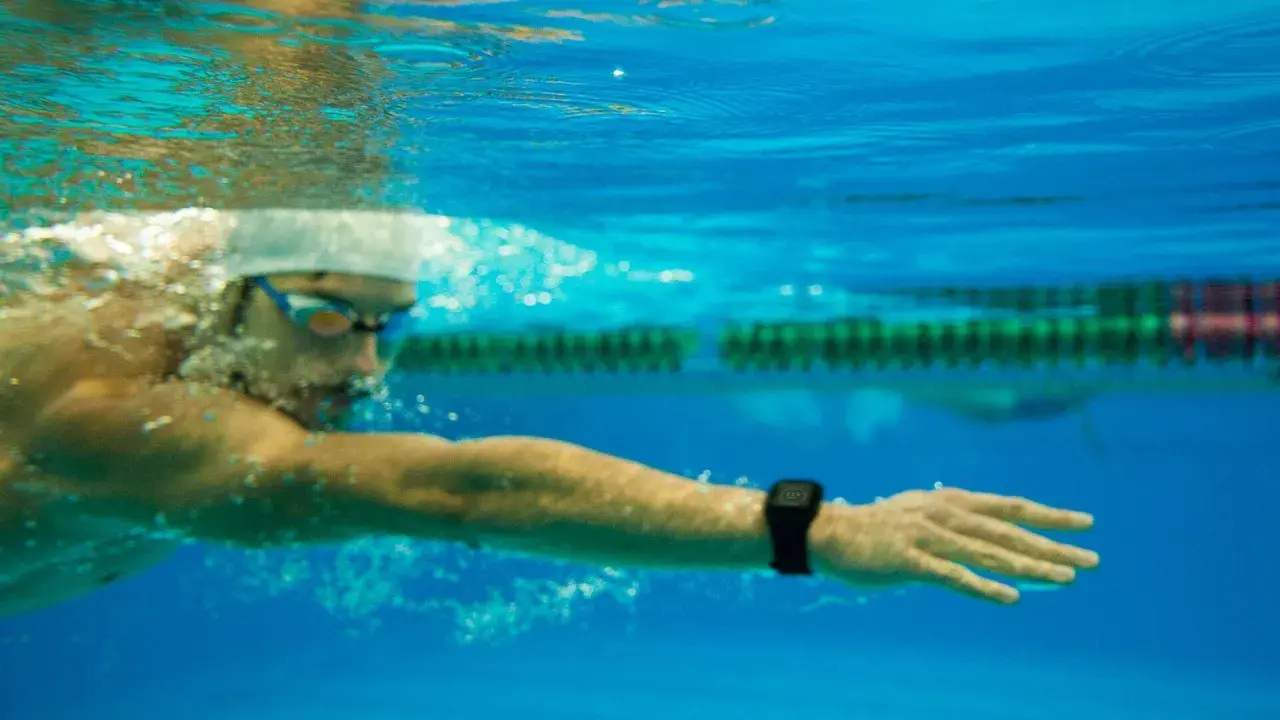
A long distance swim is less about brute force than about managing pace, body position, and energy over time. In my experience, the swimmers who finish strong are the ones who train the engine, rehearse open-water skills, and respect fueling long before they feel empty. This article breaks down what actually matters in the pool and in open water so you can swim farther with less waste and less guesswork.
The fastest route to better endurance is a calmer stroke, smarter pacing, and planned fueling
- Most long swims are lost by pacing mistakes before fatigue becomes the real problem.
- Pool work still does most of the heavy lifting, but open-water practice changes race-day confidence.
- Once a swim lasts past 60 to 90 minutes, fueling matters as much as fitness.
- Sighting, drafting, water temperature, and gear can save more energy than one more hard set.
- Threshold work belongs in the plan, but only as part of a bigger aerobic base.
What a long-distance swim really asks of your body
When I think about endurance swimming, I do not think about one heroic effort. I think about layers: aerobic capacity, stroke economy, and the ability to stay calm when the water stops behaving like a pool lane. A swimmer who looks strong for 10 minutes can still fall apart at 40 minutes if the pacing is sloppy or the technique leaks too much energy.
That is why distance work is never just “more yards.” It is the ability to hold a useful pace, keep the stroke shape intact, and make better decisions when the body starts asking for shortcuts. I also like to break longer efforts into chunks. A 5K feels very different when you think in 500-meter blocks instead of one endless stretch.
| Distance or time | What usually decides the outcome | What I prioritize first |
|---|---|---|
| 1 to 2 miles or about 30 to 45 minutes | Breathing rhythm, relaxed pacing, clean body position | Stay smooth and avoid early surges |
| 5K or about 60 to 90 minutes | Threshold pacing, sighting, and the first real fueling choices | Hold form under mild fatigue |
| 10K and beyond or 2+ hours | Fueling, temperature management, navigation, and mental segmentation | Keep the effort repeatable, not heroic |
Once you understand what the distance is asking of you, the next step is building fitness in a way that actually survives the later stages of the swim.
How I build endurance in the pool
I build most distance swimmers in the pool first, because the pool lets me control the variables. US Masters Swimming suggests that serious open-water preparation often includes three to four weekly pool workouts of 3,000 to 4,500 yards or meters each, plus one to two open-water sessions of one to two hours. That ratio makes sense to me: the pool develops repeatable fitness, and the open water teaches you how to use it when conditions get messy.
I want a mix of steady aerobic work, threshold sets, and a little speed so the stroke stays awake. Threshold pace is the hard-but-repeatable pace you can sustain without redlining. A simple way to train it is with shorter repeats and modest rest, not endless grinding.
| Session type | Example | Why it matters |
|---|---|---|
| Aerobic base | 3 x 800 steady with short rest | Builds the ability to hold form for a long time |
| Threshold work | 10 x 100 at CSS with 10 to 15 seconds rest | Teaches you to swim near race effort without blowing up |
| Speed touch | 12 x 50 fast with full recovery | Keeps turnover and power available late in the swim |
| Open-water skills | 20 to 40 minutes with planned sighting and drafting practice | Trains navigation, rhythm, and comfort in real conditions |
| Dryland support | 15 to 25 minutes for shoulders, core, hips, and thoracic mobility | Helps posture and reduces late-race breakdown |
CSS, or Critical Swim Speed, is the fastest pace you can hold steadily with good form, not an all-out sprint. I like it because it gives swimmers an honest training target without turning every workout into a time trial. If the aerobic work is the base and CSS is the ceiling, the real race-specific skill is making the stroke efficient enough to use both.
Once the engine is in place, stroke economy decides how much of that fitness survives past the first hard hour.
Stroke details that save energy when fatigue rises
Distance swimming rewards a stroke that looks almost boring. I want the head quiet, the hips high, and the hands entering cleanly instead of muscling through the water. The goal is not a prettier stroke for its own sake; it is to spend less oxygen on every length.
Keep the line long
Body position matters more than most swimmers admit. If the head rides too high, the hips sink and the drag goes up immediately. I tell swimmers to think about length first: one long line from fingertips through the heels, with only enough kick to keep the body balanced.
Breathe without breaking rhythm
Breathing should fit the stroke, not fight it. If every breath causes the body to twist, the legs to scissor, or the hand entry to wobble, the effort gets expensive very quickly. A controlled two-beat or relaxed six-beat kick can both work well if they preserve rhythm.
Sight less, but sight better
In open water, forward sighting is a skill, not a comfort habit. I like swimmers to practice lifting the eyes briefly instead of lifting the whole head, and to extend the time between sights as they get more confident. US Masters Swimming suggests gradually building toward 20 to 30 strokes before a forward look in practice, which is a good way to stop over-sighting and stay streamlined.
Read Also: Yoga for Swimmers - Boost Performance & Recovery
Draft when the course allows it
Drafting means swimming close enough to another swimmer that you gain from the wake they create. Done well, it can reduce wasted effort dramatically; US Masters Swimming notes research suggesting energy savings of nearly 40 percent. That is not a trick for every situation, but in a crowded open-water field it can be the difference between hanging on and swimming with control.
Efficient technique matters in any lane, but open water adds temperature, visibility, and equipment choices that can change the entire effort.

Gear and conditions that can make or break the day
I keep the kit simple, but I do not treat it casually. A goggle leak, the wrong lens tint, or a suit that rubs in the wrong place can cost more energy than a whole interval set. USA Swimming’s open-water essentials list points to the same boring truth I see in practice: the important pieces are the ones that keep you visible, comfortable, and legal for the venue.
| Factor | What I look for | Why it matters |
|---|---|---|
| Goggles | Clear lenses for cloudy water, tinted lenses for bright sun, a leak-free fit | One small leak can turn focus into frustration fast |
| Swim cap | Bright colors, and in cold water sometimes two caps | Improves visibility and can help with warmth |
| Wetsuit | Use it if rules allow and the temperature justifies it | Adds warmth and buoyancy, but only if you train in it first |
| Tow buoy | A visible float for training swims where allowed | Improves safety and gives you a place for essentials |
| Water temperature | Check it before you swim, not after you are already cold | Cold changes breathing, stroke feel, and decision-making |
| Wind, chop, and current | Notice how the course will change your line and effort | Your watch pace can lie if the water is moving you around |
In the U.S., many events strongly encourage wetsuits somewhere around 50 to 65°F, but the exact rule always depends on the event. I treat that as a reminder to check the venue, not a universal law. I also never ignore sunscreen or anti-chafe on long swims; both are small details that protect concentration, especially when the swim gets extended.
With the setup handled, the next variable is what you put in your body before and during the effort.
Fuel and hydrate before the tank runs empty
For swims that run longer than about 60 to 90 minutes, I plan to feed rather than hope I can coast on the fuel I started with. A practical starting point is 30 to 60 grams of carbohydrate per hour, and well-trained swimmers doing longer efforts can work toward 60 to 90 grams per hour if their gut tolerates it. The key is to practice that plan in training, not discover your stomach’s limits on race day.
- Before the swim: I like a carb-focused meal 2 to 4 hours beforehand, kept low in fiber and not too fatty, so digestion stays predictable.
- During the swim: I prefer small, repeatable feeds every 20 to 30 minutes instead of one big intake. Liquid nutrition is usually easiest because chewing is not realistic once the effort is underway.
- After the swim: I try to replace fluids and take in a mix of carbohydrate and 20 to 40 grams of protein within the next couple of hours.
Hydration is easy to underestimate in swimming because you do not feel sweat the same way you do on land. In warm water, though, fluid and sodium losses still add up. I have seen swimmers cramp or fade simply because they waited too long to start drinking, or because they changed fuel plans on race day and asked their gut to improvise.
Even with good fueling, small execution errors can waste more energy than the workout itself, which is why I pay so much attention to the mistakes swimmers repeat.
The mistakes I see most often
- Going out too hard. The first five minutes feel great, then the second half becomes a survival exercise. I would rather see a swimmer start slightly conservative and finish with options.
- Training only in straight pool lanes. Pool fitness matters, but without sighting, turns, and drafting practice, open water feels much harder than it needs to.
- Using new gear on race day. Fresh goggles, a new wetsuit, or a brand-new feed plan can create problems that have nothing to do with fitness.
- Overkicking. A huge kick may feel powerful, but in longer swims it often drains the legs without adding much speed. I want efficiency first.
- Waiting too long to refuel. Once the tank is empty, catching back up is hard. Feed early enough that you never feel desperate.
- Ignoring cold water. Cold changes breathing, hand feel, and concentration. If the water is cool, I want a deliberate warmup and a realistic pacing plan.
If you remove those leaks, a long endurance swim becomes much more manageable than most swimmers expect. The final step is deciding what to prioritize first so the training actually adds up.
What I would prioritize for a first endurance event
If I were building toward a first open-water event, I would keep the plan simple. I would choose one realistic distance, one weekly threshold session, one longer aerobic swim, and one open-water practice block where I could rehearse sighting, breathing, and feeding. I would also test every piece of gear in training, because comfort and confidence are worth more than novelty.
Most of all, I would measure success by how calm the second half feels. If the stroke stays long, the breathing stays controlled, and the pace remains repeatable, you are doing the right work. That is the point where distance stops feeling like a guess and starts feeling like a skill.