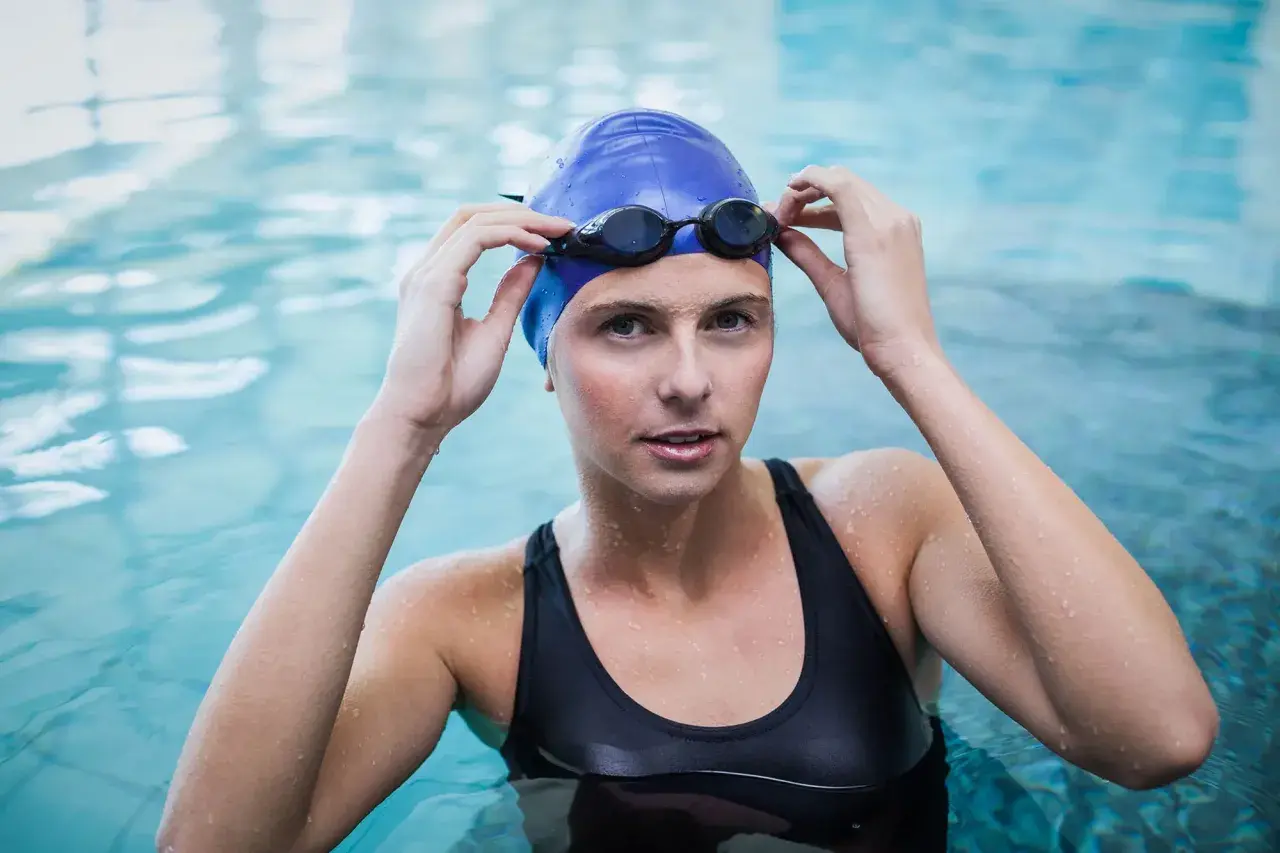
Training in the pool burns more fuel than many athletes expect, especially when sessions are long, early, or paired with dryland work. This article breaks down what swimmers eat before training, during long sets, and after hard sessions, with a focus on energy, recovery, hydration, and race-day comfort. I keep the advice practical: what works in real schedules, what is easy on the stomach, and what actually helps performance.
The essentials at a glance
- Carbohydrate is the main fuel for repeated efforts and hard aerobic work in the pool.
- Protein matters, but it should support recovery instead of replacing carbs on the plate.
- The closer training gets, the simpler and lower-fiber the food should be.
- Long practices and meet days often need carbs during the session, not only before and after.
- Hydration starts before you feel thirsty, and sodium helps on longer or hotter training days.
- Undereating usually shows up as flat workouts, slow recovery, and more frustration than people expect.
What a swimmer's plate should look like
For most training days, I want carbohydrate to do the heavy lifting on the plate. Rice, potatoes, pasta, oats, bread, fruit, milk, and yogurt keep glycogen stores up, which matters because repeated sprint sets and long aerobic work both draw from that reserve. Protein should show up at every meal, but it should support the meal rather than dominate it: chicken, eggs, fish, tofu, Greek yogurt, cottage cheese, and beans all work well.
Fat is still useful, especially for calorie density on big-volume days, but it should stay moderate around key sessions because very fatty meals digest slowly. Fiber is similar: great for overall health, less useful right before hard water time. In a training phase with high mileage, I usually think in grams rather than percentages, with many athletes landing around 5 to 8 g of carbohydrate per kilogram of body weight per day, and more on especially demanding blocks.
That is why the rest of the day matters as much as the pre-practice snack, because the meal pattern sets up the next workout.
What to eat before a swim session
The closer the session, the simpler the food should be. A fuller meal 2 to 4 hours before swimming works best when it is carb-heavy, moderate in protein, and low in fat and fiber. If there is less time, switch to a smaller snack so you do not show up full, sluggish, or dealing with stomach bounce in the first set.
| Timing | What works best | Easy examples |
|---|---|---|
| 2 to 4 hours before | A real meal with carbs as the base, plus a moderate amount of protein | Oatmeal with banana and milk, rice with chicken, bagel with eggs and fruit |
| 60 to 90 minutes before | A lighter, low-fiber snack | Banana, toast with jam, granola bar, applesauce pouch, pretzels |
| 15 to 30 minutes before | Only if needed and only if the stomach tolerates it | Sports drink, chews, half a banana, a few sips of a carb drink |
I avoid greasy, very spicy, and high-fiber meals before the pool because they are the usual reason athletes feel heavy or crampy once the main set begins. Morning practices are the trickiest, so a bagel, banana, toast with jam, or oatmeal is often better than skipping food and hoping adrenaline does the rest. If a swimmer gets nausea easily, I would test the same two or three safe foods in training and keep race day boring.
Once the pre-swim window is set, the next question is how to keep energy from dipping in long sets or across a whole meet day.
How to fuel during long practices and meet days
For sessions that run past about 75 to 90 minutes, or for meet days with multiple events, I start thinking about carbohydrate intake during the session. Easy options such as a sports drink, bananas, applesauce pouches, pretzels, chews, or a simple low-fiber bar are easier to digest than a heavy meal, and they can keep output steadier when fatigue would otherwise creep in. A practical target for many athletes is about 30 to 60 g of carbohydrate per hour in long, hard work, but the real test is whether the stomach tolerates it.
- Short, lower-intensity practice: water is often enough.
- Long or intense practice: use a carb-containing drink or snack between sets.
- Meet day with long gaps: rely on small, repeated snacks instead of one big meal.
I like this section to stay simple because more food is not automatically better. The best in-session fuel is the one you can repeat without upsetting the next rep, which is why recovery timing matters just as much as what you bring to deck.
What to eat after training to recover faster
Recovery starts with the first meal after the session, not the last lap. A practical target for most swimmers is 20 to 40 g of protein plus a solid carbohydrate source, especially after hard intervals or double-session days. Chocolate milk, turkey on bread, Greek yogurt with granola and fruit, a rice bowl with eggs, or a burrito with beans and chicken all work because they restore fuel and give the muscles raw material to repair.
If the next workout is within about 8 hours, I push carbohydrates harder, because glycogen restoration becomes the priority. If the next session is tomorrow, recovery can be a little more flexible, but it should still happen soon enough to keep hunger and energy from swinging wildly later in the day. Protein is important, but it is not a substitute for carbohydrate after swimming.
When training volume climbs, the athletes who recover best are usually the ones who refuel early instead of waiting until dinner by default.
Hydration and electrolytes deserve their own plan
Swimmers still sweat, even if the pool masks it. I treat hydration as part of training, not as an afterthought, because being even mildly underhydrated can make hard efforts feel flatter and recovery feel slower. A common starting point is to drink about 16 to 20 ounces of fluid a couple of hours before training, then keep taking small sips as the session allows instead of trying to catch up at the end.
For short sessions, water is usually enough. For long, hot, or double-session days, a sports drink can be more useful because it replaces fluid, sodium, and carbohydrate at the same time. Sodium matters more than many swimmers realize; it helps the body hold onto fluid instead of sending it straight through. I would not force huge amounts of plain water on meet day if the events are long; balance matters.
I also like simple feedback: pale-yellow urine through the day, no big pre-practice thirst spike, and not losing much body weight across a hard session. If an athlete drops about 1 pound after practice, that is roughly 16 ounces of fluid to replace over time. If the drop is larger and repeated, the issue is probably the drinking plan, not the pool temperature.
Once fluid intake is steady, the whole day becomes easier to fuel, which is why a sample menu can help put the pieces together.
A simple day of eating for swim training
Here is the kind of day I would build for an athlete with an afternoon practice and no major stomach issues. Portions still need to match body size and training load, but the structure stays useful because it spreads fuel across the day instead of trying to rescue a session with one giant meal.
| Time | Meal or snack | Why it works |
|---|---|---|
| Breakfast | Oatmeal with milk, banana, peanut butter, and two eggs | Starts the day with carbs and adds enough protein to steady hunger |
| Mid-morning snack | Greek yogurt with berries and granola | Keeps energy up without feeling heavy |
| Lunch | Turkey sandwich, fruit, and pretzels | Easy school-day fuel with a carb base |
| Pre-practice snack | Bagel with honey or jam, or a banana and sports drink | Quick energy that is usually gentle on the stomach |
| Post-practice recovery | Chocolate milk, then a rice bowl or burrito later | Starts recovery immediately and finishes the job with a real meal |
| Dinner | Salmon, potatoes, vegetables, and bread | Restores fuel and supports repair after the day’s work |
What matters here is the rhythm. A swimmer who eats every 3 to 4 hours is usually less likely to crash before practice, overeat at night, or show up to the pool hungry enough to make a bad choice in the vending machine line. That rhythm breaks down fast when a few common habits creep in.
The few habits that make swim nutrition work day after day
- Do not let protein crowd out carbohydrate.
- Do not wait until you are starving to eat.
- Do not use race day to test a new breakfast, bar, or sports drink.
- Do not assume thirst will arrive early enough to protect performance.
- Do not treat low appetite during heavy training as normal if recovery, mood, or energy are slipping.
When I simplify the whole topic, that is the framework: fuel the work, protect the stomach, and recover early enough to be ready for the next session. If a swimmer keeps those three ideas in place, the details become much easier to adjust around school, practice time, and the meet schedule.
If appetite keeps lagging, weight changes unexpectedly, or recovery is worsening, I would not try to power through it. A sports dietitian can tighten the plan, especially for teen swimmers and athletes training twice a day, and that support is often more useful than another supplement. The real edge is consistency: enough carbs to train hard, enough protein to repair, and enough fluid to keep the next session from feeling harder than it should.