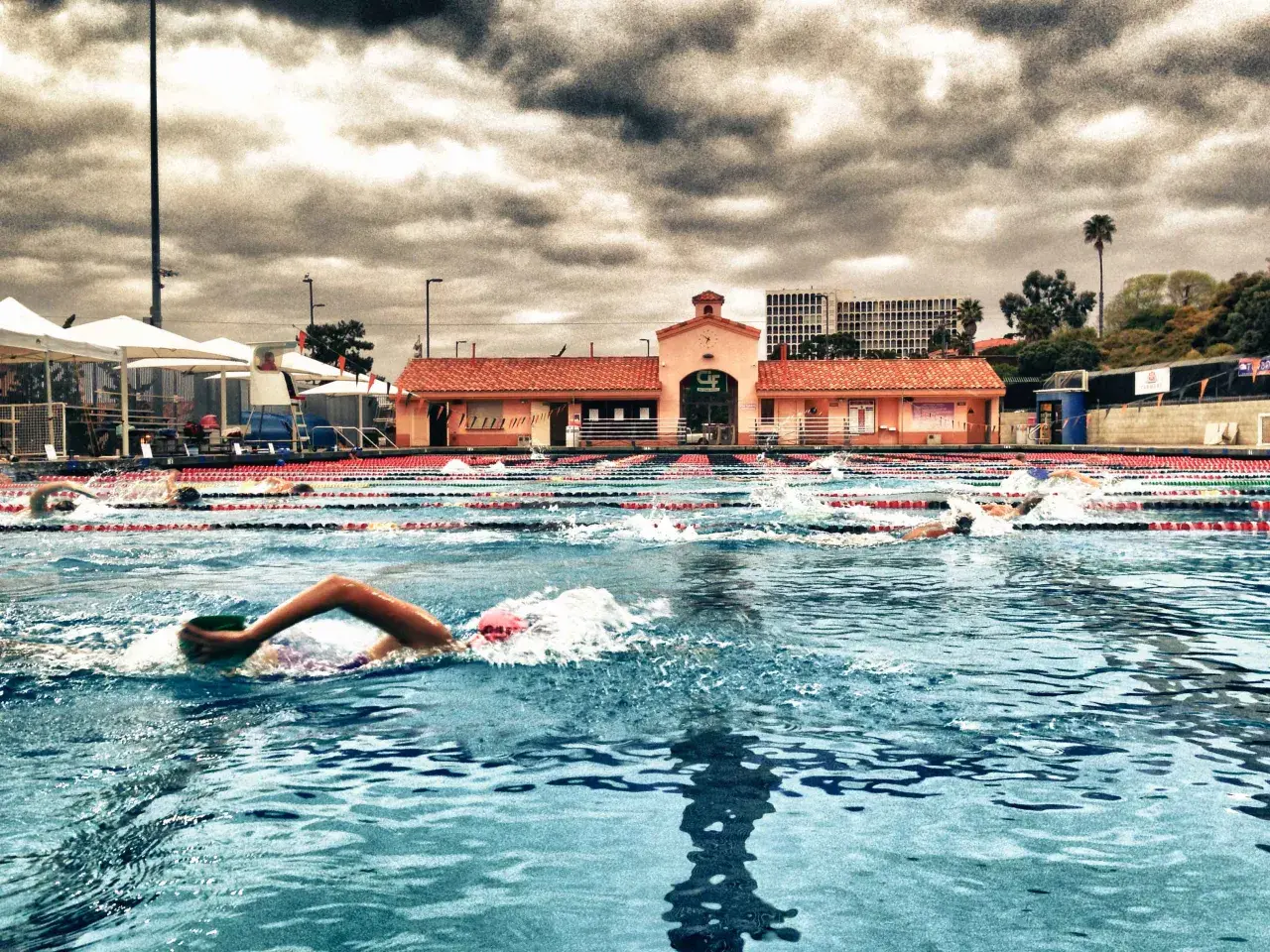
A morning swim can set the tone for the whole day: it wakes the body without pounding the joints, sharpens technique before distractions pile up, and gives you a clean block of training time. The real value, though, comes from doing it with intent rather than just getting wet before work. In this guide I’ll cover the benefits, how to prepare, what to eat, how to shape the set, and how UK conditions change the plan.
The practical essentials for making early pool time pay off
- Keep the session purposeful - 20 to 45 focused minutes usually beats a long, unfocused paddle.
- Warm up properly - the NHS suggests at least 6 minutes before exercise, and that matters even more when you are stiff and sleepy.
- Fuel by session type - easy aerobic swimming may need little more than water, while harder sets usually benefit from a light carb snack.
- Use the right venue - indoor pools are the simplest choice on dark UK mornings; open water needs extra caution and better planning.
- Back it up with strength work - two short dryland sessions a week help keep shoulders, hips, and core resilient.
Why early pool time works so well for fitness
What makes an early session effective is not the clock itself, but the way it clears the deck. You are less likely to skip it, less likely to be distracted, and more likely to swim with a plan. For many adults, that consistency is the real training advantage.
Swimming is also easy on the joints while still being demanding enough to improve cardiovascular fitness, lung capacity, and muscular endurance. The NHS recommends 150 minutes of moderate activity a week, or 75 minutes of vigorous activity, plus strengthening work on at least two days. Regular lane sessions can fit that pattern neatly if you keep the effort honest instead of drifting through the water.
I also like early swims for people who want their technique to improve. You are usually fresher mentally than you are after a full workday, and that helps you notice details such as catch position, bodyline, and breathing rhythm. In practice, that means the morning session is often better for clean, repeatable swimming than for chasing heroic pace at all costs.
That only works if you arrive prepared, so the next step is the part most people get wrong.

What to do before you leave the house
If the session feels chaotic before you even reach the pool, the training usually suffers. My rule is simple: the night before should remove decisions from the morning. Pack the bag, fill the bottle, check the goggles, and lay out what you will wear on the way back. Those small steps matter more than motivation at 5 a.m.
| When | What to do | Why it helps |
|---|---|---|
| The night before | Pack goggles, cap, towel, drink, flip-flops, clothes, and any snack you want after the session. | Reduces stress and stops small mistakes from killing the workout. |
| On waking | Drink a glass of water and assess how hard the session will be. | Hydration matters more than people think first thing in the morning. |
| 30 to 60 minutes before | Take a light carb snack if you plan to work hard or if you know you fade when under-fuelled. | Helps you start with enough energy for quality pace work. |
| Before you get in | Do a 6-minute dynamic warm-up with shoulder circles, trunk rotations, hip mobility, and ankle work. | Prepares the body and makes the first lengths feel less clumsy. |
For breakfast, keep it simple. If you are swimming straight after waking, a banana, toast with jam, or a small bowl of cereal is usually enough for a harder set. If you are only doing easy technique work, you may not need much more than water beforehand. The point is to avoid starting flat, not to force a big meal that sits badly in your stomach.
Once the logistics are handled, session design is what turns the hour into real training.
How to structure the session so it improves fitness
The best early sessions usually have one clear job. Some mornings should be technical, some aerobic, and some genuinely challenging. What you want to avoid is the middle ground where the set is too hard to be relaxed and too soft to drive adaptation.
I use RPE a lot when coaching swimmers. That stands for rate of perceived exertion, which is simply how hard the work feels on a 1 to 10 scale. Most early sessions should live around RPE 5 to 7, with only occasional work pushing higher.
| Time available | Main focus | Example structure | Best for |
|---|---|---|---|
| 20 minutes | Technique and looseness | Easy swim, a few drill lengths, short build efforts, then an easy finish. | Days when you need movement more than fatigue. |
| 30 minutes | Controlled aerobic work | Warm-up, then repeated 50s at steady pace with short rest, then a short cool-down. | Building fitness without blowing up the rest of the day. |
| 45 minutes | Threshold or mixed pace | Longer warm-up, a main set of 100s or 200s at strong but repeatable effort, then easy swimming home. | Days when you want a real training stimulus. |
The important rule is that technique should not collapse when intensity rises. If your stroke shortens, your breathing goes ragged, or you start fighting the water, the set is too aggressive for that time of day. I would rather see a swimmer finish with crisp mechanics than chase an extra rep that only teaches bad habits.
Fuel and recovery determine whether that work sticks, which is where many good routines quietly fail.
Fuel, hydration, and recovery without overcomplicating it
The question I hear most often is whether it is worth swimming on an empty stomach. The honest answer is: sometimes yes, sometimes no. If the session is easy and you feel fine, you can often get away with very little before the pool. If the set is going to be hard, longer, or technique-sensitive, a small carb snack usually helps.
| Session type | Before swimming | After swimming |
|---|---|---|
| Easy recovery swim | Water may be enough. | Normal breakfast when you get home. |
| Moderate aerobic set | Light snack such as fruit, toast, or cereal if you feel flat. | Breakfast with carbs and protein within 1 to 2 hours. |
| Hard interval session | Eat something light if you can tolerate it, then drink water. | A proper recovery meal with protein, carbs, and fluids. |
Hydration is easy to underestimate early in the day because you do not feel hot yet. I still advise swimmers to drink water on waking and again after the session. If you are in the pool for longer than 45 minutes, or you know you sweat heavily, bringing a bottle poolside is a small habit that pays off.
Recovery matters too. A good post-swim breakfast does not need to be fancy. Porridge with fruit, yogurt with oats, or eggs on toast all do the job if the overall day is balanced. If you train hard in the morning and then sit at a desk for eight hours, I would put even more emphasis on eating properly after the swim and getting up from the chair now and then.The environment changes the risk profile, especially in the UK, so pool and open water deserve different rules.

Pool, outdoor water, and the UK reality
In the United Kingdom, early sessions usually fall into one of two categories: a heated indoor lane or an outdoor swim with colder water and far less predictability. I treat those as different activities, not just different locations. The indoor pool is your default for consistency; open water is a separate skill set.
| Factor | Indoor pool | Open water |
|---|---|---|
| Temperature | Stable and usually comfortable. | Can be cold enough to affect breathing and coordination. |
| Visibility | Predictable lanes and lighting. | Often darker, especially at dawn and in winter. |
| Training style | Best for intervals, pacing, and technique work. | Better for endurance, sighting practice, and open-water skills. |
| Safety setup | Usually supervised and controlled. | Needs extra caution, local rules, and ideally a buddy. |
For outdoor mornings, I want swimmers to be conservative. Check the venue rules, avoid going alone if you can, and use equipment that improves visibility. A bright cap and a tow float are sensible choices, but they do not replace good judgement. If you feel numb, unusually disorientated, or unable to keep breathing under control, get out. Cold water rewards patience and punishes bravado.
With the setting sorted, the last challenge is consistency over a full week.
The simplest weekly rhythm that keeps progress moving
If I had to build a sustainable routine for most adults, I would keep it boring on purpose. Three early sessions a week is enough to make real progress if each one has a purpose. Two shorter strength sessions on land then support the swimming instead of competing with it.
- Session 1 - technique and easy aerobic work to stay loose and reinforce body position.
- Session 2 - intervals or threshold work to push fitness without making the week feel punishing.
- Session 3 - recovery swimming or a mixed-pace set that leaves you fresher than a full race effort would.
- Strength work - 20 to 30 minutes twice a week on major movement patterns such as squats, hinges, pulls, presses, and core control.
- Sleep protection - if the alarm forces you to cut sleep repeatedly, the routine is too aggressive for the current season of life.
The real trick is not doing everything at once. It is choosing the smallest repeatable version of the habit and keeping it intact long enough for the gains to show up. If you can protect sleep, keep the first minutes easy, and prepare the night before, that is what turns a morning swim into a sustainable training habit rather than a one-off display of willpower.
