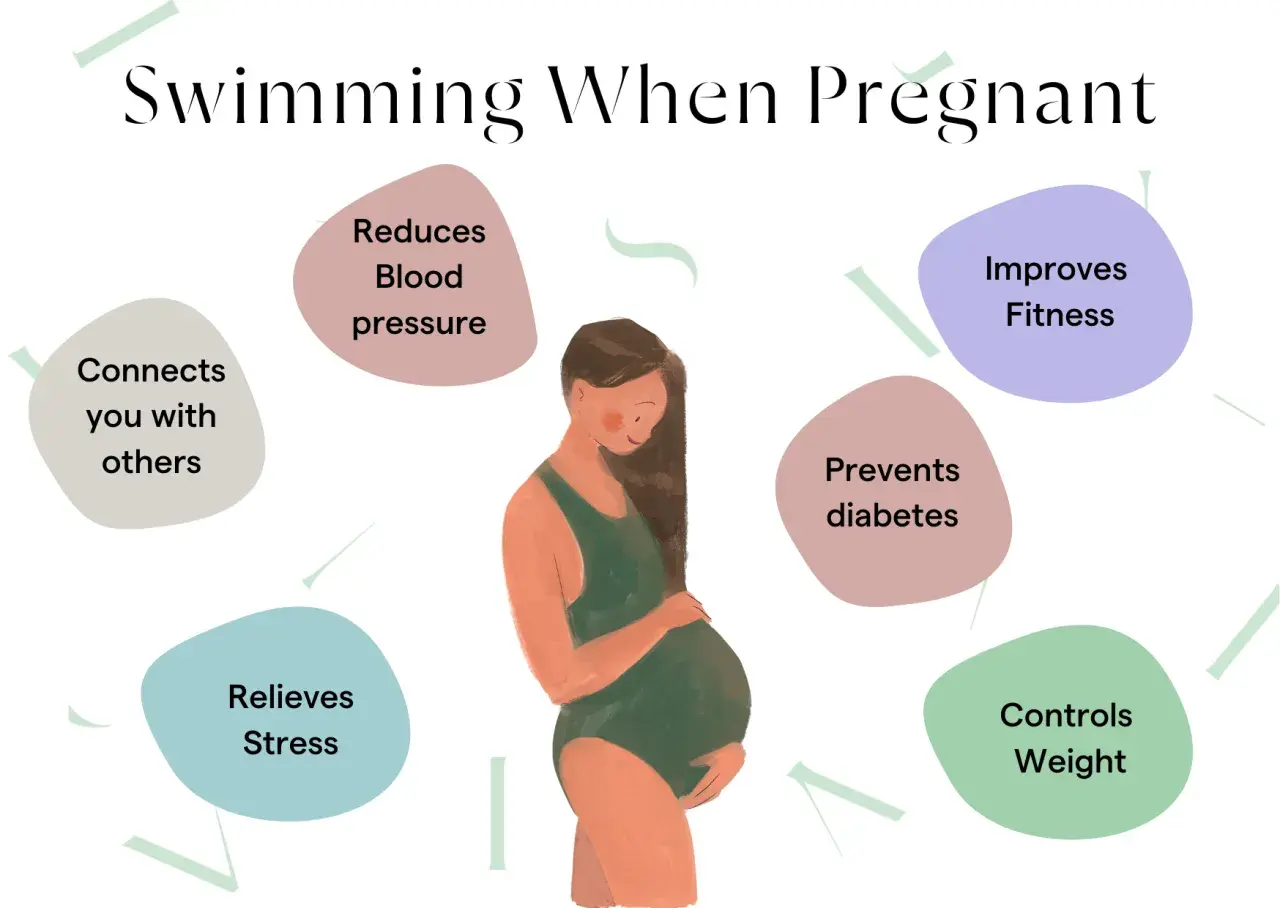
Swimming is one of the easiest ways to stay active when pregnancy starts changing how your body feels, and the practical answer to can you swim while pregnant is yes for most uncomplicated pregnancies. I like it because the water does part of the work for you: it supports extra weight, softens impact, and makes it easier to keep moving when walking or gym work starts to feel awkward. The key is not to chase speed, but to keep the session comfortable, moderate, and free of warning signs.
Swimming is usually safe in pregnancy when you keep the effort moderate and respect warning signs
- Buoyancy helps: water supports your weight, so swimming often feels easier on the joints and lower back than land-based exercise.
- Moderate intensity is enough: you should still be able to talk in short sentences during rests.
- Stroke choice matters: some swimmers need to swap breaststroke for freestyle or a gentler pattern if the pelvis gets sore.
- Temperature matters: avoid hot water, and do not treat the pool like a sauna or a sprint session.
- Warning signs override everything: bleeding, fluid leaking, painful contractions, dizziness, chest pain, or unusual shortness of breath mean stop and get advice.
Why swimming usually feels better than other exercise in pregnancy
I tend to think of swimming as the quiet workhorse of pregnancy exercise. It is low impact, it lets you control the effort minute by minute, and it usually feels better than workouts that load the pelvis and lower back. The NHS recommends exercise where you can still talk as you move, and that is the rule I would use here: if you are gasping between lengths, the pace is too hard. Tommy's also notes that normal pool disinfectants have no evidence of harm to the baby, so chlorine is usually not the real problem people worry about.
That combination matters because pregnancy complaints are rarely identical from one week to the next. Some days swimming is about relief, other days it is about simply keeping fitness ticking over without making the rest of the day worse. For many women, that makes the pool easier to stick with than a routine that feels fine one day and punishing the next.
- Less joint load: buoyancy reduces the pounding you would get from running or jumping.
- Good for back and pelvic comfort: many swimmers find the water easier when the lower back or pelvic girdle feels sensitive.
- Easy to scale: you can shorten the session, slow the pace, or add rest without stopping completely.
- Works across pregnancy: if the pregnancy is uncomplicated, swimming can stay useful from early pregnancy into the later months.
Once you understand why swimming works so well, the next question is how to adjust it as your pregnancy progresses without turning every session into guesswork.
How to adapt a swim across the trimesters
Pregnancy does not usually require a different sport, but it does change what a sensible swim looks like. Early on, the issue may be nausea or fatigue; later, it is more often balance, breathing, and pelvic comfort. I prefer to adjust the session before the body forces me to.
| Trimester | What often changes | My practical adjustment | What I would avoid |
|---|---|---|---|
| First trimester | Nausea, smell sensitivity, low energy, a shorter attention span for hard effort | Keep sessions short, warm up gently, and stop before you feel drained | All-out intervals, breath-hold sets, or pushing through queasiness |
| Second trimester | Energy may improve, but the bump and pelvic loading become more noticeable | Settle into steady, conversational swimming and watch how your pelvis feels after each stroke | Long periods flat on your back if they make you dizzy or uncomfortable |
| Third trimester | Balance, breathing, and recovery between lengths can feel different from week to week | Shorten the main set, add more rest, and use the pool for easy aerobic work rather than testing speed | Hard sprint work, aggressive turns, and anything that leaves you unusually breathless |
If you were already swimming before pregnancy, keeping the habit is usually easier than starting from scratch. If you are new to the pool, I would start with fewer lengths than you think you need and build up gradually. The best sign that the session was about right is simple: you leave the water feeling looser, not flattened.

The pool habits that matter more than the stroke
Stroke choice matters less than most people think, but it is not irrelevant. I would rather see a relaxed freestyle or easy backstroke than a breaststroke kick that tugs on the pubic area every length. If a stroke makes your pelvis, lower back, or ribs complain, change it early instead of trying to push through it.
- Use goggles if they help: keeping your head down in freestyle can straighten the body line and reduce back strain.
- Keep turns smooth: fast push-offs and aggressive flips are not necessary for a useful workout.
- Avoid diving or jumping in: it is safer and easier on your balance to enter the pool in a controlled way.
- Drink water during longer sessions: a bottle by the lane is a small detail that makes a real difference.
- Skip very hot or very cold water: the pool should feel comfortable, not like a temperature challenge.
- Be careful on wet surfaces: pool edges, ladders, and changing-room floors matter as much as the swim itself.
Those details sound basic, but basic is often where pregnancy swimming goes right. The stroke can be technically excellent and still be the wrong choice if it triggers pain, overheating, or sloppy recovery between lengths.
When swimming stops being the right choice for the day
There are times when the right answer is not to modify the session, but to leave the pool. If something feels off before you get in, that is useful information, not a sign that you need to be more determined. I would rather cancel one swim than ignore a warning sign that deserves attention.| What you notice | What to do |
|---|---|
| Vaginal bleeding or fluid leaking | Do not swim. Get in touch with your midwife or maternity unit first. |
| Painful contractions, abdominal pain, or pelvic pain | Stop immediately and ask for advice before returning to exercise. |
| Dizziness, faintness, chest pain, palpitations, or unusual shortness of breath | End the session, sit down, and seek medical guidance if the symptom does not quickly settle. |
| Fever, feeling unwell, or reduced baby movements later in pregnancy | Skip the swim and contact your maternity team. |
If your waters may have broken, do not treat the pool as a place to check whether things are fine. Speak to your maternity team first. The same goes for any pregnancy where you have already been told to limit exercise or take extra care.
A simple session that stays in the safe zone
Swimming works best in pregnancy when it stays ordinary. You do not need to turn it into a performance session to get the benefit, and I would avoid breath-hold sets or maximal intervals even if you were fit before pregnancy. The goal is steady aerobic work that does not leave you wrecked afterwards.
| Swimmer type | Example session | Good benchmark |
|---|---|---|
| Beginner | 10 to 15 minutes total with short rests every few lengths | You finish feeling fresher than when you started |
| Regular swimmer | 20 to 30 minutes total at a steady, conversational pace | You can still speak in short sentences on the wall |
| Fitter swimmer | Up to 30 minutes total with controlled repeats and longer recoveries | The effort stays moderate, not race-like |
If you are aiming to meet the usual UK target of around 150 minutes of moderate activity a week, three 30-minute swims or five 20-minute swims can get you there without much fuss. That target only makes sense if your pregnancy is uncomplicated and your body is tolerating the workload, so I would treat it as a guide, not a test.
The small details I would not skip before the next swim
- Pack water: even pool sessions can leave you more dehydrated than you expect.
- Bring dry clothes and a snack: low energy can arrive quickly after a session, especially if nausea has been part of your pregnancy.
- Use handrails and slow steps: the walk from changing room to pool matters more than people think.
- Tell someone if you feel off: if you start feeling faint or unusually tired, stop early instead of trying to finish the set.
- Leave some margin: a good pregnancy swim is one you could repeat tomorrow, not one that empties you for the rest of the day.
Swimming in pregnancy works best when it stays calm, consistent, and adjustable. Keep the effort moderate, change the stroke when your body asks for it, and let warning signs decide when the session ends. For most women, that makes the pool one of the most reliable places to stay active until the baby arrives.
