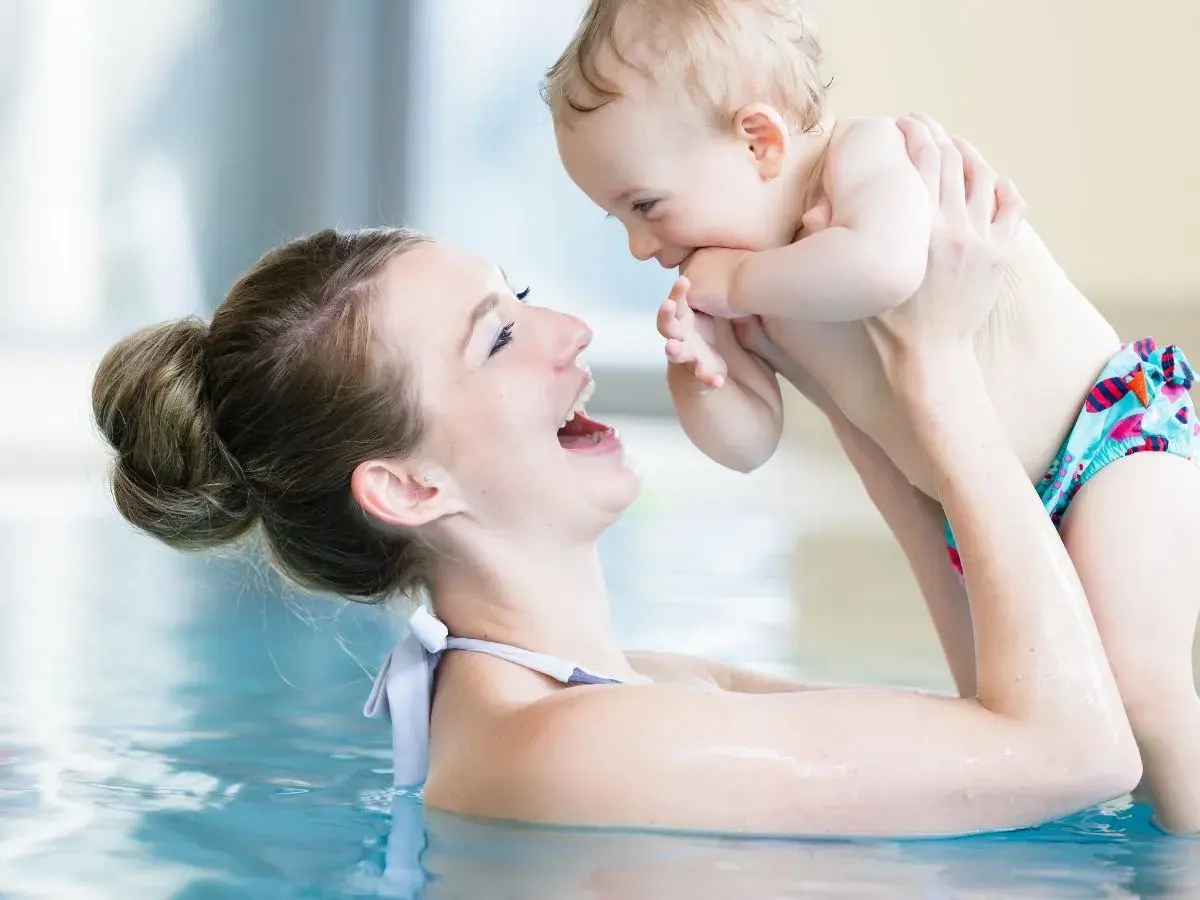
Getting back into the pool after a caesarean is less about hitting a fixed date and more about respecting how the incision, the deeper tissue, and your overall recovery are actually behaving. The right timing depends on whether the wound is closed, whether postnatal bleeding has stopped, and whether you have any signs of infection or delayed healing. In the UK, the most common advice is to wait about six weeks, then use your body, not the calendar, to decide whether that first swim is sensible.
The safest starting point is usually around six weeks
- Six weeks is the most common earliest target in UK maternity advice, but only if the wound is fully healed.
- Do not swim if the scar is still open, leaking, red, hot, or painful.
- Wait until vaginal bleeding or discharge has stopped; lochia is the normal postpartum bleeding and discharge.
- Start with an easy, short pool session rather than laps, intervals, or hard push-offs.
- If you had infection, heavy bleeding, or another complication, give yourself longer and ask your midwife or GP first.
The practical timing most women are given in the UK
In practice, I would treat around six weeks as the most sensible default for swimming after a caesarean section, not because the body magically changes on day 42, but because that is often when the skin incision has sealed and the early recovery phase is starting to settle. Cambridge University Hospitals advises avoiding swimming until the wound is completely healed, which is usually about six weeks, and other NHS leaflets use the same logic in slightly different words: swim once the scar is healed and bleeding has stopped.| Time after caesarean | What is usually happening | Swimming decision |
|---|---|---|
| 0-2 weeks | Fresh wound, sore abdomen, lochia usually still present | No swimming |
| 2-6 weeks | Scar is closing, but tenderness, drainage, or bleeding may still continue | Usually still too early |
| Around 6 weeks | Common postnatal review point, wound often fully sealed | Possible if healing is complete and bleeding has stopped |
| 6-12 weeks | Recovery may still be building after a complicated birth | Often the realistic window for a cautious return |
That table is the reason I do not like one-size-fits-all advice here. Some people feel physically ready earlier, but if the incision is not fully healed or the bleeding is still going on, swimming is still a bad trade-off. The next question is not the date, but what your body needs to show you first.

What has to be healed before you get in the water
Before the first swim, I want to see a few basic things in place. They sound simple, but they matter more than most people expect.
- The skin incision is closed and dry, with no weeping, oozing, or fresh bleeding.
- You are no longer bleeding vaginally in a way that would suggest lochia is still active.
- The scar does not feel hot, swollen, or more painful than it did a few days earlier.
- You can move, cough, and get dressed without a pulling or tearing sensation across the wound.
- There are no infection signs, such as redness spreading from the incision, a bad smell, fever, or feeling unwell.
How to return to the pool without overdoing it
Your first session back should feel almost boring. That is the right goal. I would keep the first swim short, gentle, and controlled, then build from there only if the next 24 hours stay calm.
- Choose a warm, indoor pool for the first visit so you are not dealing with cold shock or a long walk from the car.
- Keep the first swim to about 10-15 minutes of easy movement in the water.
- Use a stroke that feels smooth across your abdomen; many people start with relaxed front crawl or gentle backstroke.
- Avoid hard push-offs, flip turns, sprint sets, breaststroke if it tugs at the scar, and any drill that makes your core brace sharply.
- Stop immediately if you feel pulling at the incision, pelvic heaviness, fresh bleeding, dizziness, or a sharp increase in pain.
I also advise treating the first few swims as recovery sessions, not fitness sessions. If you usually swim 40 lengths, do not start there. A short, unremarkable first session tells you far more than trying to prove you are back to normal. Once that feels easy, the setting itself becomes the next variable worth thinking about.
Why the pool is easier than open water at first
A chlorinated indoor pool is usually the safest place to restart because the environment is controlled. You know the temperature, the floor is predictable, and you can get out quickly if anything feels wrong. Open water is a different conversation.
Lakes, seas, and cold outdoor water add a few extra problems: temperature shock, stronger effort just to stay comfortable, less predictable footing, and more time spent getting changed and moving around while tired. I would not rush into open water after a caesarean unless you have already done a few easy pool sessions with no symptoms at all. The first goal is to make the incision tolerate movement, not to test your tolerance for cold or currents.
That brings us to the cases where the usual six-week advice is not enough on its own.
When you should wait longer or ask for medical advice first
Some recoveries need a slower return, and that is not a failure. It is just the reality of healing after surgery. I would pause and speak to a midwife, GP, or postnatal physiotherapist before swimming if any of these apply:
- The scar is still open, leaking, or crusting repeatedly.
- You have redness, warmth, swelling, or a smell from the wound.
- Your bleeding has become heavier again after it had been settling.
- You had a wound infection, significant blood loss, or a complicated operation.
- You still feel faint, unusually tired, or short of breath with normal activity.
- You are taking pain relief that suggests the abdomen is not yet coping well with movement.
If the birth was emergency rather than planned, or if you also had another repair or complication, I would be even more conservative. The calendar is useful, but it is not a substitute for a wound that looks and feels genuinely settled. From here, the cleanest rule is simple and practical.
The rule I would use before booking your first lane
My rule is this: if the scar is closed, the bleeding has stopped, you can move comfortably, and no clinician has told you to avoid swimming, you are probably ready for a cautious first session. I would still keep that first swim short, stay near the shallow end or the pool exit, and treat any fresh pain, bleeding, or wound change as a reason to stop and reassess.
If you want the shortest possible answer, it is this: most women in the UK return to swimming at about six weeks after a caesarean, sometimes a little later, and only once the wound is fully healed and lochia has stopped. If you are unsure, get a quick check from your midwife or GP before you head back to the pool.