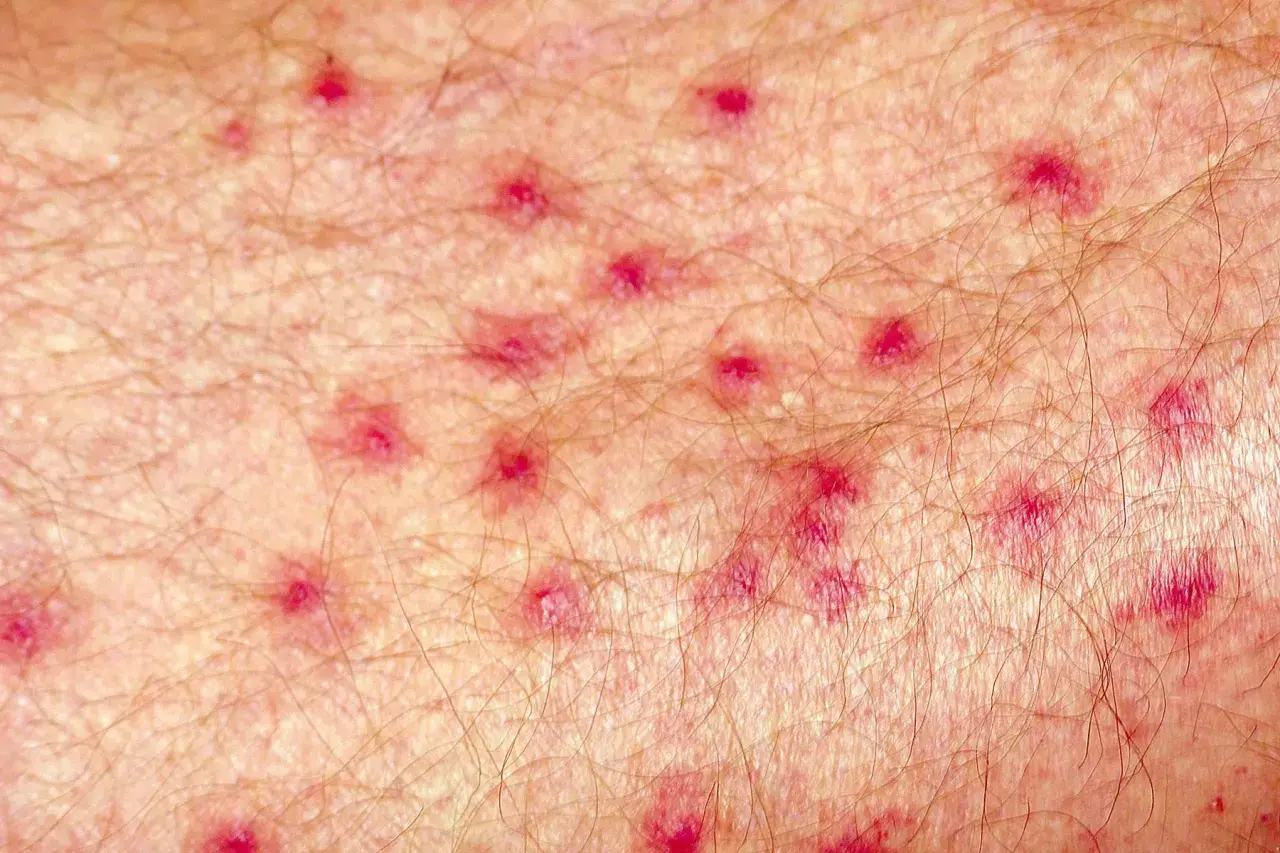
What matters most before anyone jumps in the water
- Properly chlorinated pool water makes it hard for staph bacteria to survive, but that is not the same as curing a skin infection.
- Staph and MRSA usually spread by direct contact or shared items, not by clean recreational water.
- If a sore is open, draining, or hard to cover, staying out of public water is the safer choice.
- Pool safety depends on both chlorine and pH, with the usual chlorine range around 1-4 ppm and pH between 7.0 and 7.8.
- Showering, covering cuts, and not sharing towels do more for prevention than hoping the pool will “disinfect” you.
The short answer for swimmers
The short answer is that chlorine can help kill exposed staph bacteria in properly maintained pool water, but it does not kill a skin infection in the way people usually mean. If staph is living in a boil, abscess, or wound, the problem is inside tissue, not floating freely in the water. That is why chlorine is useful for pool sanitation and still useless as a stand-in for treatment.
Here is the simplest way I would separate the issue:
| Situation | What chlorine can do | What you still need |
|---|---|---|
| Staph bacteria in properly chlorinated pool water | Reduce or inactivate exposed bacteria | Proper pool chemistry and routine testing |
| A boil, abscess, or infected cut on skin | Very little for the infection itself | Medical care, wound coverage, and often antibiotics |
| Shared towels, benches, razors, or handrails | Not enough to protect you by itself | Hygiene, surface cleaning, and not sharing personal items |
That is the practical answer most swimmers actually need. The next question is why chlorine works well in water but still leaves the infection problem untouched.
Why pool chlorine and a skin infection are not the same thing
Chlorine is a disinfectant, which means it attacks germs exposed to the water. A staph infection is different: the bacteria have already moved into skin or deeper tissue, where pool water does not reach in the same way. In other words, chlorine can sanitize the environment around you, but it cannot act like a medicine inside you.
This is also why I would not think of a pool as a “natural cleanser” for a sore. Pool water is meant to be managed as a public health system, not a treatment bath. The CDC notes that proper chlorine and pH levels make recreational water less likely to spread germs, and it also says MRSA does not survive long in water with proper disinfectant and pH levels. That supports pool safety, but it does not turn the water into wound care.
Another important detail is pH. pH is simply a measure of how acidic or alkaline the water is, and chlorine works best when that balance is right. When pH gets too high, chlorine becomes less effective at killing germs. So the pool’s chemistry matters just as much as the chemical itself. That leads directly to the more practical question: what should you do if you already have a boil, cut, or suspicious sore?
What to do if you have a boil, cut, or suspected staph infection
If you have a possible staph infection, I would treat swimming as a decision about exposure, not just comfort. The safest move is to stay out of public water if the area is open, draining, painful, or difficult to cover well. CDC guidance for athletes says people with active infections or open wounds should not use public water facilities until healed, and that is a sensible rule for swimmers too.
Before getting back in the water, I would use this checklist:
- Keep the infected area covered with a clean, watertight bandage only if a clinician says swimming is reasonable.
- Do not pick, squeeze, or pop boils and abscesses.
- Wash hands well after touching the area or changing dressings.
- Do not share towels, razors, goggles, or clothing that touches the skin.
- Shower before and after swimming to reduce contamination on the skin.
- Stay out of the pool if the wound leaks, loosens the bandage, or becomes more irritated in water.
In a swim club, that advice matters because staph is usually passed by contact, not by the water itself. Once you understand that, the locker room and the shared towel pile suddenly look more important than the pool lane line.
How pool chemistry keeps risk low
When a pool is run correctly, chlorine is part of a larger safety system rather than a magic shield. The CDC’s healthy-swimming guidance says the typical chlorine range is 1-4 ppm and pH should stay around 7.0-7.8. It also recommends testing disinfectant and pH at least twice a day, and more often when the pool is heavily used.
That routine matters because swimmers constantly introduce sweat, dirt, oils, and body fluids into the water. Those contaminants use up chlorine, which means a pool that “smells like chlorine” is not automatically a safe pool. I pay more attention to testing logs than to odor, because smell is a poor proxy for water quality.
There is also a simple operational rule that many casual swimmers overlook: chlorine is more effective when the water chemistry is stable. If the pH drifts up, the disinfectant gets weaker even if the pool still looks clear. So if you are trying to avoid staph exposure, the real protection is not just “chlorine is present.” It is “chlorine, pH, and maintenance are all under control.”
That lowers the risk of pool-to-pool spread, but it still does not remove the need to watch for warning signs that require medical care.
When to get medical help instead of relying on chlorine
In practice, I would stop thinking about chlorine the moment a skin infection starts behaving like a true infection rather than a minor irritation. Get medical help if you notice rapidly spreading redness, warmth, swelling, pus, fever, severe pain, red streaks, or a boil that keeps coming back. Those are not problems chlorine can solve.
It is also worth being more cautious if the infection is on the face, near the eye, around the groin, or in a location that is hard to keep dry and covered. Young children, older adults, and people with weakened immune systems should be even more conservative. A pool can be perfectly maintained and still be the wrong place for an active infection.
Staph infections are generally treated with antibiotics, and sometimes a clinician needs to drain an abscess or clean out infected tissue. That is the part people miss when they ask whether chlorinated water can “take care of it.” It cannot. At best, the pool can be a less favorable environment for the bacteria; it is not the treatment.
The safest rule before you get back in the water
My rule is straightforward: chlorine protects the pool, not the infection. If the skin is intact, the pool is well maintained, and you are not sharing contaminated items, the risk from staph is relatively low. If the skin is broken, draining, or hard to cover, I would stay out until the wound is healed or a healthcare provider clears you.
For swimmers, the best habits are boring but effective: shower before entering the water, cover cuts, dry your skin after swimming, and keep towels and razors to yourself. That combination does more for swim health than any myth about using pool water as a disinfectant ever will. If you remember one thing, make it this: a clean pool is part of prevention, but proper wound care is what actually keeps a staph problem from turning into a bigger one.
