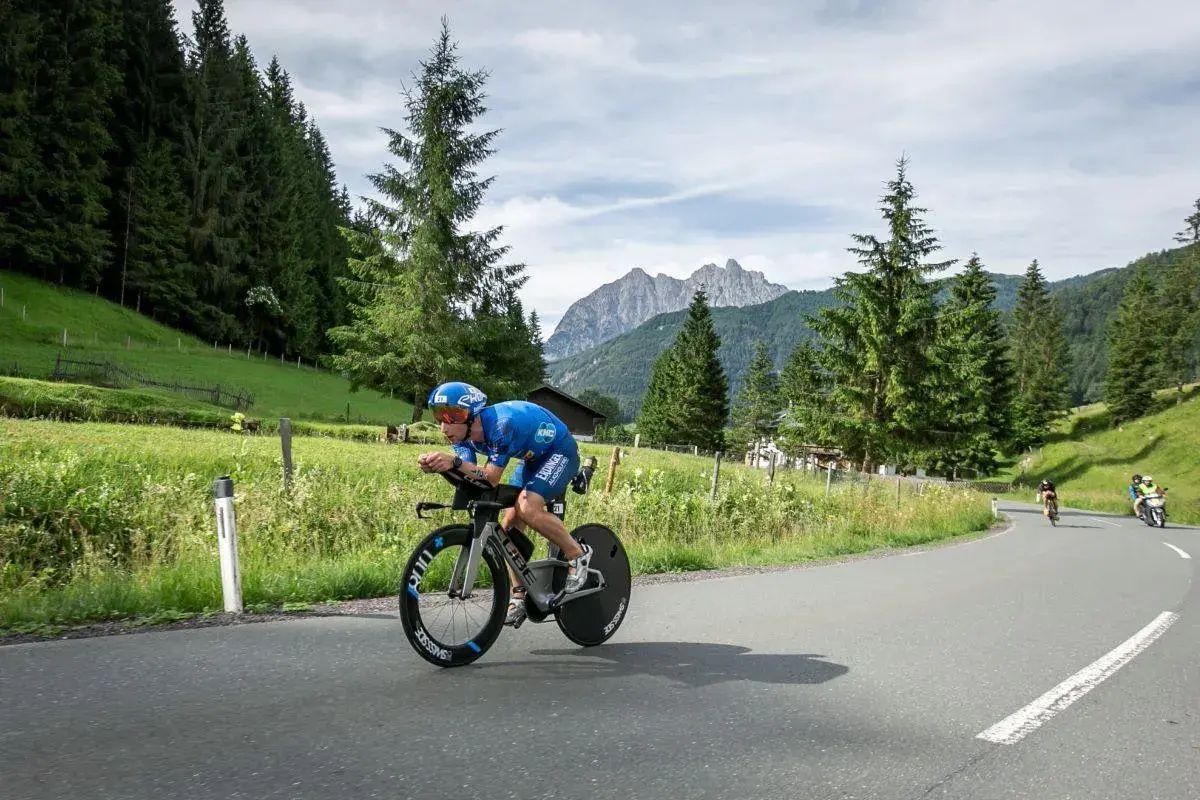
The short version is that sprint racing rewards control more than heroics
- Standard sprint distance is 750 m swim, 20 km bike, and 5 km run.
- Most first-timers do better with focused, structured training than with random high-volume sessions.
- The swim and transitions are usually where beginners lose the easiest time.
- In the UK, check whether the swim is pool-based or open water and whether wetsuits are required on the day.
- Simple kit often beats expensive kit: fit, comfort, and reliability matter more than fashion.
What a sprint triathlon actually asks of you
British Triathlon defines the sprint distance as a 750 m swim, 20 km bike, and 5 km run. That sounds modest on paper, but the order matters: the swim sets your breathing, the bike decides how much run you have left, and the run exposes every pacing error you made earlier.For me, the big advantage of sprint racing is not that it is easy. It is that the feedback is immediate. A bad swim start, a rushed transition, or a hard first 10 km on the bike shows up fast, which makes the format excellent for learning.
| Race type | Swim | Bike | Run | Best fit |
|---|---|---|---|---|
| Super sprint | 400 m | 10 km | 2.5 km | Absolute beginners, short speed work |
| Sprint | 750 m | 20 km | 5 km | First triathlon, sharp racing |
| Standard (Olympic) | 1,500 m | 40 km | 10 km | More endurance, more pacing discipline |
For a first UK event, a pool swim and a simple bike course are worth more than scenery or prestige. The shorter the race, the less room there is to drift, and that is why sprint racing suits both beginners who want a first finish and more experienced athletes who want a sharp, competitive effort. Once you see the format clearly, the next question is how to make the swim work in your favour.
Why the swim matters more than the distance suggests
On a sprint course, the swim may be only 750 m, but it is still the most technical leg. A calm, efficient swim saves energy, reduces anxiety, and gives you a cleaner transition into the bike. That is especially true in the UK, where your event may be in a pool or in cold open water, depending on the venue and date.
Pool swim or open water
Pool races are usually easier for first-timers because the environment is controlled. You can count lengths, use the walls for turns, and avoid most of the contact that makes open water feel messy. In a pool swim, turns and push-offs are free speed if you stay organised.
Open water changes the picture. You deal with sighting, chop, cold water, and the occasional shoulder-to-shoulder start, so it becomes a skill as much as a fitness test. Sighting simply means lifting your eyes forward every few strokes so you stay on course instead of drifting wide.
How to pace 750 metres
The mistake I see most often is starting at full throttle and turning the first minute into damage control. A better pattern is a controlled first 100 m, then settling the breathing, then building pressure only if the stroke still feels efficient. A sprint swim is short, but wasted effort there usually leaks into the bike.
Wetsuits in UK conditions
In British racing, the water temperature decides whether a wetsuit is mandatory, optional, or not allowed, so the race briefing matters. I would always practise swimming in the suit before race day, because a good triathlon wetsuit should feel snug and buoyant, not restrictive. If it takes you several minutes to get out of it in training, it will cost you time in transition too.
Because the swim is where many sprint races are won or lost, I spend extra time on technique and comfort there. Once the swim feels controlled, the next gain comes from training the rest of the race in a way that actually matches the distance.
How to train for a sprint without overtraining
For most first-timers, I would rather see 4 to 7 focused hours a week than a scattered block of hard sessions. The race is short, so the training should build repeatable technique, steady power, and the ability to run well after the bike, not just general fatigue tolerance.
| Session | Focus | Typical length |
|---|---|---|
| Swim 1 | Technique and body position | 45 to 60 minutes |
| Swim 2 | Intervals at race rhythm | 45 to 60 minutes |
| Bike 1 | Endurance and cadence | 60 to 90 minutes |
| Bike 2 | Race-pace blocks | 45 to 75 minutes |
| Run 1 | Easy aerobic run | 30 to 45 minutes |
| Run 2 | Brick run off the bike | 15 to 25 minutes |
| Strength | Core, glutes, single-leg work | 20 to 30 minutes |
Swim for economy, not just fitness
Use short technical work alongside intervals. Sets such as 8 x 50 m with 15 seconds of rest are enough to improve feel for the water without burying you in volume. If your stroke falls apart late in the session, that is feedback, not failure. It means the race pace is currently above your sustainable technique.
Bike for sustained pressure
The 20 km bike is where many athletes gain or lose the most time. I focus on steady efforts that feel strong but repeatable, because a sprint bike leg is not the place for wild surges. One weekly ride with blocks at race effort will usually do more for you than another easy spin.
Run off the bike
A short brick session is enough to teach your legs the change in demand. Brick means a bike ride followed immediately by a run, and it matters because the first kilometre off the bike often feels awkward even when your raw running ability is decent. Practise that feeling in training so it stops being a surprise on race day.
When the training is that specific, the gear can stay simple, which is usually a better sign than owning a lot of shiny kit.

The gear that matters and the gear you can leave at home
On a sprint course, the right kit is the kit that reduces friction. I want equipment that fits, stays put, and lets me move fast through transitions without thinking about it. The biggest beginner mistake is assuming expensive gear will compensate for poor fit or poor preparation.
| Item | Why it matters | My take |
|---|---|---|
| Tri-suit | Worn across all three legs | Saves time in transition and avoids unnecessary changes |
| Goggles | Clear vision in pool or open water | Bring a clear pair and a tinted pair if you can |
| Wetsuit | Warmth and buoyancy | Use it if the race and conditions call for it, and practise removing it |
| Helmet | Mandatory for the bike leg | Fit and safety matter more than price |
| Bike and shoes | Drive the 20 km leg | Reliability first, aero second |
| Fuel | Keeps energy steady | For many sprint racers, water or one small gel is enough |
- Useful but optional: anti-chafe balm, spare goggles, a bike computer you already know how to use.
- Usually unnecessary for a first sprint: deep carbon wheels, complicated fuelling plans, brand-new shoes, and any gadget you have not tested.
If the bike is reliable and the fit is right, that is usually enough for a first sprint. The next thing that separates a smooth race from a messy one is how you handle the transitions and the order of each leg.
Race-day execution is mostly about staying calm in transitions
Most people think the sprint is won in the fitness work, but in age-group racing a lot of time disappears in the handovers between legs. T1 and T2 are not glamorous, yet they are where a tidy race becomes a convincing one.
The first 100 metres set the tone
In the swim, resist the urge to prove fitness immediately. A clean start, relaxed exhale, and steady stroke rate usually beat an all-out surge that leaves you gasping at the first buoy. If the swim is open water, staying composed also helps you navigate the pack without drifting into chaos.
Know the drafting rules before you line up
Drafting means riding in another athlete’s slipstream to reduce drag. Some sprint events allow it, others do not, and the current domestic age-group draft zone is 12 metres, so I never assume the bike leg will work the same way as a club ride. If your event is non-drafting, pass decisively and then create legal space; if it is draft-legal, position matters and the race becomes much more tactical.
Make transition boring
Helmet on before the bike moves, shoes placed in the same order every time, and no unnecessary walking around the rack. I like athletes to rehearse their setup twice at home, because a transition that feels automatic in practice is the one that saves time when race-day nerves are high.
Read Also: Team Hoyt's Kona Ironman - Lessons for Triathletes Today
Run the final 5 km with restraint
The run is only 5 km, so many athletes start as if it were a standalone parkrun and pay for it later. I prefer a controlled first kilometre, then a gradual build if the breathing has settled. If you have paced the bike well, the final run should feel hard but workable rather than like survival.
Once the execution is clean, the remaining gains come from avoiding the same predictable mistakes that catch out first-timers again and again.
The mistakes that cost most first-time racers time
- Going too hard on the swim - you can burn your arms and breathing early, then spend the bike trying to recover.
- Training the bike in isolation - sprint racing is not just about raw power; it is about arriving at the run with enough legs left to keep form.
- Ignoring transitions - a slow T1 or T2 is often easier to fix than your fitness, yet many athletes never practise it.
- Borrowing race nutrition on the day - new gels, new drinks, and new timing routines are a bad idea when the effort is already high.
- Choosing kit for style instead of fit - an ill-fitting wetsuit, loose goggles, or uncomfortable shoes will cost more than they look on paper.
The common theme is not lack of talent. It is mismatch: too much emphasis on one leg, too little rehearsal of the handovers, and too much faith that race day will smooth itself out. If you remove those errors early, sprint racing becomes far more predictable.
What I would lock in during the final two weeks
In the last 14 days, I reduce volume slightly, keep a touch of intensity, and stop adding new variables. That taper means arriving fresh without losing sharpness, which is exactly what a short race rewards.
- Do one last pool or open-water session at race rhythm, not a maximal effort.
- Rehearse T1 and T2 with the exact kit you will race in.
- Check tyres, brakes, helmet fit, goggles, and the timing chip strap.
- Keep meals familiar and avoid testing new gels, drinks, or shoes.
- Arrive early enough to walk the transition area and visualise the first 200 metres of each leg.
A sprint triathlon feels much smaller when the swim is controlled, the bike is steady, and the transitions are rehearsed until they are routine. That is the version of race day I would aim for: simple, disciplined, and fast enough to expose real fitness without unnecessary drama.
