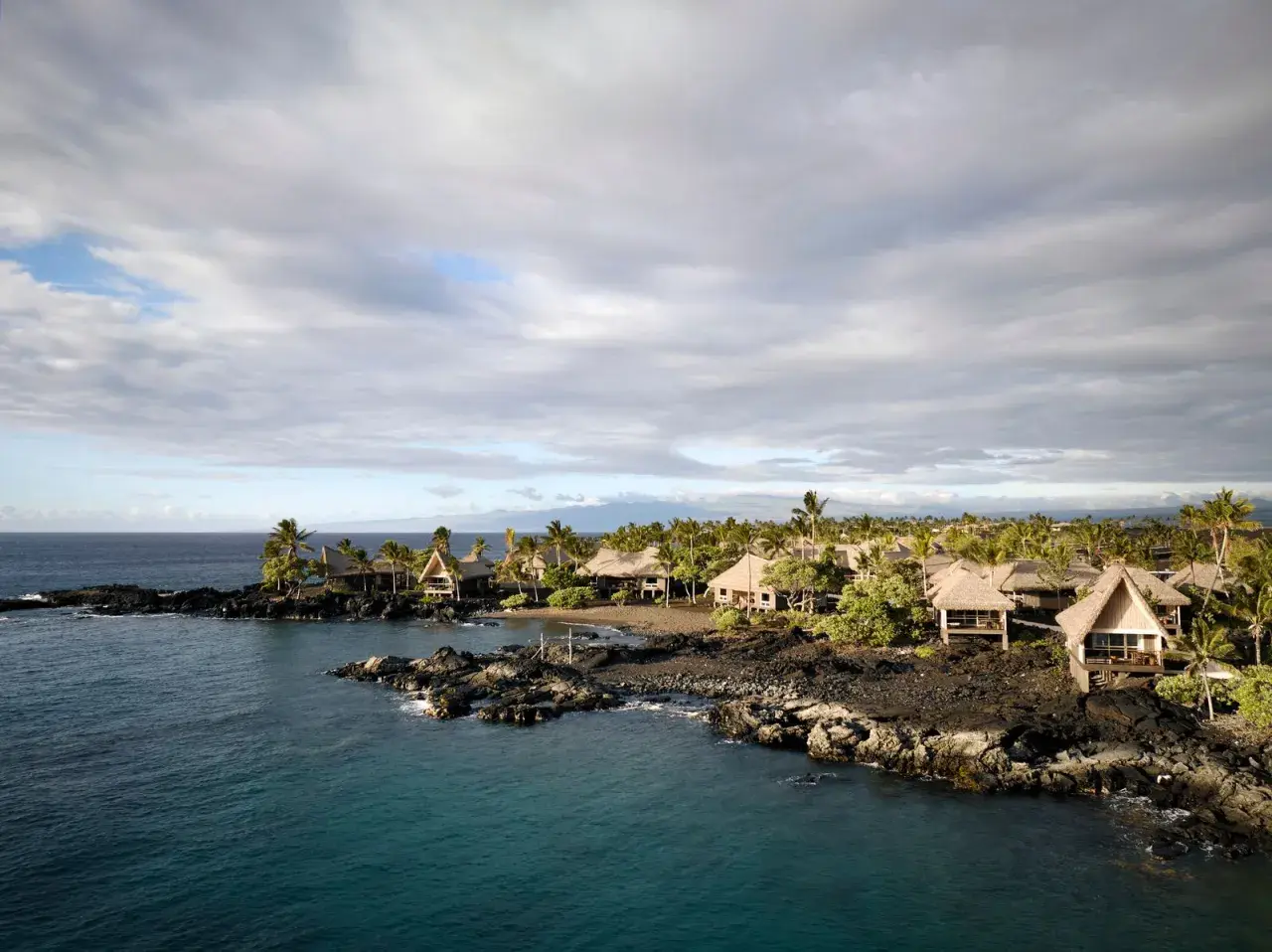
The story behind tsunami Kona is really a story about Kona’s triathlon identity: the ocean venue, the finish-area waterfront, and the 2011 Pacific tsunami that briefly disrupted one of endurance sport’s most famous stages. I’ll break down what people usually mean by the phrase, why Kona still matters in 2026, and how swimmers and triathletes should prepare for the conditions that make this race so demanding.
The essential facts about Kona, the tsunami history, and the race itself
- There is no official race by this name; the phrase usually points to Kona’s World Championship venue and the 2011 tsunami that reached the shoreline.
- The IRONMAN World Championship is a 2.4-mile swim, 112-mile bike, and 26.2-mile run test with a 17-hour cutoff.
- IRONMAN says the 2026 World Championship returns to Kona as a single-day men’s and women’s race on October 10, 2026.
- The Kona swim is an open-water problem, not a pool problem: sighting, pacing, drafting, and staying calm at the start matter as much as raw fitness.
- Heat, hydration, and race-week flexibility are part of the job if you want to race well in Hawaii.
What people usually mean by this phrase
There is no official IRONMAN event called that, so when people use the term they are usually referring to the Kona race venue and the 2011 tsunami that reached Kailua-Kona. The shoreline around the pier matters here because that area is not just scenery; it is the start, transition, and finish environment that triathletes know from the World Championship.
The Pacific Tsunami Museum notes damage along the Kona shoreline after the 2011 event, and triathlon reporting at the time documented impacts at the pier itself. That is the important context: Kona is both a legendary race site and a living coastal location, which means the venue always sits inside a real ocean system, not a closed sports complex.
That historical layer explains the search intent, but the bigger reason Kona keeps drawing athletes is what happens when the race actually starts.
Why Kona is still the benchmark in triathlon
Kona is not famous because it is merely long. It is famous because every section of the course exposes weakness. The swim is 2.4 miles, the bike is 112 miles, and the run is 26.2 miles, which means small mistakes compound quickly. On top of that, athletes have up to 17 hours to finish, so the race rewards control far more than impulse.
In 2026, the pressure goes back up in the way many purists prefer. IRONMAN says the World Championship returns to a single race day in Kailua-Kona, with men and women racing together again. That matters because it restores the full-world-championship feel: more energy, tighter logistics, and less room to hide a weak plan.
| Segment | Distance | What usually decides it |
|---|---|---|
| Swim | 2.4 miles / 3.8 km | Start control, line choice, and staying relaxed under pressure |
| Bike | 112 miles / 180.2 km | Wind discipline, steady power, and hydration execution |
| Run | 26.2 miles / 42.2 km | Heat management, pacing, and sodium balance |
The biggest trap is assuming the swim is just the opening act. In Kona, the swim sets the tone for the whole day, and that is why I treat it as a skill challenge first and a fitness test second.

The Kona swim demands respect on race day
The official course is an ocean swim in Kailua Bay, and IRONMAN describes it as a clear, calm start with warm conditions. That description is true, but it is not the same as easy. Even when the water looks friendly, small swells, chop, and the pressure of a crowded start can turn a strong swimmer into a sloppy one within the first few minutes.
What I care about most in Kona is not top-end pool speed. It is whether an athlete can stay long and loose while the water tries to shorten the stroke. The swimmers who do well usually handle four things well: they start without panic, they sight without lifting too much, they draft without wasting energy, and they keep their breathing under control when the pack tightens.
| Race-day factor | Why it matters | What I train |
|---|---|---|
| Crowded start | Heart rate spikes before rhythm is set | Short burst starts, controlled breathing, and settling practice |
| Sighting | Small errors become extra distance | Frequent sighting without lifting the head too high |
| Swells and chop | Stroke rhythm breaks if the swimmer fights the water | Open-water sessions in rougher conditions |
| Warm water | Heat buildup can start early | Training that does not rely on neoprene for body position |
| Drafting | Good drafting saves time and energy | Pack swimming and shoulder-to-foot positioning drills |
The pool-only swimmer usually gets exposed here. Kona punishes anyone who confuses straight-line speed with open-water control, and that is exactly why the swim deserves so much attention.
How I would prepare a swimmer for Kona
My base rule is simple: race day should not be your first honest open-water swim. I want athletes swimming three to four times a week, with a mix of aerobic work, threshold work, and real open-water practice long before they ever reach Hawaii. Kona rewards specificity, not generic fitness.
Here is the preparation pattern I would use:
- One continuous swim each week of 20 to 30 minutes to build calm breathing and rhythm.
- One interval session, such as 12 x 100 meters or 6 x 400 meters, held at controlled race effort.
- One open-water session every 7 to 10 days in the final 8 to 12 weeks, preferably with some chop or boat wake.
- Start practice that includes short surges from a crowded line, then a controlled settle.
- At least a few sessions without a wetsuit so body position and breathing feel normal in warm water.
- Bright, stable goggles and a cap setup you already trust, because gear friction becomes a bigger issue in salt water.
Heat management matters just as much as stroke mechanics. IRONMAN’s heat guidance points many athletes toward roughly 500 to 1,000 mg of sodium per hour and 24 to 30 oz of fluid per hour, but the real answer should come from your sweat rate, not from a guess. In a place like Kona, I would rather see a conservative swimmer who fuels early than a flashy swimmer who tries to make up time later.
Once the water feels manageable, the next challenge is less about swimming and more about how you handle the venue itself.
Why the tsunami history still matters for race-week planning
The 2011 tsunami is a reminder that Kona is a coastal venue first and a race venue second. Shoreline access, resort operations, pier conditions, and spectator logistics can all change when the ocean changes. That does not mean athletes should panic; it means they should plan like adults.
The best race-week habits are boring, and boring is good here. I would check official athlete updates daily, know the hotel’s evacuation guidance, keep travel documents and race essentials organized, and leave room in the schedule for delays or venue changes. Local alerts deserve respect, especially when the race area sits right on the water.
- Read the latest athlete guide and race notices before making any assumptions about access.
- Know where your transition, lodging, and spectator routes are relative to the shoreline.
- Pack your race kit so you can move quickly if the schedule shifts.
- Take marine and weather alerts seriously instead of treating them as background noise.
That is the side of Kona many fans never see, but athletes who understand it usually handle the week with far less stress.
What the 2026 race changes and what stays the same
IRONMAN says the 2026 World Championship returns to Kona on October 10, 2026, with men and women racing together again in a single-day format. That is a meaningful shift because it restores the original pressure of the event: one island, one day, and no room for drifting through the early miles.
What stays the same is the formula that made Kona famous in the first place. Athletes still have to qualify, still face a 2.4-mile ocean swim, still ride 112 exposed miles on the Queen Kaahumanu Highway, and still run a marathon back through Kona town inside a 17-hour cutoff. The Ho`ala training swim remains a useful signal for anyone arriving early enough to rehearse the bay and settle their nerves before race day.
If you are using Kona as a benchmark for your own training, I would copy the shape of the event, not the hype around it. The race rewards open-water skill, heat resilience, and calm execution far more than dramatic training stories.
The lesson Kona keeps teaching
Kona still matters because it combines geography, history, and discipline in a way very few races do. The ocean does not care how fit you felt in the pool, and the venue does not reward athletes who ignore conditions, logistics, or recovery.
If I were preparing someone for this course, I would keep the first hour of the race as boring as possible: smooth swimming, clean sighting, controlled breathing, and no wasted emotional energy. That is the real takeaway from Kona, and it is the part athletes usually understand only after the race has already taught them once.