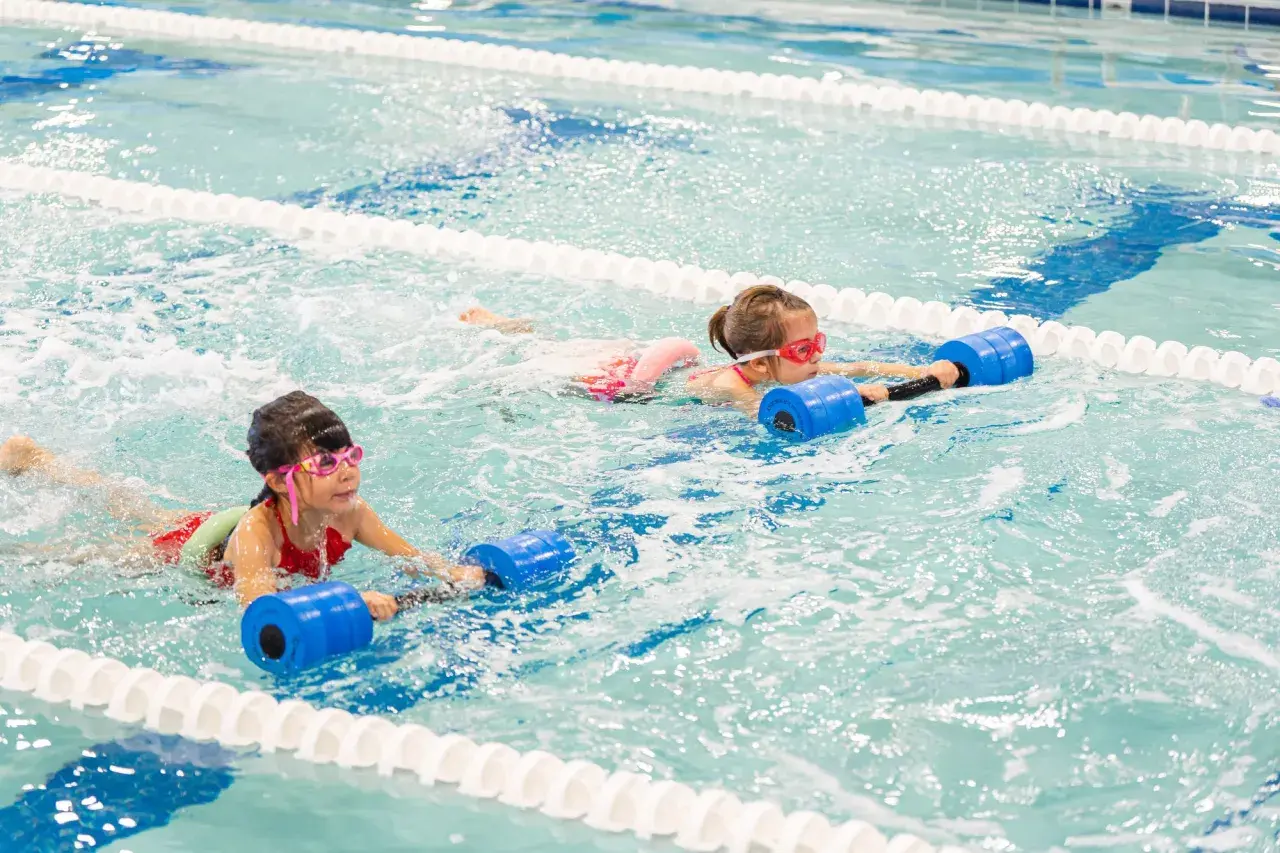
Learning to keep your face under water without tension is one of the fastest ways to improve breathing control, balance, and rhythm in the pool. Once that part feels normal, front crawl becomes easier to time, breaststroke looks less rushed, and even butterfly stops feeling chaotic. In this article I focus on what the skill actually trains, how to practise it safely, and how it changes from stroke to stroke.
What matters most before you start practising
- Exhale early and steadily instead of holding your breath until the last second.
- Start with short submersions of 3 to 6 seconds, then build only when you stay relaxed.
- In freestyle, a low head and smooth rotation matter more than forcing a long breath hold.
- Breaststroke and butterfly use brief, timed breaths; backstroke is the main exception because the face stays up.
- Calm repetition beats courage tests. Short, repeatable drills build confidence faster than long holds.
Why this skill matters more than most swimmers think
When I coach swimmers, I rarely treat facial submersion as a standalone trick. I see it as the base layer for breath control, body position, and timing. If the swimmer is anxious every time the face goes down, the stroke usually follows that tension: the head lifts, the hips drop, and the kick turns frantic.
That is why many beginner programmes in the UK start with bubbling, short dips, and easy glides before they ask for full strokes. The water on the face is not the problem; the rushed reaction to it is. Once that reaction settles, the swimmer can focus on the actual movement pattern instead of surviving each breath. That shift is what makes the next step, safe practice, so important.
How to practise it safely and build comfort
For most swimmers, the best progression is simple and boring in the right way. I prefer shallow water, short repetitions, and a predictable routine. Goggles help, but they do not replace a calm exhale. If the nose feels sensitive, an optional nose clip can help at first, although I would not rely on it forever.
- Stand in chest-deep water and take one calm breath through the mouth.
- Lower the face into the water for 3 seconds and blow a gentle stream of bubbles through the nose or mouth.
- Lift the face, reset, and repeat 5 times without rushing.
- When that feels easy, try 5 to 6 seconds with the same steady exhale.
- Next, add a short push-and-glide from the wall with the eyes down and the neck loose.
The key is to keep the work small enough that the body never tips into panic. I would rather see six calm attempts than one heroic one. Once that rhythm is stable, it becomes much easier to connect the skill to each swimming stroke.
How the face position changes across the main strokes
Not every stroke uses submersion in the same way. That is where a lot of swimmers get confused. The face does not simply “go under” and stay there; it follows the stroke mechanics. Here is the practical version I use most often.| Stroke | What happens to the face | Best cue | Common mistake |
|---|---|---|---|
| Freestyle | The face stays in the water most of the time, with quick turns for breathing. | Exhale while the face is down, then rotate the body to breathe. | Lifting the head instead of turning it. |
| Breaststroke | The face rises briefly on the pull, then returns to the water on the glide. | Let the shoulders lead the breath, not the chin. | Holding the head up too long and breaking the streamline. |
| Butterfly | The face comes up quickly for air, then returns before the next cycle settles. | Breathe fast, then place the face back down early. | Waiting too long to re-enter the water. |
| Backstroke | The face is mostly out of the water, so submersion is not part of the breathing pattern. | Keep the head still and the neck relaxed. | Tensing the chin and raising the head too high. |
Freestyle is where this skill matters most, because a swimmer who cannot relax with the face in the water usually breathes too late and too hard. Breaststroke and butterfly demand something different: a brief, well-timed breath, not a long pause. Once that difference is clear, the right drills become much more obvious.

Drills that make submersion feel normal
If I want the skill to stick, I use drills that repeat the same calm pattern until it becomes automatic. The point is not to test bravery. The point is to make breathing feel predictable.
- Bubble ladder - do 3 seconds, then 4, then 5, then 6. This teaches controlled exhalation without forcing a long hold.
- Wall glide - push off the wall, keep the face down, and count to 5 before lifting to breathe. Focus on staying long through the body.
- Kickboard exhale drill - kick gently with the face in the water, breathe out continuously, then take one quick breath when you need it. Rest 20 to 30 seconds between repeats if you are still learning.
- Side-balance drill - rotate onto one side so one goggle stays in the water and one comes out. This is especially useful for front crawl breathing because it teaches the body to rotate instead of the head lifting.
- Short swim repeats - swim a few easy lengths with a single technical focus: smooth exhale, quiet head, relaxed return to the water. Keep the pace easy enough that the skill stays clean.
I also like using small doses of rest. That breaks the habit of gasping and helps the swimmer feel in control. If you can keep the breathing pattern calm in short repeats, you are much closer to using it in real stroke work.
Common mistakes that turn a simple drill into a struggle
Most problems are not about lung capacity. They are about timing and tension. The swimmer tries to solve a breathing issue by working harder, and that usually makes the water feel more hostile, not less.
| Mistake | What it causes | What to do instead |
|---|---|---|
| Holding the breath underwater | Pressure builds up and the next inhale feels rushed. | Keep a light bubble stream going the whole time the face is down. |
| Lifting the head to breathe | The hips sink and the stroke loses its line. | Turn or rise just enough for air, then return the face quickly. |
| Trying to stay submerged for too long too early | Panic appears and technique breaks apart. | Shorten the repetition and repeat it cleanly. |
| Tensing the shoulders and jaw | The neck stiffens and the swimmer feels cramped. | Exhale, soften the jaw, and let the head feel heavy in the water. |
| Kicking harder to compensate | The body feels frantic and the breath becomes less controlled. | Keep the kick steady and let the breathing pattern settle first. |
The fix is usually simpler than the mistake. Relax the face, breathe out earlier, and reduce the size of the drill. That approach looks modest, but it tends to unlock much cleaner swimming than trying to force progress.
When to slow down or stop
I would not push submersion as a test of courage. That is the wrong metric. If a swimmer feels panicky, dizzy, or repeatedly gets water up the nose, the answer is to reduce the duration and make the drill easier, not harder. The same applies if the swimmer is recovering from illness, feels congested, or has any breathing issue that makes the pool session feel unusual.
- Keep repetitions short if the face still feels uncomfortable.
- Use more support, such as the wall or a float, when confidence drops.
- For children, make it playful and brief rather than competitive.
- If breathing symptoms are a concern, get qualified advice before progressing.
Good technique should feel repeatable, not dramatic. Once the swimmer can stay calm in short exposures, the next challenge is turning that calm into usable stroke rhythm.
The habit that pays off in the first 10 metres
The swimmers who improve fastest are rarely the ones who can stay down the longest. They are the ones who exhale early, stay loose, and return to the water without hesitation. That habit changes the first 10 metres of every length, because the body enters the stroke already organised instead of reacting late.
If I had to reduce the whole skill to one cue, it would be this: make the water feel ordinary. Once the face is no longer the problem, breathing becomes a timing skill rather than a stress response, and that is when swimming starts to feel efficient instead of effortful.
