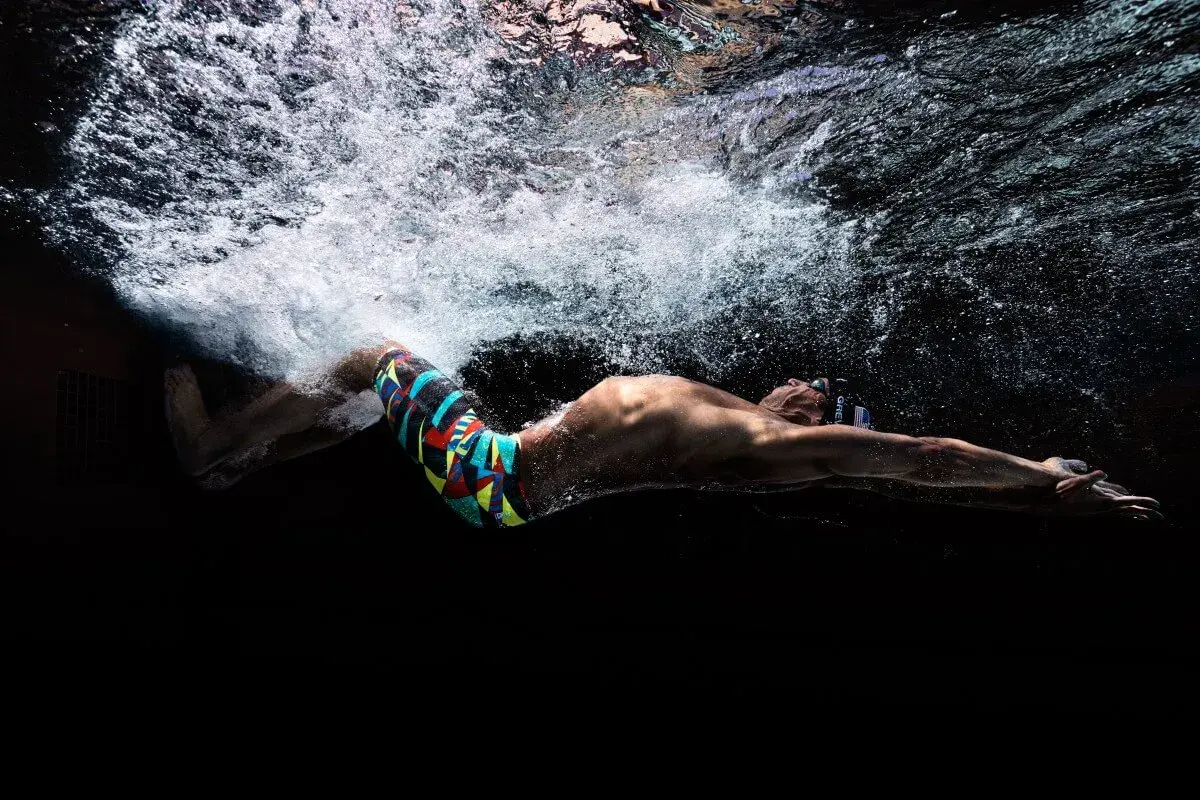
The TYR Avictor is a race-day tech suit built around compression, body position and a secure fit, so the real question is not whether it looks fast, but which strokes actually benefit from that design. The short answer to what strokes is the Avictor best for is freestyle, backstroke and butterfly, with IM swimmers close behind. Breaststroke is the least natural fit, mainly because the suit can feel firmer through the hips and groin. In the sections below, I break down where it shines, where it can feel overbuilt, and how I would choose it for a UK race calendar.
Key takeaways for choosing the Avictor
- Best overall fit: freestyle, backstroke and butterfly, especially in 50m and 100m races.
- Strong secondary use: individual medley and some 200s, if you want more support than freedom.
- Least natural match: breaststroke, because that stroke depends heavily on hip openness and timing.
- Main advantage: the Avictor is a compression-led suit, so it helps more when body line and core stability matter.
- Main limitation: if you size it too aggressively, the suit can start to fight your kick instead of helping it.
- Best use case: peak meets, not routine training or every minor gala.

The strokes the Avictor suits best
If I had to rank the Avictor by stroke, I would put freestyle first, backstroke second, butterfly third, individual medley just behind that, and breaststroke last. That does not mean the suit is bad for breaststroke; it means the suit’s strengths line up most cleanly with strokes that reward a long body line, firm core control and a clean kick.
| Stroke | How well it fits | Why it works | Main caution |
|---|---|---|---|
| Freestyle | Excellent | Supports a long line through the hips and trunk, which helps when you are trying to hold speed under fatigue. | Can feel a bit much if you prefer looser hip rotation. |
| Backstroke | Excellent | Stable hips and low drag help keep the body flat and high in the water. | Shoulders and upper back must still feel free enough for clean turnover. |
| Butterfly | Very good | Core compression can help maintain rhythm and reduce collapse in the body line. | Too much compression can blunt timing if the suit is sized too tightly. |
| Individual medley | Very good | Works well for swimmers who need a suit that feels balanced across multiple strokes. | It is still not the most forgiving option for breaststroke-heavy races. |
| Breaststroke | Mixed | Some swimmers like the locked-in support and the improved body position. | Hip freedom and groin comfort are usually the first things to feel restricted. |
The pattern is simple: the Avictor is more of a compression-led suit than a freedom-first suit. That makes it a strong choice when you want your body line to stay organised under race stress, and it explains why the next step is to look at the specific mechanics that make those strokes respond well to it.
Why compression helps more in some races than others
Tech suits work when they reduce drag and help you hold position. In plain English, hydrodynamic means “moving through water with less resistance,” and that is the real selling point here. The Avictor’s compression and core stabilisation help you keep the hips from dropping, which matters most in strokes where a flat, streamlined shape translates directly into speed.
That is why freestyle and backstroke tend to show the clearest benefit. In both strokes, a small loss of body line can cost you time every lap. Butterfly also rewards this, because the stroke is so rhythm-driven; if the trunk collapses, the whole motion gets messy fast. A suit that holds the midsection together can make the stroke feel more connected, especially in the back half of a race.
In my view, that is the most important lens for judging the Avictor: not “which stroke is fastest on paper”, but “which stroke loses the most when the body loses shape”. Once you ask that question, the hierarchy becomes much easier to read.Why breaststroke is the awkward one
Breaststroke asks for something different. The kick starts from the hips and knees, and the timing depends on a smooth outward sweep and recovery. If a suit is too restrictive through the hips or groin, the swimmer often feels it first in the kick width and then in the rhythm. That is why breaststroke specialists tend to be more selective with tech suits than freestylers or backstrokers.
I would not call the Avictor unusable for breaststroke. If you race breaststroke within a medley, or you like a firmer, more controlled feel, it can still make sense. But if breaststroke is your main event and you depend on maximum hip freedom, I would treat this suit as a second-choice option rather than the default. A suit can look fast and still be wrong for the mechanics of your best stroke.
That distinction matters because many swimmers confuse compression with speed. Compression can help stability, but if it steals range of motion from the stroke that needs it most, the net effect may be neutral or even negative.
Race distance changes the answer more than most swimmers expect
Stroke type is only half the story. Distance changes the picture as well. In general, I think the Avictor makes the most sense in 50m and 100m races, then in some 200s for swimmers who value support and posture over maximum looseness. That lines up especially well with sprint freestyle, backstroke, butterfly and a lot of IM racing.
For 200s, the answer depends on the swimmer. Some athletes like the Avictor because it holds its shape across multiple swims and keeps them feeling secure through the whole meet. Others find that a slightly more flexible suit lets them breathe, turn and settle better as the race goes on. That is not a flaw in the suit; it is just the reality that tech suits are tuned to different priorities.
If your main races are 400m and above, I would be more cautious. The Avictor can still work, but the value becomes more individual. At that point, the question is no longer “does the suit help?” but “does the suit help enough to justify the restriction?”. That is a much stricter test, and it is the one I would use before spending race-day money.
How I would choose it for a UK swimmer
For British club swimmers, age-group racers and juniors moving into championship meets, I would choose the Avictor when the race plan is clear: free, back, fly or IM first, with one or two key meets where a tighter, more supportive suit is worth it. That usually means county championships, regionals, nationals or a major club relay, not every Saturday gala.
Here is the checklist I would use before buying:
- Choose it if your best events are freestyle, backstroke, butterfly or IM.
- Choose it if you want more support through the torso and lower body.
- Be cautious if your best race is breaststroke and you hate any hip restriction.
- Do not size down just to feel “faster”; a suit that is too tight can disrupt your kick and breathing.
- If possible, try it in the same cut you will race in, because back style can change the feel as much as the fabric.
The final test is simple: after you put it on, do you feel organised and powerful, or merely squeezed? If the stroke feels cleaner within a few fast build lengths, the Avictor is probably doing its job. If you feel jammed up in the hips or late with your kick timing, I would move to a more forgiving cut instead.
The practical answer before you spend race-day money
If I were advising a swimmer today, I would say this: the Avictor is strongest for freestyle, backstroke and butterfly, very usable for IM, and least convincing for breaststroke-first swimmers. It is a suit for holding shape under pressure, not for opening up the body as much as possible.
So the decision is less about the brand name and more about what your stroke asks from your body. If your racing style depends on compression, stability and a clean line, the Avictor is a sensible pick. If your best events need maximum hip freedom, I would look elsewhere first. The right suit should make your best stroke easier to race, not harder to perform.
