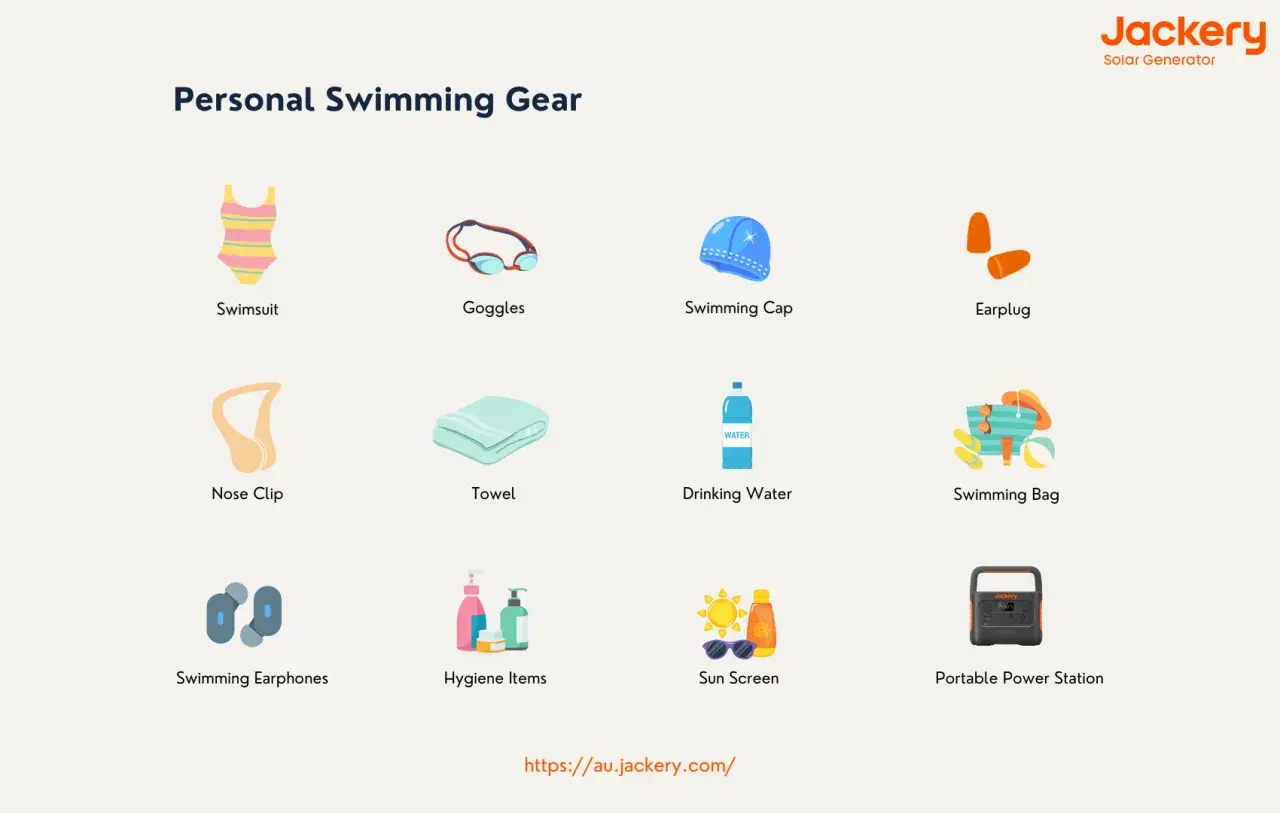
Knowing what to bring to swim lessons makes the whole session smoother for everyone in the building: the swimmer, the instructor, and whoever is managing the changing-room routine. I usually tell families and adult beginners to think in three layers: the kit you must have, the extras that make changing easier, and the few items that depend on the pool’s rules. The best packing list is simple, specific, and geared toward learning rather than showing up with a lot of unused gear.
The shortest version that still covers the important bits
- Bring close-fitting swimwear, a towel, and a bag for wet kit before you worry about anything else.
- Goggles and a swim cap are useful, but they are often optional unless your pool says otherwise.
- For babies and toddlers, swim nappies, spare clothes, wipes, and warm layers matter more than fancy accessories.
- Arrive 10 to 15 minutes early so you can change, settle in, and speak to the instructor if needed.
- Shower before entering the pool and keep jewellery, toys, and other distractions to a minimum.
- Pack a water bottle and a dry change for after the lesson; a small wet bag saves a lot of hassle on the way home.
Build the swim bag around the essentials first
I like to start with the items that solve the biggest problems fast: comfort, warmth, visibility, and dry transport. If those are covered, the rest is just convenience.
| Item | Why it matters | My practical note |
|---|---|---|
| Close-fitting swimwear | Lets the swimmer move freely and helps instructors see body position more clearly. | For many UK pools, snug fit is better than loose trunks or baggy costumes. |
| Towel | Gets the swimmer dry and warm after the lesson. | A hooded towel is especially useful for children and colder months. |
| Goggles | Protect the eyes from chlorinated water and make face-in-water work less intimidating. | Useful for most learners, but not essential on day one if they feel fiddly. |
| Swim cap | Keeps hair out of the face and can reduce drag a little. | Often helpful for long hair; some pools recommend or require it. |
| Wet bag | Keeps damp swimwear away from dry clothes and stops the rest of the bag getting soggy. | A waterproof or mesh bag works well. |
| Water bottle | Helps the swimmer rehydrate after the session. | Plain water is enough for most lessons. |
That base kit is enough for most standard sessions. From here, the best additions depend on who is going to the pool and how the venue runs its classes.

Pack differently for babies, children, and adults
Not every swimmer needs the same kit, and this is where people often overpack or miss one important item. The age group and class style matter more than the brand of the gear.
| Swimmer | Best additions | Why I would pack them |
|---|---|---|
| Babies and toddlers | Swim nappies, spare nappies, wipes, barrier cream, extra towel, warm clothes, hat | Hygiene and warmth are the main issues, and many classes require a specific nappy setup. |
| Children | Spare underwear, socks, hair tie or brush, snack for after, water bottle, optional goggles | A clean, dry change keeps the end of the lesson calm instead of rushed. |
| Adults | Robe or large towel, flip-flops or pool shoes, shower kit, spare underwear, wet bag | Adults usually want quicker changing and a bit more comfort in shared spaces. |
For babies, check the class rules before you go. Many UK programmes ask for a swim nappy, and some use a double-nappy system with an outer swim nappy over a disposable or reusable layer. For adults, the lesson may be short, but a robe or easy cover-up makes the changeover far less awkward. Children usually sit somewhere in the middle: they need comfort, but they also need enough structure to get in and out without a drama.
Bring the items instructors quietly rely on
A good instructor is there to teach movement, breathing, confidence, and timing. The less time they spend helping with avoidable logistics, the more of the session goes into actual swimming.
- Arrive early. Ten to 15 minutes is a sensible target, especially for a first lesson, because it gives you time to check in, find the changing area, and settle nerves.
- Shower before getting in. Many pools expect swimmers to shower and use the toilet beforehand, and that is not just a hygiene issue. It keeps the lesson moving.
- Keep jewellery to a minimum. Rings, necklaces, and dangling earrings can get in the way, and some venues do not allow them at all.
- Wait for the instructor. Do not send children into the water until they are told to enter, even if they are eager to start.
- Tell staff about medical needs. Allergies, asthma, sensory issues, or anything that changes how a swimmer needs to be handled should be flagged early.
- Ask before bringing extras. Floats, toys, and training aids are not always welcome unless the teacher has approved them for that class.
That lines up with the rules at some UK facilities, including the University of Portsmouth, where showering first, no jewellery, and no food in the changing rooms are all spelled out clearly. In practice, the safest approach is simple: assume the instructor wants a clean, prepared swimmer, not a suitcase of gadgets.
Small extras that make lesson day easier
These are the items people forget because they are not technically essential, but they usually make the day feel much better.
- A dedicated swim bag. Keeping pool kit in one place saves time and stops you hunting for goggles five minutes before leaving.
- Flip-flops or pool shoes. They are useful on wet floors and in busy changing rooms, especially in colder weather.
- A brush or hair ties. Wet hair is annoying enough without trying to sort it out in the car park.
- A snack for after the session. Use it once the lesson is done and only where the venue allows food; a child who swims well is often suddenly very hungry.
- A locker coin or token. Not every pool uses the same system, so it helps to have one ready rather than asking around at the desk.
- Spare underwear and socks. It sounds minor, but this is the detail that prevents a cold, uncomfortable ride home.
- Labels on key items. Name tags on towels, caps, and bottles are useful in busy family changing rooms where gear gets mixed up fast.
I also like a waterproof or mesh wet bag more than a loose plastic carrier. It separates the damp gear properly, which matters more than people expect once the whole bag has been closed and shaken around.
What to leave out unless the pool asks for it
Overpacking is as common as underpacking. The goal is to remove friction, not to turn swim day into a mobile changing room.
- Loose jewellery. It is easy to lose, uncomfortable in the water, and often unnecessary.
- Bulky toys and flotation aids. Unless the instructor wants them for a specific drill, they usually just distract the swimmer.
- Heavy meals right before class. A light snack is fine if needed, but a full meal before the pool can make a child or adult feel sluggish.
- Expensive valuables. Pools are busy places, and the less you bring, the less you need to watch.
- Baggy swimwear. Some venues will not allow it, and even when they do, it can make learning harder.
If you are unsure about a venue rule, check the booking email or call ahead. A two-minute check is much better than turning up with the wrong kit and trying to improvise before a lesson starts.
The simplest routine I would use every week
When swim lessons become a regular part of the week, the packing routine should become boring in the best possible way. I would keep a permanent bag with swimwear, towel, goggles, cap, wet bag, and a spare change of clothes, then top it up the night before with snacks, water, and any age-specific items.
The cleanest system is this: pack the bag once, repack it immediately after each lesson, and leave a small note inside the front pocket for anything the pool expects differently. That way, the question is no longer what to bring to swim lessons, but whether the bag is already ready by the door.