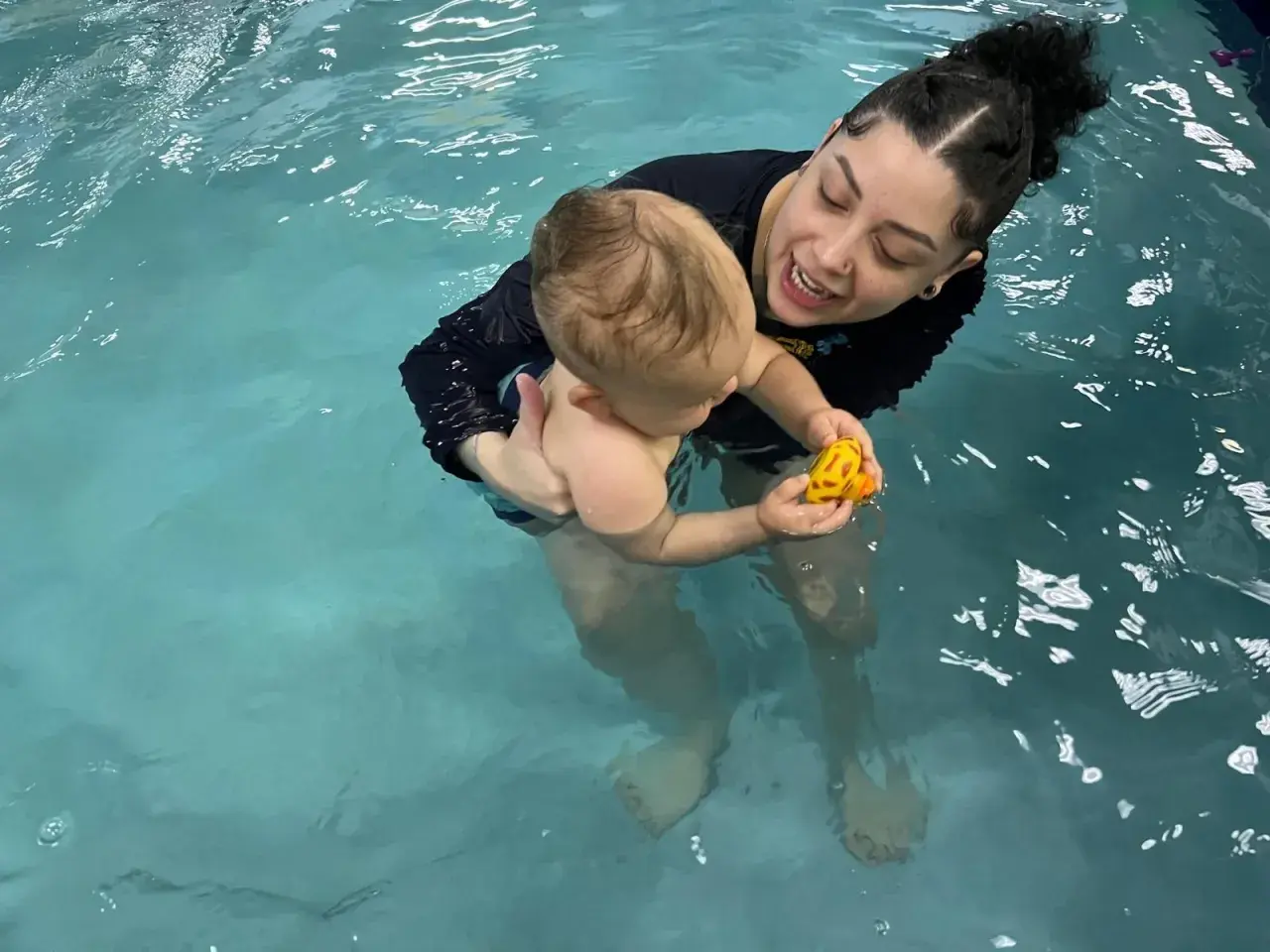
For the question of can you swim with tubes in your ears, the practical answer is usually yes once the ear has healed, but the details matter more than people expect. In the UK, these tubes are usually called grommets, and a clean pool, a beach swim, and a lake do not carry the same risk. I would separate the decision into healing time, water type, and the symptoms that should make you stop.
Most swimmers can return, but the first few weeks and the water type decide the risk
- Surface swimming in a clean, treated pool is usually the easiest place to restart once the ear has healed.
- The first 2 to 4 weeks after surgery are the period when most surgeons want extra caution.
- Deep diving, underwater drills, lakes, rivers, and dirty water are more likely to cause trouble than calm lap swimming.
- Ear plugs are optional for many swimmers, but they make sense if water causes pain, if there is drainage, or if you swim in open water.
- Any ear discharge, pain, fever, or hearing change after swimming deserves a pause and a proper check.
The short answer is usually yes after the healing window
The NHS describes a grommet as a small tube that drains fluid away and keeps the eardrum open. That is the key point: the tube is there to help the middle ear ventilate, not to make the ear untouchable by every drop of water. In most cases, once the tiny incision has settled, casual swimming becomes possible again.
I would still be careful with the timing. A common aftercare window is at least 2 weeks before any swimming, and some surgeons give a more cautious 2 to 4 weeks. If your own leaflet is stricter than that, follow the leaflet. Most grommets fall out naturally within 6 to 12 months, so this is usually a temporary rule set rather than a permanent lifestyle change.
If the tube has already fallen out and the eardrum has not fully closed, the advice changes again. At that point I would treat the ear more like a perforated eardrum and keep it dry until a clinician says otherwise. Once that difference is clear, the next question is which water and which style of swimming carry the least risk.
The water you choose changes the risk
I do not treat all water the same, and I would not advise anyone else to either. A calm, chlorinated pool is a very different environment from a lake or a hot tub, and the pressure from diving is different again. This is where a lot of confusion starts, because people hear “you can swim” and assume every setting is equally safe.
| Water type | Usual risk level | What I would do |
|---|---|---|
| Chlorinated pool | Lowest | Start here once the healing period is over. Surface laps are usually the calmest test. |
| Sea | Low to moderate | Often acceptable near the surface, but I would avoid rough water and repeated submersion. |
| Lake or river | Higher | Natural water carries more microbes, so I would use protection or pick another venue if the ear is sensitive. |
| Bath or shower | Low to moderate | Plain water is usually less of a problem than soapy water, but I would avoid directing water into the ear. |
| Hot tub | Higher | Warm, shared water is not where I would test a fresh set of tubes. |
| Diving and underwater drills | Highest | Pressure is the issue here, so I would wait for explicit clearance. |
The practical lesson is simple: treated water and shallow swimming are usually the safest starting point, while untreated water and pressure-heavy swimming deserve more caution. That difference is why the next layer of the decision is not just the water, but whether you use any extra protection.
When extra protection is worth using
I do not think every swimmer with tubes needs ear plugs, and I would not turn them into a ritual. Ear plugs are a tool, not a rule. They are most useful when the ear is sensitive, when there has been drainage before, or when the water itself is less predictable.
These are the cases where I would seriously consider protection:
- Water entering the ear causes pain or obvious discomfort.
- There is current or recurrent ear discharge, which clinicians call otorrhoea.
- You are swimming in lakes, rivers, or other natural water rather than a treated pool.
- You are spending time under water rather than staying near the surface.
- Your own ENT team has already told you that your ears need extra care.
For the actual gear, soft swim plugs or custom moulded plugs are the most sensible options. A neoprene headband can help keep them in place, but it is not a seal on its own. For showering or bathing, some surgeons still prefer a simple waterproof barrier such as cotton wool with petroleum jelly, which is a shower solution rather than a swimming one. I would avoid improvised materials and stick to proper swim gear if you need a barrier.
That said, protection only helps if your return to the pool is otherwise sensible, and that means building the swim back in a little at a time.
How I’d get back in the pool safely
If I were advising a swimmer stepping back in after grommet surgery, I would keep the restart simple and boring. The goal is not to test courage, it is to see how the ear behaves under normal conditions.
- Wait for the healing period your surgeon gave you, even if you feel fine sooner.
- Restart with a short session in a clean, treated pool rather than open water.
- Begin with surface swimming and easy lengths before adding harder sets.
- Leave diving entries, deep submersion, and repeated underwater work for later.
- Dry only the outside of the ear after the session and watch for the next 24 to 48 hours.
For lap swimmers, a calm lane session is a very different thing from a dive start, a long underwater kick set, or repeated flip turns. Those pressure-heavy movements are the last part I would bring back, not the first. If the ear feels fine after a few easy sessions, that is a better sign than trying to prove anything in one hard workout.
Even with a sensible plan, some symptoms mean you should stop and get checked rather than pushing on.
Warning signs that mean you should stop
The warning signs are usually straightforward, and I would not ignore them if they show up after a swim. A little trapped water is one thing. Pain, discharge, or a hearing change is a different conversation.
- Ear pain during or after swimming.
- Drainage from the ear, especially if it is yellow, thick, or smelly.
- Fever or feeling generally unwell after swimming.
- Sudden muffled hearing or a blocked feeling that does not settle.
- Dizziness, balance problems, or a spinning sensation.
- Repeated infections after swimming, even if each one seems mild at first.
If any of those happen, I would keep the ear dry and ask for medical advice before returning to the pool. If there is active drainage, I would be especially cautious because that usually means the ear is already irritated, and more water is unlikely to help.
The rule I’d use before the next swim session
My own rule is easy to remember. If the ear is still healing, I would not swim. If the ear has healed and the water is treated, surface swimming is usually the least risky place to start. If the water is natural, the swimming is deep, or the ear has already shown a tendency to drain, I would add protection or hold off.
That is the most honest answer I can give for everyday swimmers in the UK. Swimming with grommets is often possible, but the right choice depends on where you are swimming, how deep you go, and how your own ears have behaved since surgery. When your ENT team gives you a more cautious plan, I would follow that over any general advice, because they know the tube type, the ear condition, and the details that matter most.