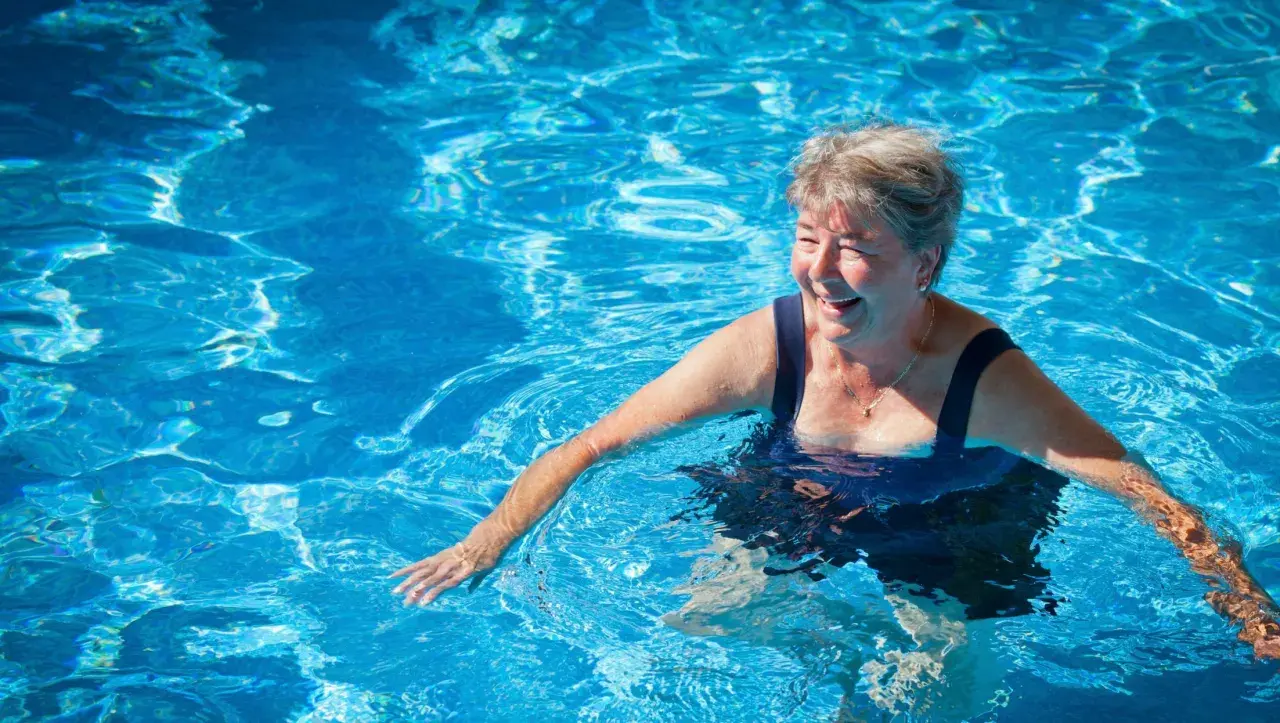
What matters most before you get back in the pool
- Swimming is usually possible after pacemaker recovery, but not immediately after the procedure.
- Do not immerse the wound until it is fully closed and your clinician has cleared you.
- Many UK discharge plans put a return to normal exercise around the six-week mark, though some people need less or more time.
- Heated pools are usually a better first step than cold open water.
- Stop straight away if you get chest pain, palpitations, dizziness, breathlessness, or any wound redness, swelling, or discharge.
The short answer and why timing matters
If the implant has healed properly, swimming is normally part of life again. What I would not do is assume that the pacemaker itself is the barrier, because it usually is not. The early limit is the healing tissue around the device and the need to protect the leads while they settle.
That is why the answer is not a simple yes or no. A swimmer who had a pacemaker fitted months ago and feels well is in a very different position from someone who had the procedure last week. The first person may be back in the pool already; the second should be thinking about wound care, shoulder movement, and follow-up checks first. That timing question is where most mistakes happen, so I break it down next.What recovery usually looks like
In the UK, the advice I see most often follows the same basic pattern: keep the wound dry at first, avoid strenuous upper-body work while the leads settle, then build back gradually. Some NHS discharge leaflets say not to immerse the wound for the first seven days and to avoid swimming until it has healed; the British Heart Foundation says most people can return to activities like swimming once they’ve recovered, usually after about six weeks or at the first pacemaker clinic check-up.
| Recovery stage | What usually makes sense | Why it matters |
|---|---|---|
| First 7 days | No swimming or baths; keep the wound dry. | The skin needs to close cleanly before immersion. |
| Weeks 1 to 6 | Follow your clinic’s plan and avoid hard shoulder work unless you have been cleared. | The leads and chest wall are still settling. |
| After the first check-up | Easy pool sessions are often the first return step if the wound is healed and you feel steady. | This is when many people are ready for a gradual rebuild. |
| Longer recovery plans | Some swimmers need 6 to 8 weeks or more before full training. | Healing speed, device type, and other heart conditions change the timeline. |
Leadless pacemakers and more complex cardiac histories can change the details, so I would never copy someone else’s timeline from a forum or a poolside conversation. Once the wound is settled, the bigger question becomes how to re-enter the water in a way that builds confidence rather than symptoms.

How to return to the water without overdoing it
When I help swimmers think through a return, I keep it simple: start easy, keep the session short, and treat the first few swims as re-entry rather than training. The goal is to see how the chest, shoulder, and breathing respond before you try to rebuild pace or volume.
- Get the all-clear from your cardiology team or pacemaker clinic.
- Check that the wound is dry, closed, and comfortable in normal clothing.
- Start in a heated pool rather than open water.
- Swim for 10 to 15 minutes at an easy pace, then stop while you still feel fresh.
- Avoid hard push-offs, dive starts, sprint sets, and aggressive turns at first.
- Build duration before intensity, and intensity before race pace.
- Swim with someone else nearby for the first few sessions, especially if you have had symptoms before the implant.
Pool, open water, and cold water are different risks
Not all swimming environments carry the same level of stress for someone with a pacemaker. A warm indoor pool is usually the easiest place to restart because the temperature is stable, the effort is predictable, and you can stop quickly if something feels off. Open water asks more of your body, and cold water adds another layer again.
The British Heart Foundation notes that water around 26 to 33C is the safest range for people with heart conditions, and that very cold water can trigger cold shock, a faster heart rate, a rise in blood pressure, and shortness of breath. In the UK, sea water is often well below that band, which is why I would treat a heated pool as the sensible first step and cold-water swimming as a separate decision, not an automatic next move.
| Setting | Best use | Main caution |
|---|---|---|
| Heated pool | Best place to restart after healing | Still avoid overtraining in the first few sessions |
| Outdoor pool | Good once you know your body handles the effort well | Cooler air and water can make breathing feel harder |
| Open water | Only after you are confident in the pool again | Waves, distance, and cold can make symptoms harder to judge |
| Cold water | For experienced swimmers with medical clearance | Cold shock and breath stress are the big extra risks |
If you do return to open water, I would be cautious with long swims, isolated spots, and anything that makes a quick exit difficult. A pacemaker does not mean you can never swim outside, but it does mean you should respect the environment instead of treating it like a normal lane session. Even with the right setting, you still need to know which symptoms should stop a session immediately.
Warning signs I would never ignore
Swimming should feel like exercise, not a test of whether you can tolerate alarming symptoms. If something feels wrong, the best move is to stop, get out of the water, and sort out the cause before you go back in.
- Chest pain, pressure, or tightness
- Palpitations or a sudden racing, fluttering, or uneven heartbeat
- Dizziness, faintness, or feeling as if you might black out
- Shortness of breath that seems out of proportion to the effort
- Unusual fatigue that does not match the session
- Redness, swelling, discharge, or increasing tenderness around the implant site
- Fever or feeling generally unwell after a recent implant
The wound matters too. If the chest area becomes more painful after a swim, if water has soaked a dressing too early, or if the scar looks angry rather than steadily calmer, that is a reason to pause and ask for medical advice. The final piece is the part swimmers often overlook: the habits that make the sport easier to keep doing long term.
The habits that keep swimming comfortable long term
Once you are back in the water, I would keep the routine boring at first and only get ambitious once you know your body is calm. Keep your pacemaker card in your swim bag, stay on top of follow-up appointments, and build volume slowly enough that you can tell the difference between normal effort and a genuine warning sign. If you use a wetsuit for open water, make sure it does not rub across the scar or press uncomfortably on the upper chest.For most swimmers, the real win is not returning to a perfect training plan on the first day back. It is getting back to a consistent, sustainable pattern: easy pool sessions, gradual distance increases, and a sensible respect for cold water and hard sets. If I had to reduce the whole topic to one rule, it would be this: heal first, rebuild second, and let the water come back into your routine at the speed your body actually supports.