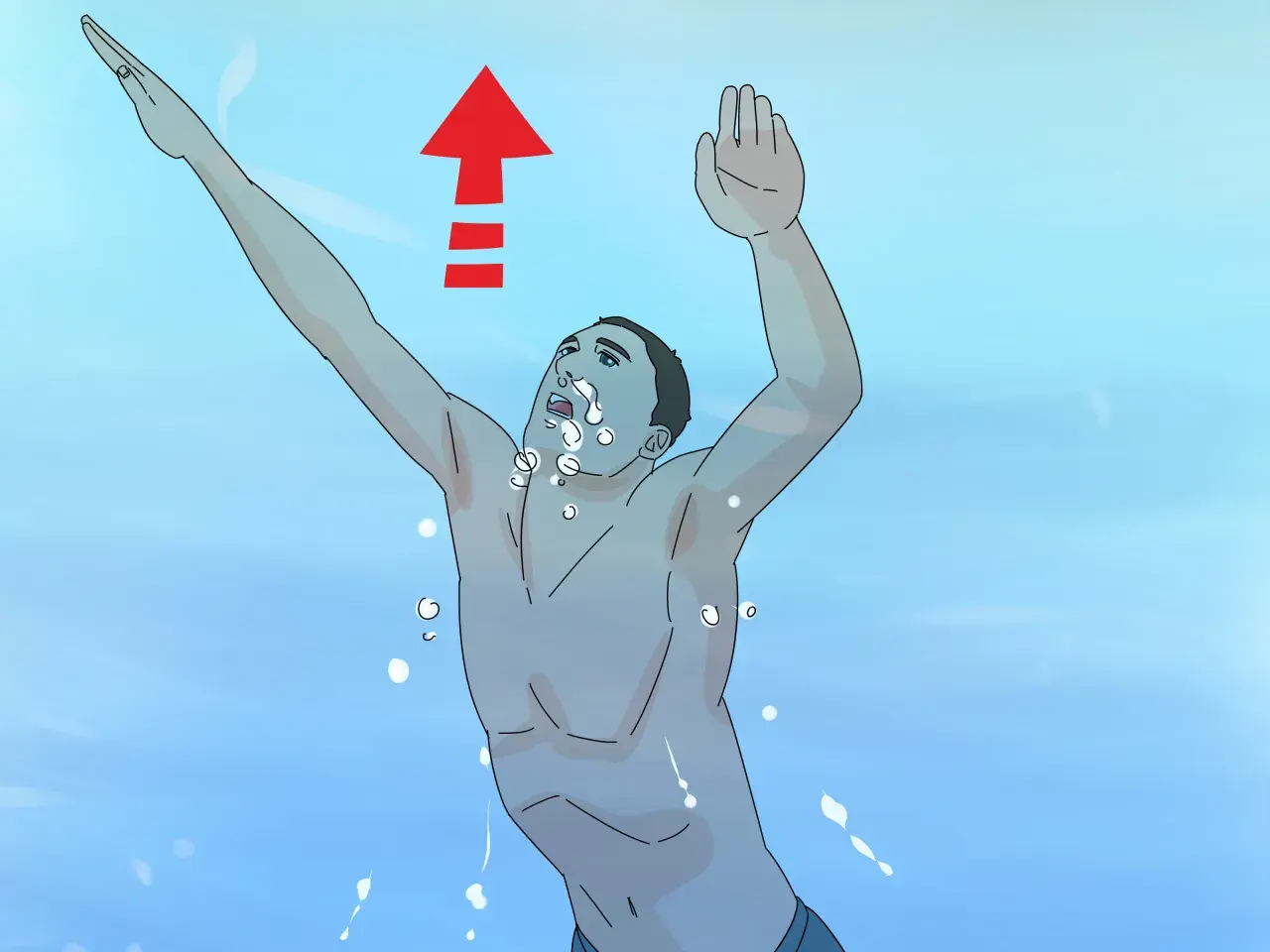
Breathing in the water is one of the first skills that separates tense swimming from efficient swimming. For anyone trying to understand how to breathe in water, the real answer is not to inhale beneath the surface; it is to exhale steadily while submerged and take a quick, clean breath when your mouth clears the water.
That sounds basic, but the timing changes across freestyle, breaststroke, butterfly, and the underwater phase after starts and turns. I’m going to break down the breathing pattern, the drills that make it feel natural, the mistakes that cause panic, and the safety limits I would never ignore.
Key points that keep underwater breathing under control
- You do not literally breathe underwater. The skill is exhaling while submerged and inhaling quickly above the surface.
- Continuous bubbles, sometimes called trickle breathing, keep carbon dioxide from building up and reduce that panicked “air hunger” feeling.
- Freestyle, breaststroke, butterfly, and backstroke all use different timing, but the rule stays the same: exhale first, inhale briefly.
- Short drills such as bobs, glides, and controlled push-offs build comfort faster than breath-holding games.
- In U.S. racing, the underwater phase after a start or turn is limited, so breakout timing matters as much as breath timing.
What this question really means in the pool
You cannot literally breathe underwater with a normal swimming stroke. What swimmers call breathing in the water is really a timing skill: you keep air moving out while your face is submerged, then you inhale fast and relaxed during the brief window above the surface.
I teach beginners to think in two phases, exhale underwater, inhale above water. That sounds almost too simple, but it prevents the two habits that cause most problems: holding the breath until panic builds, and trying to do both the exhale and inhale during the tiny surface window.In U.S. pool racing, the underwater phase after a start or turn is also limited, so this is not just a comfort skill. It affects how clean your breakout looks, how long you stay streamlined, and whether you surface ready to swim instead of gasping. The next step is learning the breathing pattern that works across strokes.

The breathing pattern that keeps you calm underwater
The pattern I want swimmers to build is steady, not dramatic. As soon as your face goes back in, start releasing air through your nose, mouth, or both. The exhale should feel like a controlled stream of bubbles, not a burst at the end of the lap.
Here is the order I use most often in coaching:
- Take a quick breath the moment your mouth clears the surface.
- Return your face to the water and begin a smooth exhale immediately.
- Let the exhale continue through the underwater part of the stroke or glide.
- As you prepare to breathe again, finish with a slightly stronger release so the next inhale is easy and fast.
The technical term many coaches use for this is trickle breathing, which just means a continuous, controlled stream of bubbles. I prefer it because it keeps carbon dioxide from piling up and reduces the urge to rush the next breath. If you can hear or feel the bubbles, you are usually doing it correctly.
This pattern matters even more in freestyle and butterfly, where the breathing window is short. Once this rhythm is comfortable, the underwater phase after a start or turn gets much easier to manage.
How the underwater phase after starts and turns changes the job
The underwater phase is different from normal lap breathing because you are often in streamline, moving fast, and not thinking about the next arm cycle yet. That is exactly why breath timing matters there: if you leave the wall with your lungs full of stale air, the first few seconds feel rushed and the breakout gets sloppy.
I want swimmers to leave the wall with enough air for control, not with a chest packed so tight that they panic halfway through the glide. A calm, partial exhale during the dolphin kicks or glide keeps the body stable and helps the brain stay quiet. You do not need to empty your lungs all at once; you need enough release to stay relaxed and ready to breathe when you surface.
For competitive swimmers in the United States, the underwater distance after a start or turn is limited to 15 meters before the head must break the surface. That rule matters because it gives you a hard boundary: underwater work should support speed and efficiency, not turn into a long breath-holding contest.
My rule here is simple. Stay streamlined, keep the exhale controlled, and plan your breakout so the first breath after surfacing is short and automatic. That leads directly into stroke-specific timing, because each stroke gives you a different breathing window.
How each stroke changes the timing
The mechanics are not identical across strokes. If you copy freestyle breathing into breaststroke or butterfly, the timing gets awkward fast, and the water will usually punish the mistake immediately.
| Stroke | Best breathing cue | Common mistake |
|---|---|---|
| Freestyle | Rotate with the body and inhale quickly through the mouth while one goggle stays in the water. | Lifting the head forward instead of turning it with the torso. |
| Breaststroke | Inhale as the pull lifts the chest, then exhale during the glide and as the face drops. | Holding the breath through the glide, which makes the stroke feel heavy. |
| Butterfly | Inhale at the end of the pull, then return the face to the water immediately. | Staying up too long and breaking the rhythm of the stroke. |
| Backstroke | Breathe naturally because the face is usually above the water, and stay relaxed through turns and splash. | Freezing the breath every time water hits the face. |
That difference is why I separate stroke timing from practice drills. Once the stroke itself makes sense, the drills stop feeling like exercises and start feeling like useful repetitions. The next section is where that comfort gets built.
Drills that make underwater breathing feel normal
I would rather see 5 to 10 focused minutes of breathing work than a full lane of breath-hold games. The goal is not to test how long you can stay down. The goal is to make the inhale-exhale rhythm automatic while the body is moving.
- Wall bobs - Stand in chest-deep water, submerge, exhale as you sink, then rise and take a quick breath. Do 8 to 10 easy repeats.
- Streamline glides with bubbles - Push off the wall in a tight line and let a thin stream of bubbles out while you glide 3 to 5 meters. This teaches calm exhalation without arm action.
- Short dolphin kickouts - After a push-off, stay streamlined and kick underwater with a controlled exhale, then surface before you feel rushed. Keep the distance short and repeat 4 to 6 times.
- Side-breath freestyle repeats - Swim a short length and focus only on turning the head smoothly and keeping one goggle in the water. This removes the panic that comes from looking for air too late.
If I add one technical cue, it is this: hum softly or make a steady bubble stream when you exhale. That keeps the release gentle and stops swimmers from clamping down on their breath. It also makes it obvious when the exhale has stopped.
These drills work only when they stay calm. If you feel dizzy, rushed, or oddly lightheaded, stop and return to normal breathing. Breath-control work should train rhythm, not chase discomfort. That is also where many swimmers make their biggest mistakes.
The mistakes that make swimmers panic
The first mistake is holding the breath until you need a giant inhale. That spikes air hunger because carbon dioxide rises, and your stroke gets stiff before your body is actually out of oxygen. The panic usually starts before the next breath even arrives.
The second mistake is lifting the head straight up for air. That sinks the hips, increases drag, and usually makes the next breath harder, not easier. I would rather see a small, fast turn of the head than a dramatic reach for air.
The third mistake is waiting too long to exhale. If your lungs are still full when your face turns up, the inhale becomes rushed and shallow. You want the breath to feel available, not forced.
The fourth mistake is using long underwater breath-hold sets as if they were a shortcut. That kind of training has a place only in a supervised plan, and even then the goal is rhythm and efficiency, not seeing how long you can stay submerged. I never treat underwater breath-holding as a solo challenge.
The fifth mistake is forgetting that the urge to breathe is often about carbon dioxide, not just oxygen. Once swimmers understand that, they stop treating every uncomfortable moment as a sign that something is wrong. Usually it is just a sign that the exhale is late.
When those errors are removed, the skill starts to feel much simpler. The final piece is turning all of it into a short practice routine you can actually repeat.
The safest way I would build this into your next swim
If I had to reduce the whole skill to one routine, I would keep it deliberately boring: 2 minutes of relaxed wall breathing, 4 to 6 bobbing reps, then 4 to 8 short swims where you focus only on steady bubbles and a quick inhale. That sequence teaches rhythm without turning the pool into a breath-hold test.
From there, I would move the same pattern into your actual stroke. Freestyle gets the most obvious benefit, breaststroke gets smoother glide timing, butterfly feels less frantic, and backstroke becomes less reactive to splash. The same rule keeps working, even though the strokes look different on the surface.
If you swim open water, the same breathing principle still applies, but the timing window is tighter because chop, sighting, and body position keep changing. That is where the calm exhale matters most, because it gives you a breathing pattern that holds up when the water is less predictable.
The simplest thing to remember is this: do not chase underwater air, manage the rhythm around it. Exhale early, breathe briefly, stay streamlined, and build comfort with short, repeatable drills. That is the version of underwater breathing that actually carries over into better swimming.