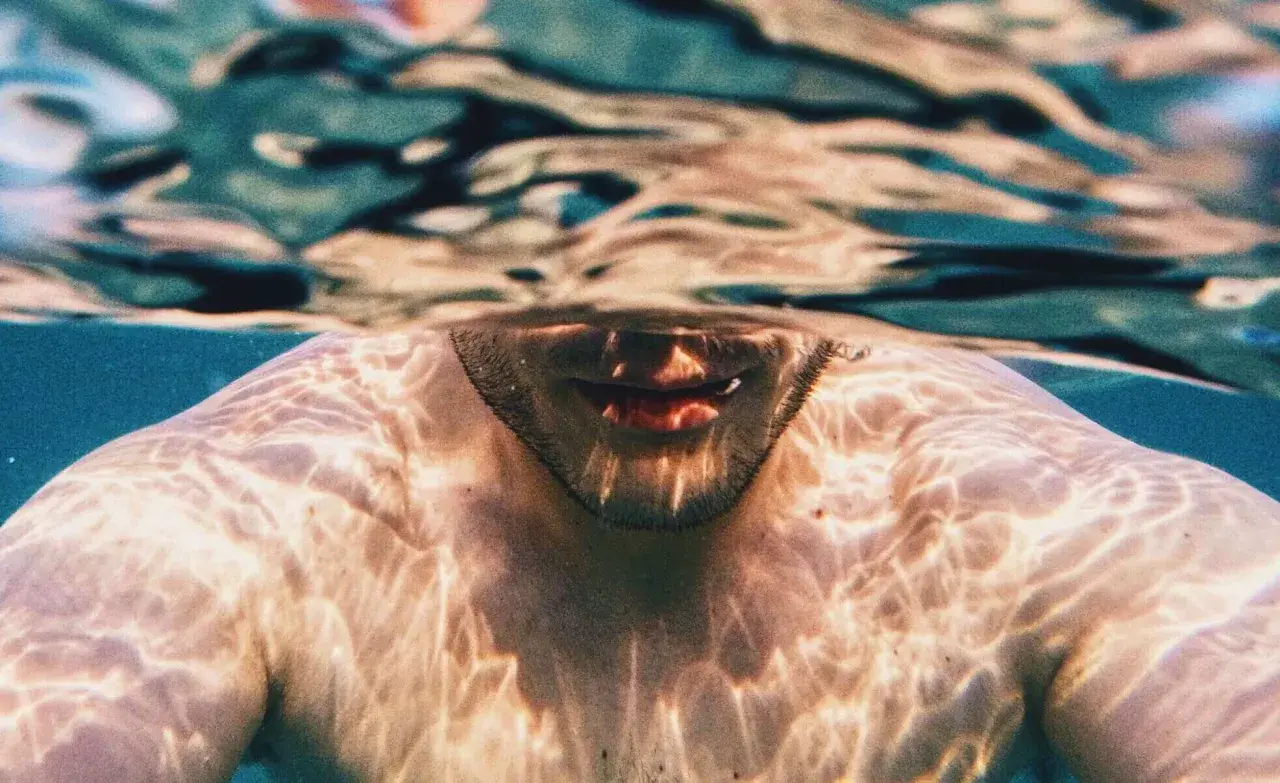
The real goal is calm bubble breathing, not trying to inhale underwater
- Start with exhaling underwater; that is the part most beginners miss.
- Use shallow, supervised water where you can stand and reset easily.
- Keep the inhale short and take it at the surface, not while your face is still down.
- Avoid long breath-holds and hyperventilating; both make technique worse and increase risk.
- Freestyle, breaststroke, and butterfly all use different breathing timing, but the same calm exhale foundation.
- Short, repeated practice works better than trying to force progress in one long session.
What beginners are actually learning underwater
I usually start with a correction: the body does not learn to inhale underwater, it learns to manage air underwater. That means a steady exhale through the nose or mouth while your face is submerged, then a quick, controlled inhale as soon as you surface. The moment people stop trying to “save” every breath, they relax more, float better, and move with far less effort.
This is why beginner swimming lessons in the UK often begin with bubbles, face immersion, and simple bobbing rather than with full stroke work. Swim England treats that as a core aquatic skill for a reason: if you can stay calm with your face in the water, everything else becomes easier later on. Breath control is the base layer; stroke technique comes after it, not before it.That also means you should not chase a dramatic lungful of air before every dip. For beginners, the useful rhythm is small and repeatable: breathe in above the surface, exhale under the surface, recover, and repeat. Once that pattern feels obvious, the next step is to practise it where the water is shallow and the risk stays low.
The safest way to start in the pool
When I work with novices, I keep the first session almost boring on purpose. Boring is good here. You want a setup that removes noise so you can notice how your breathing actually behaves.
- Stand in a shallow, supervised part of the pool where you can still plant your feet.
- Hold the wall lightly if that helps you feel stable.
- Take one normal breath in through your mouth.
- Put your face in and exhale gently for 3 to 5 seconds, making bubbles.
- Lift just enough to inhale quickly, then put your face back down and repeat 6 times.
Two details matter more than most beginners expect. First, the exhale should be steady, not explosive. If you blast all your air out at once, you create a panic response and then rush the inhale. Second, the inhale should be short and efficient; you are not trying to take a giant, theatrical breath every time your mouth clears the surface.
If your chest feels tight, shorten the exhale rather than forcing a longer one. If you feel panicky, return to the wall and breathe normally for a few seconds before trying again. That simple reset is often what separates useful practice from a bad session. From there, drills make the pattern automatic.
A drill sequence that builds breath control without panic
I like to break this skill into three small drills. Each one isolates a different part of the breathing pattern, so the swimmer is not trying to solve everything at once.
| Drill | How to do it | What it teaches | Common mistake |
|---|---|---|---|
| Bubble bob | Take a breath, submerge your face, blow bubbles, rise, and repeat 6 times. | Comfort with face immersion and gentle exhalation. | Holding the breath until the last second. |
| Wall glide | Push off gently, keep the face down for a short glide, then recover to breathe. | Body position and calm recovery. | Lifting the head too early and breaking the line. |
| Kickboard breathing | Kick with the face in the water, count to 6, turn to breathe, and return face down. | Timing the inhale with movement. | Trying to inhale while still looking forward. |
The biggest win here is that the swimmer learns to trust the exhale. Once bubbles feel normal, the surface inhale no longer feels like a rescue attempt. That is the bridge into stroke-specific breathing.
The mistakes that make breathing underwater feel impossible
Most beginners do not actually have a lung problem. They have a timing problem, plus a habit problem. A few common mistakes show up again and again:
- Holding the breath too long and then rushing to empty it all at once.
- Lifting the whole head forward instead of turning or rising just enough to breathe.
- Exhaling too violently, which creates tension and wastes air.
- Trying to practise repeated underwater breath-holds instead of short controlled drills.
- Training alone when you are still uncomfortable with submersion.
- Hyperventilating before a swim, which is unsafe and makes breath control less reliable.
Swim England is very clear that prolonged breath-holding should not be encouraged, especially for young swimmers, and that underwater breath-holding should never become a repeated game. The practical safety message is simple: do not turn breath control into a test of endurance. If you ever feel dizzy, unusually stressed, or chest-tight after a drill, stop and rest. If someone in the water looks overwhelmed, the RNLI’s advice is to float, relax, and recover breathing first.
That safety point is not a side note. It is the line between sensible practice and a bad habit that can become dangerous. Once the mistakes are clear, the next question is how the breathing pattern changes across the main strokes.
How the breathing pattern changes by stroke
The basic rule stays the same across strokes: breathe out underwater, breathe in briefly at the right moment. What changes is where that inhale happens and how much body movement you use to create it.
| Stroke | How the inhale happens | How the exhale happens | Beginner cue |
|---|---|---|---|
| Freestyle | Turn the head to the side for one quick breath. | Exhale continuously while the face is in the water. | Think “bubbles down, sip of air up.” |
| Breaststroke | Lift just enough as the shoulders rise. | Exhale during the glide and under the surface. | Keep the neck relaxed; do not crane forward. |
| Butterfly | Inhale front-facing when the body naturally lifts. | Exhale quickly once the face returns to the water. | Let the stroke lift you; do not force the head up. |
| Backstroke | Breathe normally because the face stays out of the water. | No underwater exhale timing is needed in the same way. | Use it as a confidence stroke while you learn rhythm. |
If I had to rank the strokes for a nervous beginner, freestyle breathing usually comes first, breaststroke comes next, and butterfly comes much later. Backstroke is useful as a recovery stroke because it lets you breathe normally, which can lower stress after a difficult set. That ranking matters because beginners often try to learn the hardest breathing pattern before the easiest one is stable.
In other words, do not start with butterfly if the basic bubble pattern still feels fragile. Build the foundation first, then let stroke timing layer on top of it.
The gear that helps without hiding the skill
For this skill, I keep gear simple. The point is not to buy your way around breathing technique; the point is to remove distractions so the drill feels manageable.| Gear | Why it helps | What it cannot do |
|---|---|---|
| Goggles | Reduce eye irritation and make face-in-water drills less distracting. | They do not fix poor timing or panic. |
| Kickboard | Lets you practise breathing without thinking about arm action. | It does not teach stroke rhythm by itself. |
| Nose clip | Can help a very anxious beginner tolerate submersion. | It should not replace learning to exhale naturally. |
| Snorkel | Can be useful later for body position and stroke drills. | It can mask bad breathing habits if used too early. |
I am cautious about using a snorkel too early with total beginners. It can be useful in the right coaching context, but it also hides the exact skill you are trying to learn. If the goal is confident breath control in swimming, goggles and a kickboard are usually enough for the first stage. That leaves you free to focus on the real work: staying calm long enough for the breathing pattern to become automatic.
Once the setup is simple, a short practice plan is all you need to lock the habit in.
A two-week pool routine that makes the skill stick
If I were building this from scratch for a novice swimmer, I would keep the first two weeks short and repeatable rather than impressive. Three sessions a week is enough if each session stays focused.
- Week 1: 3 sets of 6 bubble bobs, then 4 short wall glides, then a few minutes of relaxed standing recovery.
- Week 2: 3 sets of 6 bubble bobs, 4 kickboard lengths with a 6-second exhale, and 4 easy freestyle lengths with side breathing.
- Progress only when ready: move on when you can exhale steadily, surface without gasping, and repeat the cycle without tension.
The sign that you are improving is not whether you can stay submerged longer. It is whether the pattern feels calmer and more predictable each time you repeat it. If you can do that, you are learning the right skill for swimming in the UK pool environment and you are building a base that will support every stroke that follows. From there, the next step is simply to keep the sessions short, stay supervised, and let confidence build one clean breath at a time.
