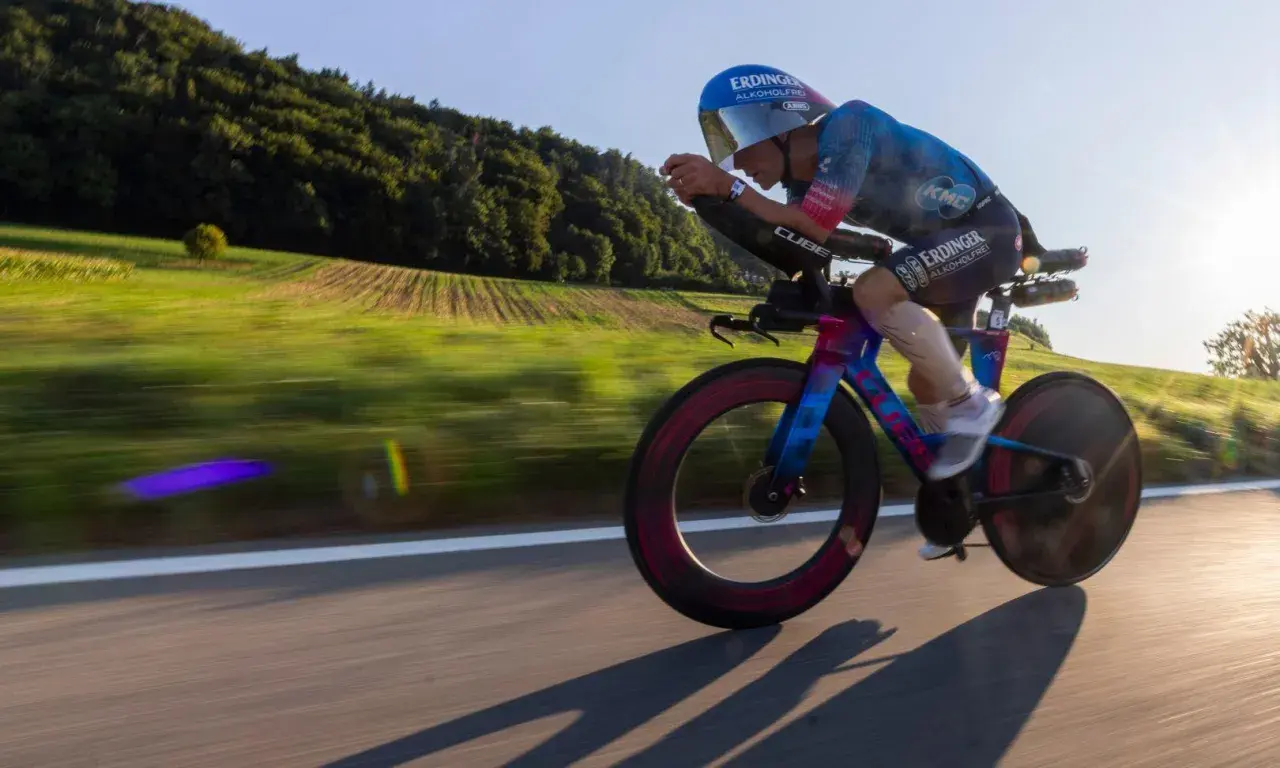
A first Ironman race is less about proving toughness than proving control. The distance is huge, but the athletes who handle it best are usually the ones who manage the swim, pace the bike with discipline, and arrive at the marathon with enough fuel to keep moving. This guide breaks down what the event really asks of you, how the day unfolds, where beginners lose time, and what actually matters in training and gear.
Key things to know before you commit to the distance
- The full-distance format is a 2.4-mile swim, 112-mile bike, and 26.2-mile run, completed in that order.
- The biggest mistakes happen before the marathon begins, usually through aggressive swimming, sloppy pacing, or underfueling.
- Most age-group athletes finish better when they train the swim for efficiency, not just yardage.
- A realistic debut usually needs 16 to 24 weeks of focused preparation, plus consistent fueling practice.
- Cutoff times and course rules vary by race, so the athlete guide matters more than generic advice.
What the full-distance format really asks of you
In 2026, the standard long-course triathlon still means 3.8 km in the water, 180 km on the bike, and 42.2 km on the run. According to IRONMAN, the 70.3 format is exactly half that load on each discipline, which is why the jump from 70.3 to full distance feels so dramatic in practice: you are not just adding miles, you are extending the time you must stay composed.
| Format | Swim | Bike | Run | Total distance | What it means in practice |
|---|---|---|---|---|---|
| Full-distance triathlon | 2.4 mi / 3.8 km | 112 mi / 180 km | 26.2 mi / 42.2 km | 140.6 mi / 226 km | Demands long pacing, reliable fueling, and a calm mental plan |
| 70.3 | 1.2 mi / 1.9 km | 56 mi / 90 km | 13.1 mi / 21.1 km | 70.3 mi / 113 km | Useful stepping stone if you want more intensity with less total fatigue |
That table matters because the real question is not “Can I cover the distance?” It is “Can I keep form, fueling, and judgment intact when fatigue starts to blur all three?” Once that is clear, race-day timing becomes the next thing to understand.
How the day is usually judged by cutoffs and transitions
Most full-distance races use a rolling start, so your individual clock begins when you cross the timing mat, not when the gun goes off. Many U.S. events still use a 2 hour 20 minute swim cutoff and a 17-hour overall limit, with intermediate bike and run cutoffs depending on the venue. I treat those checkpoints as guardrails: the goal is not to flirt with them, but to stay comfortably inside them.
- The swim start sets the tone. If you spike your heart rate immediately, you pay for it later.
- Transition 1 should be calm, not frantic. A few extra seconds to settle your breathing is usually worth more than a rushed exit.
- The bike is where most of the day is actually managed. This is the longest place to recover from mistakes, but also the easiest place to make them.
- Transition 2 and the run reveal whether your fueling and pacing were honest. If they were, the marathon can still be run; if they were not, the run becomes a cleanup job.
That structure is unforgiving in one simple way: a bad first hour usually costs more than a smart final hour can recover. The swim is where that pattern often starts, which is why I focus on economy there first.

How to handle the swim without burning matches early
The swim is not where you win the day, but it is where many people spend too much energy too early. In open water, the winning move is usually restraint: controlled breathing, clean sighting, and a stroke that stays long under pressure. Sighting means lifting your eyes just enough to hold the line without turning the stroke into a mini-sprint.
- Start wide if the field is crowded. You will lose less energy than fighting for space in the middle.
- Exhale fully under water. A calm exhale keeps the breath cycle from getting choppy once the pace spikes.
- Practice continuous swims of 2,000 to 4,000 meters so race pace feels ordinary, not novel.
- Do a few open-water rehearsals if you can. Pool fitness does not always translate to panic control.
- Use drafting thoughtfully. Following feet can save energy if you can do it without turning the start into chaos.
I also like athletes to rehearse one or two short race-pace pickups inside longer sets, because it teaches them to recover without falling apart. If the swim can be completed smoothly, the bike starts with a lower heart rate and a better head, and that advantage compounds for hours. From there, the bike becomes a pacing and fueling problem rather than a survival problem.
How to pace the bike and run so the marathon is still there
The bike is where the race is usually won or quietly lost. My rule is simple: ride the first third easier than you think you should, then settle into a pace you can repeat for hours without drifting in and out of effort. A steady aero position is useful only if you can hold it without overloading your back, shoulders, or neck. Aero position is the low, streamlined posture on the bike; if it breaks your body alignment, it is too aggressive for race day.
IRONMAN's own guidance points athletes toward roughly 60 to 90 grams of carbohydrate per hour on the bike, with less intake on the run. For many athletes, that means a bottle or two of concentrated carbs, a few gels, and a hydration plan that matches the day’s heat and sweat rate. The best plan is the one you can rehearse in training, because the gut adapts more slowly than the legs.- Keep the first 60 to 90 minutes controlled, even if you feel fresh.
- Fuel early and on a schedule, not only when you feel hungry.
- On the bike, aim for a carbohydrate intake you have already tested in long rides and bricks.
- On the run, accept that intake usually drops. A lighter but steady plan works better than forcing bike-level fueling.
- Use the first 10 km of the marathon to protect your finish, not to chase a split.
That is also why brick sessions matter. A brick is simply a bike-to-run workout done back to back, and it teaches your legs how to switch patterns without drama. Once that rhythm is in place, the remaining question is what gear and logistics deserve real money.
Gear and fueling that are worth your money
For a race this long, I would spend first on fit, comfort, and failure prevention, not on marginal aerodynamics. A wetsuit that fits properly, goggles that stay clear, shoes that do not destroy your feet, and a repair kit you know how to use will beat a flashy setup you have never tested. In the water, fit matters more than tech; a wetsuit that pinches your shoulders can cost more energy than it saves.
| Priority | Buy or test first | Why it matters | Common mistake |
|---|---|---|---|
| Swim | Wetsuit if legal, goggles, anti-chafe balm | Saves energy and reduces distractions from the first hour | Choosing a suit that feels fast on land but restrictive in the water |
| Bike | Helmet, hydration system, flat kit, nutrition storage | Prevents avoidable stops and missed calories | Optimizing aero before fit and reliability |
| Run | Shoes, socks, race belt | Keeps feet intact after hours of impact | Racing in untested shoes or socks |
| Fuel | Carbs, fluids, sodium plan you have rehearsed | Maintains output when fatigue rises | Trying a new gel, mix, or bottle strategy on race day |
If the race allows a wetsuit, practice in it before race day. If the water is too warm or the event rules say otherwise, you should already know how your stroke feels without that buoyancy. The practical idea is simple: remove surprises wherever you can, because surprises are expensive over 140.6 miles. That becomes even more important when you are building your first season around the event.
What a realistic first season looks like
A realistic debut season usually starts with 16 to 24 weeks of focused training, but the exact block depends on your base. If you already swim, bike, and run regularly, the job is mostly to connect the three sports, raise durability, and make nutrition automatic. If you are newer to endurance work, the priority is consistency before volume, because a steady 10 to 12 hours a week done well is more useful than a chaotic 18.
- Two to three swims a week, with at least one session devoted to technique and open-water skills.
- Two bikes a week, one longer ride and one session with controlled tempo.
- Two to three runs a week, with one long run kept deliberately easy.
- One brick session every one or two weeks so transition pace stops feeling foreign.
- At least one weekly session where you practice race fueling exactly as you plan to do it on course.
- One full rest day or very light recovery day to keep the load sustainable.
The most common errors are boring but predictable: swimming hard too often, riding too hard because it feels efficient, running too much at tired pace, and assuming race-day nutrition will magically work itself out. If you avoid those traps and build around calm execution, the distance stops looking like a stunt and starts looking like a solvable project. That is the mindset I want for any athlete aiming at a full-distance triathlon for the first time.