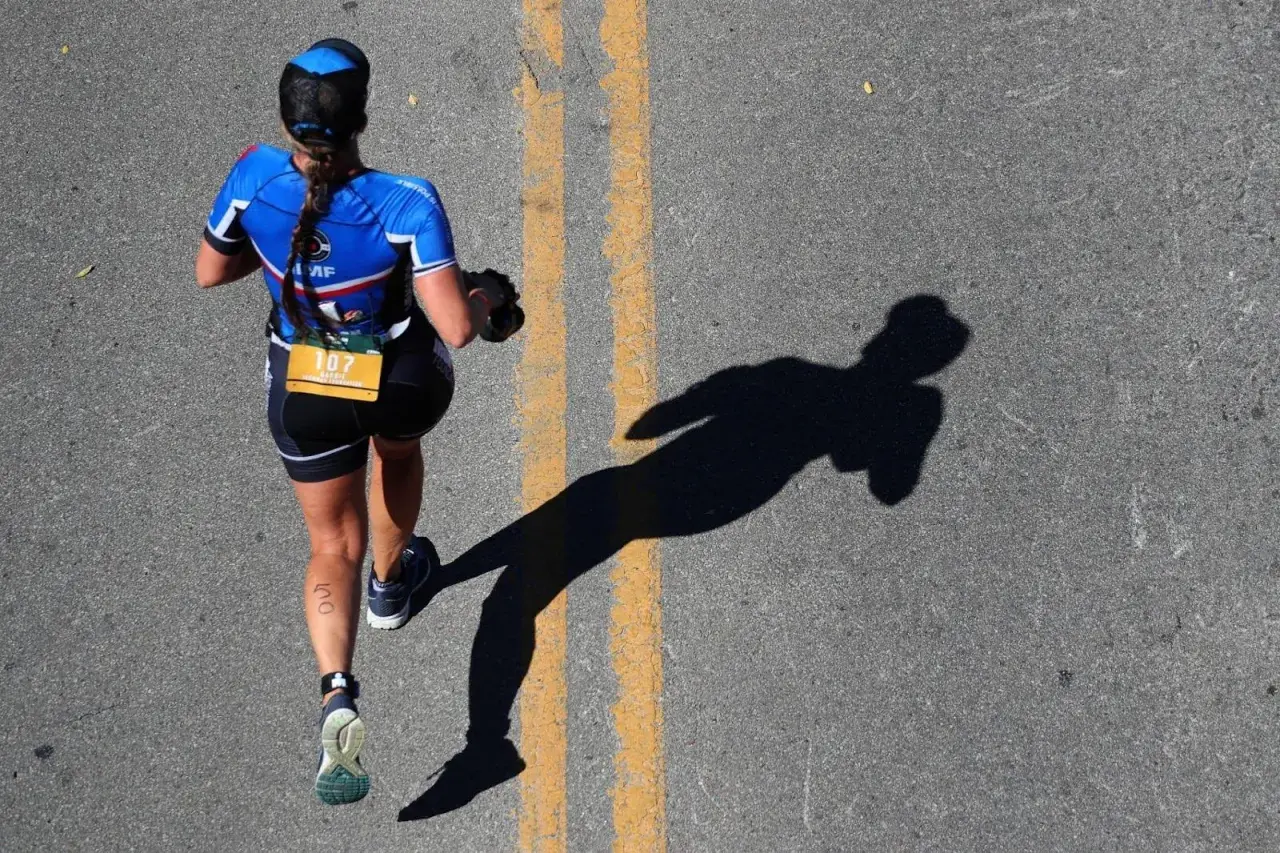
Triathlon clothing works only when it disappears in the middle of a hard effort. I focus on apparel that dries fast, stays comfortable in the water, and does not punish you with chafing on the bike or run. In this article, I break down what a trisuit should do, when a wetsuit or swimskin makes more sense, which accessories actually matter, and how much you should expect to spend in the U.S. market.
What to remember before you buy race-day kit
- A trisuit should handle swim, bike, and run without forcing a full outfit change.
- Fit matters more than brand, especially through the shoulders, neck, and leg grippers.
- Sleeved suits usually give a cleaner aero feel, while sleeveless suits can feel cooler and more forgiving.
- In U.S. age-group racing, wetsuit legality often comes down to water temperature, so check the event guide before race day.
- Budget for comfort first, then buy speed upgrades only after the basics fit well.
The best race kit is the one that saves time, heat, and friction
When I talk about triathlon apparel, I am really talking about three jobs at once: it has to help you swim without drag, bike without pressure points, and run without turning into a chafing problem. That is why a good trisuit looks simple but feels very intentional in the details.
The biggest mistake I see is treating race clothing like ordinary training gear. Triathlon kit is built to dry quickly, stay stable when wet, and reduce the number of decisions you have to make in transition. If the fabric stays heavy after the swim, the seams rub, or the fit shifts on the bike, the whole day gets harder than it needs to be.
- Swim: low drag, smooth seams, and a fit that does not balloon in open water.
- Bike: a thin enough chamois to protect you without feeling like a cycling diaper.
- Run: enough stretch and breathability that the suit moves with you instead of against you.
Once you see apparel as a performance system instead of a wardrobe choice, the buying decisions get much easier. The next step is choosing the right suit style for the distance you race most often.
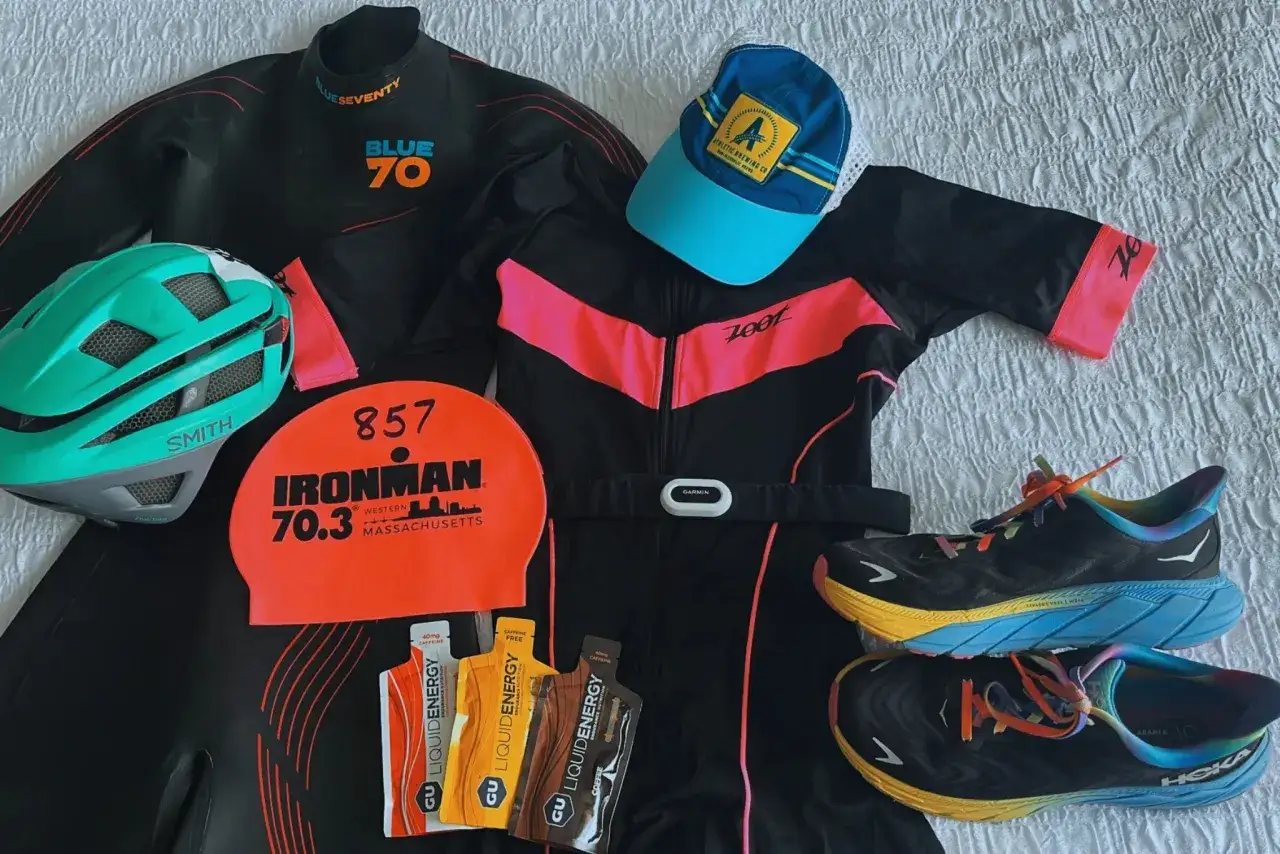
How to choose the right trisuit for your distance
I usually narrow the choice down to three questions: how long is the race, how much heat will you face, and how sensitive are you to fit around the shoulders and hips. For sprint and Olympic races, a lighter, more minimal suit often makes sense. For half and full distance events, I care more about comfort, pockets, and the kind of fit you can tolerate for hours.
| Option | Best for | Why it works | Tradeoff |
|---|---|---|---|
| Sleeved one-piece | Athletes who want a stable race fit and extra sun coverage | Usually feels more aero on the bike and can help reduce upper-body sun exposure | Can feel warm in hot, humid races if you overheat easily |
| Sleeveless one-piece | Racers who want more shoulder freedom and a cooler feel in the swim | Often feels less restrictive and is easier to live in if your shoulders are broad | Slightly less coverage and sometimes less protection from sun and rubbing |
| Two-piece kit | Athletes whose top and bottom sizes never match well | More flexible sizing, easier bathroom breaks, and easier replacement if one part wears out | Can shift a little more if the top is not fitted carefully |
For most first-time racers, I lean toward a one-piece unless sizing is awkward or bathroom convenience really matters to them. The reason is simple: a one-piece usually stays put better, which means less fuss in transition and fewer distractions once the race gets hard.
Pay close attention to the neck opening, leg grippers, and shoulder seams. If the suit pulls when you reach forward, that is not a sign to “break it in”; it is a sign that the size or cut is wrong. A race fit should feel snug, but it should never make you think about the clothing every time you breathe or rotate your arms.
Two practical details matter more than many buyers expect: a thin, run-friendly chamois and pockets that are useful, not decorative. If the pad is too thick, the run gets sloppy. If the pockets are too loose, they can bounce or flap. Good triathlon apparel is a compromise, but it should be a smart one.
Once the base suit is right, the next decision is whether you need a wetsuit, a swimskin, or neither.
When a wetsuit or swimskin makes more sense
In the U.S., wetsuit rules are one of the few apparel decisions that can change the whole race setup. According to USA Triathlon guidance, age-group athletes are generally allowed to wear wetsuits up to 5 millimeters thick in water up to 83°F, but the event guide still wins if the race has its own special rules.
I treat the wetsuit as a swim tool first and a warmth layer second. It can help with buoyancy, body position, and confidence in open water, especially for newer swimmers or choppy courses. That said, a wetsuit is not automatically the answer in every race. If the water is warm, the swim is short, or your shoulders already feel tight, too much neoprene can turn into a fight.
- Choose a wetsuit when the water is cold enough to justify insulation or when extra buoyancy helps your swim position.
- Choose a swimskin when the race is non-wetsuit legal and you still want a slick outer layer over your trisuit.
- Skip both when the course is warm enough that extra layers only add heat and hassle.
The simple rule is this: wear your trisuit under the wetsuit, not a second base layer. Bulky layers create friction, trap water, and make transitions slower. A swimskin should also fit close to the body; if it feels baggy, it will not do its job well.
Sleeved wetsuits often feel more secure and can offer better overall coverage, while sleeveless designs may suit athletes who need more shoulder freedom or run hot in the water. I would rather see an athlete choose the suit they can swim smoothly in for the full distance than chase a theoretical advantage they never actually feel. That leads straight into the small accessories that quietly save races.
The small accessories that save time and skin
A lot of triathletes overbuy clothing and underthink the little items that make the day cleaner. I always tell athletes to think about what they need in transition, what they need for chafing control, and what they need to stay visible and comfortable on the run.
- Race belt: the easiest way to handle your bib without pinning it into the suit.
- Goggles: keep one clear pair and one tinted pair if you race in mixed light conditions.
- Anti-chafe balm: useful on the neck, underarms, inner thighs, and anywhere the suit or wetsuit rubs.
- Socks: worth wearing if they prevent blisters, but only if you have practiced them in training.
- Sunglasses or visor: more important in hot U.S. races than many athletes expect.
- Arm coolers or light sleeves: only if you have tested them and know they do not annoy you on the run.
In practice, I want accessories to reduce friction, not create another checklist of tiny adjustments. If you cannot put it on quickly with wet hands, sweaty skin, or tired legs, it probably belongs in training, not on race day.
That is also where many athletes miss the real value of apparel: the best clothing is not the flashiest, it is the stuff that lets you move faster with fewer decisions. From there, it makes sense to talk about what those choices should cost.
What to spend and what to skip
Current retail examples in the U.S. market show a wide spread. I have seen entry-level race suits priced around the $190 to $275 mark, while premium one-piece trisuits sit closer to $395 to $425. Wetsuits are even broader, with solid models around $425 and top-end options moving well past $1,000. Swimskins usually land roughly in the $325 to $445 range.
| Item | Typical price range | What you are paying for | My take |
|---|---|---|---|
| Entry-level trisuit | $190-$275 | Basic race comfort, quick drying fabric, and enough structure for short to middle distances | Enough for many first races if the fit is right |
| Premium trisuit | $395-$425+ | Aero sleeves, better paneling, more refined fabrics, and a cleaner race feel | Worth it only after comfort and fit are already solved |
| Wetsuit | $425-$1,345 | Buoyancy, thermal control, flexibility, and a more efficient body position in the water | Fit matters more than hype; the wrong size is expensive drag |
| Swimskin | $325-$445 | A slick outer layer for non-wetsuit swims | Useful, but not essential for every athlete |
If I had to simplify the budget advice, I would say this: buy fit first, then buy function, then buy speed. A midrange suit that disappears on your body is better than a premium suit that pinches your shoulders or rides up on the run. The same logic applies to wetsuits, where a perfect fit is worth more than extra marketing language.
Once the budget is set, the final step is making sure the gear actually behaves the way you expect on race week.
A race-week checklist that keeps your kit from becoming a problem
The week before the start, I want every athlete to eliminate surprises. That means testing the suit in a sweaty brick workout, checking that the zipper and grippers behave when wet, and making sure nothing new is getting its first outing on race morning.
- Do at least one swim-bike or bike-run session in the exact kit you plan to race in.
- Check that the chamois feels fine on the bike and does not feel bulky when you run.
- Pack two goggle options in case one pair fogs or leaks.
- Lay out your race belt, socks, sunglasses, and nutrition the night before.
- Test anti-chafe products in training, not for the first time on the start line.
- If you use a wetsuit, rinse it with fresh water after training and let it dry away from direct heat.
IRONMAN’s basic wetsuit care guidance is still the one I would follow: rinse the suit after use, dry it properly, and avoid petroleum-based products on the neoprene. Small habits like that keep expensive gear in raceable condition much longer.
The broader lesson is simple. The best triathlon kit is not the most technical one on the hanger; it is the set of clothing and gear that lets you swim, bike, and run without thinking about it. If you buy for fit, test everything in training, and keep the race-day setup simple, you will feel the difference where it matters most: in transition, on the bike, and in the final miles of the run.