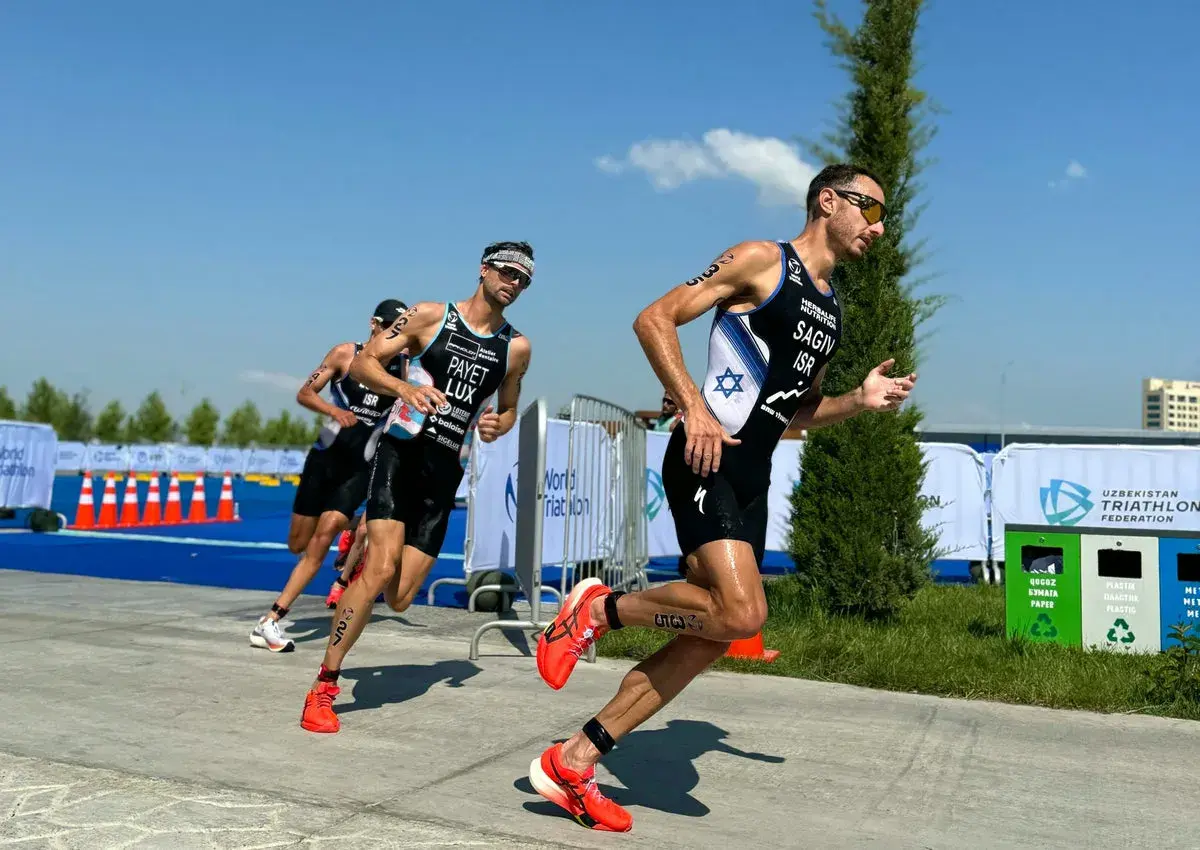
The training habits that make the biggest difference
- Match training to the race distance instead of copying a generic plan.
- Protect swim technique, because a cleaner front end saves energy for the bike and run.
- Use brick sessions sparingly but consistently to learn how your legs feel off the bike.
- Fuel early and recover properly, especially for longer races and back-to-back sessions.
- Train for UK conditions with indoor options, open-water practice, and weather-aware kit choices.
- Avoid constant intensity; most age-group athletes improve faster when easy days stay easy.
Start by deciding what the race actually demands
The first mistake I see is training for “triathlon” as if every race asked for the same fitness. It does not. A sprint race rewards speed and efficiency, while a middle-distance or long-course event punishes poor pacing and weak fueling. If you know the distance, you can train with purpose instead of just accumulating fatigue.
| Common race format | What it asks of you | What to emphasise in training |
|---|---|---|
| Sprint | Fast transitions, sharper pacing, good swim confidence | Technique, short intervals, race-pace work, transition practice |
| Standard | Balanced endurance across all three legs | Aerobic base, tempo efforts, brick sessions, controlled pacing |
| Middle distance | Longer sustained effort and disciplined nutrition | Long rides, steady runs, race fuelling, durability |
| Long distance | Patience, resilience, and excellent recovery | Progressive volume, strength work, pacing discipline, recovery habits |
For a first race, I would rather see a well-organised plan for the right distance than an ambitious plan for the wrong one. Once that is clear, the weekly structure becomes much easier to build. The next step is deciding how to distribute your effort across the week.
Build a weekly rhythm you can repeat
Triathlon training works best when it feels repeatable. You want enough structure to improve, but not so much rigidity that one missed session breaks the whole week. My default approach is to anchor the week around one quality swim, one quality bike session, one quality run session, and one longer endurance session, then fill the gaps with easy movement, mobility, or strength work.| Session type | Purpose | What it should feel like |
|---|---|---|
| Technique swim | Improve body position, breathing, and stroke efficiency | Controlled, precise, technically focused |
| Bike quality | Build aerobic power and leg strength | Steady with a clear hard section, not a full smash-fest |
| Run quality | Raise threshold and running economy | Fast enough to challenge form, not so hard that it collapses |
| Long session | Develop endurance and pacing awareness | Comfortably hard at times, but mostly controlled |
| Brick session | Teach the legs to run after cycling | Uncomfortable in a useful way, but short enough to stay clean |
If you only have limited time, protect the swim technique work and the long bike. A lot of athletes do the reverse and then wonder why race day feels messy. I also keep at least one true easy day in the week; endurance adapts during recovery, not during the session itself. That becomes even more important once the swim starts to take more of a technical role.

Make the swim the cleanest part of the day
The swim is where many triathletes lose confidence before the race has properly begun. That is rarely because they “can’t swim”; it is usually because their technique, pacing, or open-water habits are underdeveloped. If you want the fastest payoff from swim training, focus on body position, relaxed breathing, and staying long through the water rather than muscling every stroke.
In the pool, I would prioritise four things: catch the water earlier, keep the head low, breathe without lifting, and hold pace without spiking effort. Short drills help, but only if they connect back to a full stroke. A drill that looks tidy but falls apart in normal swimming is not doing much for race day.
- Body position keeps the hips higher and reduces drag.
- Sighting means briefly lifting the eyes to stay on course without wrecking rhythm.
- Drafting lets you sit in another swimmer’s wake and save energy.
- Open-water starts prepare you for noise, contact, and an elevated heart rate.
British Triathlon treats open-water safety as a separate skill, and I think that is the right mindset. In UK conditions, cold water, choppy surfaces, and poor visibility can undo otherwise solid swimmers. If you are practising outside, get used to a wetsuit, learn how it changes your stroke, and rehearse exits, starts, and turning around buoys. A calmer swim usually gives you a better bike, and that is where the next chunk of race time is won or lost.
Train the bike and run without carrying fatigue everywhere
The bike is the discipline where triathletes often overcook themselves. It feels lower impact, so people push harder than they should, then the run becomes a survival exercise. My rule is simple: bike hard enough to build fitness, but not so hard that you cannot run with decent mechanics afterwards.
Brick sessions are useful here, but they are not magic. A brick session is just a bike followed by a run, and its value is neurological as much as physical: you teach your legs to change patterns without panicking. For most athletes, one brick every one to two weeks is enough. You do not need to turn every ride into a brick, because that usually produces tired legs rather than better adaptation.
- On the bike, include cadence work and sustained tempo rather than only all-out efforts.
- On the run, keep some sessions truly easy so your stride stays fresh.
- Use hills carefully to build strength, but avoid stacking too many hard hill days.
- Add strength work for glutes, hamstrings, calves, trunk stability, and shoulder control.
Fuel and recover like the event already matters
Nutrition is not a garnish in triathlon. It is part of the training effect. If you underfuel long sessions, you often end up training tired, recovering poorly, and missing the quality that actually drives progress. British Triathlon’s nutrition advice is straightforward: fuel early and regularly rather than waiting until you feel empty.
For everyday training, I aim for a meal pattern that supports energy across the day, then I adjust intake around harder sessions. After key workouts, I want a recovery meal or snack with carbohydrate plus a meaningful protein source. For long rides and race rehearsals, I practise exactly what I plan to use on race day, because the gut needs training too.
- Before training, avoid starting hard sessions underfed.
- During long sessions, practise the drinks, gels, or bars you will use in competition.
- After training, replace fluids and eat a proper recovery meal soon enough to matter.
- In the heat or indoors, drink more than you think you need and do not trust thirst alone.
Recovery matters just as much. Sleep is still the cheapest performance tool available, and it has a bigger effect than most athletes want to admit. If you are doing everything right in training but sleeping badly, progress will feel blunt. That is especially true in the UK, where athletes often move sessions indoors through winter and underestimate how much sweat they are losing on the turbo or treadmill.
Choose kit and support that fit UK conditions
Good kit does not make a weak plan work, but bad kit can absolutely ruin a decent one. For UK athletes, I would start with the basics: a well-fitting wetsuit, two pairs of goggles, a helmet that sits correctly, shoes you can run in comfortably, and either a turbo trainer or indoor bike setup for winter consistency. The best gear is the kit you can use repeatedly without thinking about it.
Bike fit deserves more attention than it gets. If your position is too aggressive, you may ride with more power for a while, but your run will pay for it later. Likewise, if your wetsuit is restrictive through the shoulders, your swim stroke becomes short and expensive. I would rather see a sensible fit than an expensive upgrade.
- Wetsuit: choose flexibility and comfort first, then warmth.
- Goggles: one clear lens for darker conditions and one tinted option for bright water.
- Indoor training setup: useful for winter, bad weather, and controlled intervals.
- Transition kit: keep it simple, fast to use, and fully tested before race day.
If you are unsure about the swim side of your preparation, a coached session or a club environment can shorten the learning curve dramatically. The right support matters most when open water, transitions, and pacing still feel unfamiliar. From there, the main danger is not lack of effort; it is the quiet accumulation of avoidable mistakes.
Avoid the errors that quietly wreck progress
The athletes who improve steadily are usually not the ones doing the most dramatic sessions. They are the ones who avoid the obvious traps. In practice, that means fewer all-out days, more honest pacing, and better attention to the small things that keep training sustainable.
- Training too hard too often leaves you flat for the sessions that matter.
- Neglecting swim technique makes the first race leg expensive and stressful.
- Skipping brick work entirely makes the bike-to-run change feel harsher than it needs to.
- Ignoring recovery turns a good plan into a tired one.
- Practising new fuel on race day is a bad habit that usually shows up later.
- Buying gear before solving basics is an expensive way to avoid real training.
Keep the final fortnight simple and controlled
The last two weeks before race day are not the time to become fitter. They are the time to arrive fresh, sharp, and familiar with your race routine. I taper by reducing overall volume, keeping a few short efforts at race pace, and avoiding any new stress that I have not already tested. This is the point where confidence should rise and noise should drop.
- Reduce volume but keep a little intensity so the body stays responsive.
- Check kit early so there is time to replace anything that fails.
- Practise transitions once or twice so the sequence feels automatic.
- Keep one last open-water session if conditions allow, mainly to settle nerves.
- Stick to familiar food and avoid experimenting with new supplements or meal timing.
If I had to reduce triathlon preparation to one principle, it would be this: build enough fitness to respect the distance, then protect that fitness with good technique, sensible pacing, and repeatable habits. That combination beats flashy sessions more often than athletes expect, and it is usually what gets you to the finish line feeling in control rather than merely surviving it.
