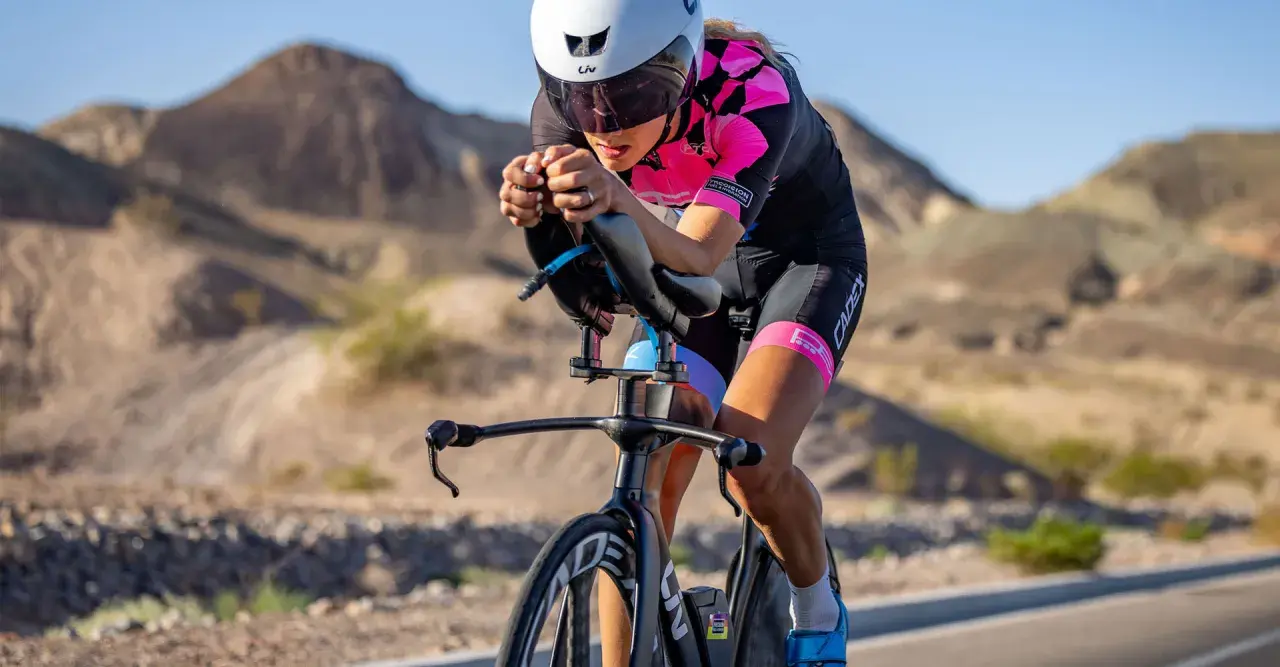
Women's triathlon is less about a different finish line and more about removing the friction that keeps strong swimmers, cyclists, and runners from actually starting. The useful questions are usually practical: which distance makes sense, what kit is worth buying, how much training is enough, and which event format will feel supportive rather than chaotic. In the UK, those choices matter because race options vary a lot, from women-only starts to mixed fields, sprint debuts, and longer age-group events.
The main things to know before you choose a race
- A sprint-distance race is the safest first target for many newcomers because it builds confidence without demanding a huge training load.
- British Triathlon’s event search includes filters such as Women Only, Draft Legal, and Suitable for Para-tri, which makes it easier to narrow the field.
- For a first season, a realistic training pattern for many athletes is two swims, two bikes, two runs, and one short brick session each week.
- A well-fitting trisuit, reliable goggles, a safe helmet, and maybe a wetsuit usually matter more than expensive performance upgrades.
- The barriers women mention most are confidence, open-water nerves, time pressure, and not having a race environment that feels welcoming enough.
What changes in women’s triathlon
The sport itself is still swim, bike, run. What changes is the context around it. For many women, the biggest difference is not a dramatic physiological one; it is how the race, coaching, kit, and community either lower or raise the barrier to entry. British Triathlon says women make up 31% of its membership, with event participation sitting at roughly a 41/59 female/male split, which tells me the pathway is improving but still has room to become easier to enter.
I would not read that gap as a lack of interest. My reading is simpler: triathlon asks for time, confidence, and the willingness to be a beginner in three sports at once, and those are exactly the friction points good event design can soften.
- Fueling matters because under-eating shows up quickly as poor recovery, flat workouts, and a training plan that feels harder than it should.
- Cycle-aware planning helps if periods affect energy, comfort, or confidence in open water.
- Life stage changes matter too, especially when pregnancy, postpartum return, or perimenopause are part of the picture and the plan needs adjusting rather than forcing.
- Kit fit matters more than brands when the difference between a good day and a miserable one is simple comfort.
Once those realities are on the table, choosing the right race distance becomes much easier, because the first start should match your life as much as your fitness.

How to choose the right first race
The best debut race is the one that lets you finish with energy left, not the one that sounds most impressive on paper. In practice, that usually means a shorter distance, a course you can understand before race morning, and a format that does not overload you with rules you have never seen before.
| Race type | Swim | Bike | Run | Best fit |
|---|---|---|---|---|
| Super sprint | 400m | 10km | 2.5km | Absolute beginners, nervous first-timers, or anyone testing race day for the first time |
| Sprint | 750m | 20km | 5km | Most first-time triathletes, especially if pool swimming and steady cycling already feel familiar |
| Standard | 1500m | 40km | 10km | Athletes with a solid base and enough weekly time to absorb the extra load |
| Middle distance | 2.5km | 80km | 20km | Experienced racers who already know how their body handles longer bike-to-run efforts |
If I am helping someone choose their first event, I almost always steer them toward sprint distance unless they already have a strong swim background and enough training time for a longer build. Open water is the other big variable: a 750m lake swim can feel harder than 1500m in a pool because of sighting, cold water, and the extra noise of race-day crowds.
It also helps to check whether the race is women-only, mixed, or draft legal. Draft legal means you can ride in the slipstream of other riders, which changes tactics and makes bike handling more important. In 2026, British Triathlon’s event search still makes life easier here because it includes Women Only, Draft Legal, and Suitable for Para-tri filters, which is a practical way to narrow down an overwhelming calendar.
If confidence is the main barrier, a women-only race can be a very sensible bridge to a mixed field later. The point is not to hide from competition; it is to choose an entry point that lets you learn the sport without feeling rushed.
Once the race format is clear, the training can become much more specific and a lot less intimidating.
Training that actually moves the needle
I usually build a first-triathlon block around consistency, not hero sessions. For a sprint race, 8 to 12 weeks is a realistic runway for many beginners; for standard distance, 12 to 16 weeks gives you more room to absorb the bike and run load without rushing the process. A realistic weekly load for a first sprint is often 4 to 6 hours, depending on how much base fitness you already have.
- Swim twice a week, with one session focused on technique and one session focused on continuous swimming or simple intervals.
- Bike once for steady endurance and once for cadence or tempo work, where cadence means pedalling rhythm and tempo means comfortably hard effort.
- Run twice, with at least one easy run off the bike so your legs learn the change in movement.
- Strength train twice for 20 to 30 minutes, especially if hips, calves, glutes, or upper back tend to fatigue early.
The biggest beginner mistake I see is overvaluing running because it feels familiar and productive. In triathlon, that usually backfires. Running is the most impact-heavy discipline, so it is often the one that suffers first when the body is underprepared or underfueled.
Swimming is another place where smart practice pays off fast. A short technique block can improve breathing, body position, and comfort in the water more than just piling on metres. If your race uses open water, I would also practise sighting, controlled starts, and calm breathing before race day. A brick session, which simply means a bike ride followed immediately by a run, is worth its weight in gold because it teaches your body that wobbly first kilometre after the bike is normal.
If periods, pregnancy, postpartum return, or perimenopause affect your training week, the answer is not to ignore that context. It is to adapt the plan around it, because sustainable progress almost always beats the sort of short-lived consistency that burns people out.
When the sessions are in place, equipment becomes the next easy place to save time and avoid discomfort.
Gear that is worth buying first
You do not need an expensive setup to race well. I would rather see a woman with a well-fitting wetsuit, reliable goggles, and a safe helmet than someone chasing marginal gains on a bike that never got fitted properly. Comfort, control, and reduced friction are the real returns in the first season.
| Item | What to prioritise | Typical UK spend |
|---|---|---|
| Goggles | Comfortable seal, anti-fog lens, and a spare pair for race day | £15 to £35 |
| Tri suit | Quick-drying fabric, enough support, and no chafing on the run | £40 to £180 |
| Wetsuit | Flexible shoulders, snug hips, and easy removal in transition | £150 to £400 |
| Helmet | Certified fit, secure buckle, and enough comfort to keep you calm on the bike | £40 to £120 |
| Bike shoes and pedals | Only worth it if they improve control and your confidence on the bike | £70 to £200 |
| Race belt and small accessories | Simple, practical items that make transitions less fussy | £10 to £50 |
| High-support sports bra | Support that works while running, not just when standing still | £30 to £80 |
If you already own a road bike, a sensible starter setup often lands somewhere around £250 to £700 once you add the basics. If you still need to buy a bike, the total rises quickly, so I would usually prioritise a decent second-hand bike and a proper fit before spending money on flashy upgrades.
A good sports bra is one of the most underrated pieces of race kit for women. It can improve comfort far more than marginal aero gains, and it is one of those purchases where fit matters more than marketing. The same is true of trisuits: if the suit works in the swim, dries quickly on the bike, and does not rub on the run, it has done its job.
Even with the right gear, though, the bigger question is whether the environment makes someone want to come back for another race.
The support network that keeps women racing
This is where the sport either grows or leaks people. The most useful conversations in women’s triathlon are rarely about whether women can handle the distance. They are about how to make the first start, the second start, and the training week around it feel manageable. British Triathlon’s own numbers show there is still a gap to close, and my reading is that the gap has as much to do with access, confidence, and life logistics as it does with raw ability.
That is why race communities matter. A good club session, a women-focused training group, or a coach who understands both performance and real-life constraints can change the whole experience. If you are nervous about open water, start with a coached session before entering a lake race. If you are worried about pace, find one person who will treat a slow first season as normal rather than embarrassing. That kind of support is not soft; it is what keeps athletes in the sport long enough to improve.
- Confidence usually improves fastest when the event feels small enough to understand and the course looks well organised.
- Time pressure is easier to handle when you stop aiming for perfect training weeks and instead protect two or three key sessions.
- Open-water nerves drop when you practise sighting, breathing, and cold-water starts in a controlled setting.
- Logistics become manageable when you pack the night before, read the race briefing, and know exactly where transition, toilets, and exits are.
- Supportive entry points matter, which is why a women-only race can be a smart first step rather than a special case.
When the environment feels welcoming, the sport stops asking for a leap of faith and starts feeling like a sequence of manageable decisions.
What I would do before my first start this season
If I were starting now, I would keep the plan brutally simple: pick a sprint or super sprint, spend eight to twelve weeks building around two swims, two bikes, two runs, and one brick, and choose a race that matches confidence rather than ego. I would also spend money only on fit and safety first: a good helmet, goggles, a tri suit or swimwear that does not dig in, and, if needed, a wetsuit I can actually move in.
- Practise one open-water session before race day if the event is not pool-based.
- Run through transitions at least twice a week in the last month, even if only for a few minutes.
- Arrive early enough to read the course map and see where the bike exit and run exit actually are.
- Use the women-only filter if that lowers the psychological barrier enough to get you on the start line.
The goal is not to prove you can suffer the most. The goal is to make the first race feel so workable that the next one seems obvious, because that is how most women stay in triathlon: not through one perfect day, but through a sequence of starts that feel increasingly like their own.
