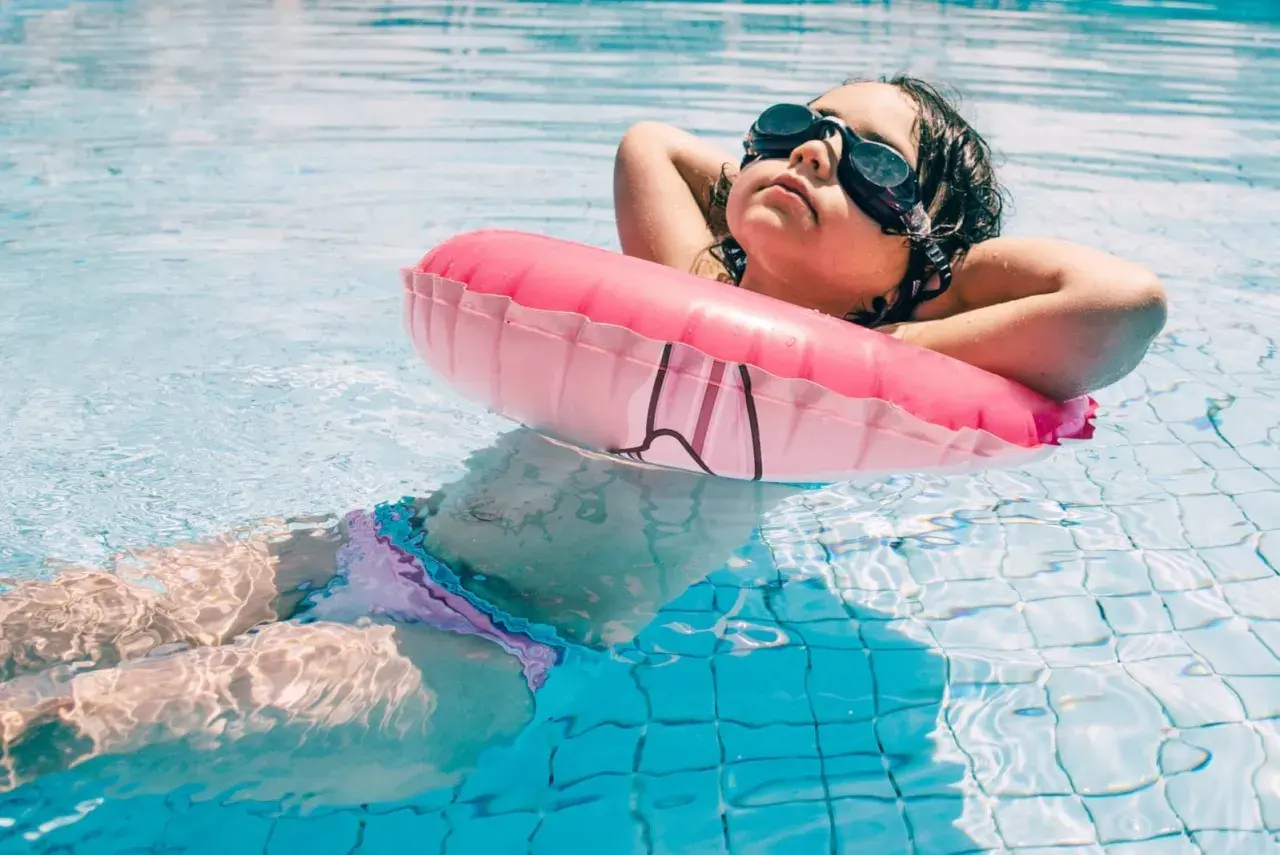
At around one year old, swimming is less about formal stroke work and more about building trust, comfort, and safe habits in the water. The best classes for this age use play, repetition, and a parent or carer in the pool so the child can explore without feeling overwhelmed. In practice, the right choice comes down to the instructor, the pool setup, and the pace of the class.
What matters most before booking a class for a one-year-old
- Parent-and-child lessons are usually the right fit at this age, not independent lanes.
- Warm water, small groups, and short sessions matter more than fancy promises.
- Confidence comes first; pushing for submersion or “real swimming” too early usually backfires.
- The instructor’s baby-and-toddler training is a bigger deal than the brand name on the brochure.
- A good class should feel calm and repetitive, with songs, simple holds, and steady progress.
What a one-year-old really gets from lessons
At this age, I would not judge a class by whether the child is “swimming” on their own. A one-year-old is usually learning how the water feels, how to trust a supportive hold, how to kick, how to blow bubbles, and how to recover quickly if water splashes the face. That sounds modest, but it is the foundation for everything that comes later.
The biggest win is not distance or technique. It is comfort without fear. If a child can enter the pool calmly, accept being held, and leave the session less tense than when they arrived, that class is doing useful work.
In UK programmes, one-year-olds are often on the boundary between baby and toddler groups, so the right class is usually a parent-in-water session with simple songs, repeated routines, and lots of guided movement. The NHS says you do not need to wait for vaccinations before taking a baby swimming, which removes one common barrier for families who are ready to start early. Once you know the age question is settled, the next issue is what a good lesson actually looks like.

How a good parent-and-child class should feel
A strong class for this age should feel organised, warm, and predictable rather than busy or showy. I usually expect sessions to last about 30 minutes, because that is long enough to build a routine without tipping a tired toddler into overload.
The structure matters more than most parents realise. A good lesson usually follows the same rhythm each week:
- Greeting and settling in at the pool edge.
- Simple holds and supported movement through the water.
- Songs, bubbles, splashing, and short repetition-based games.
- Gentle transitions between front, back, and upright positions.
- A calm ending, not a rushed scramble out of the pool.
At one year old, repetition is useful because it creates recognition. The child starts to anticipate what comes next, and that predictability lowers stress. I also prefer classes where the teacher explains the purpose of each activity instead of just filling the time with distractions. That difference usually separates a thoughtful instructor from a generic one.
Once the session design looks right, the next question is who is actually teaching it and how much specialist knowledge they have for this age group.
How to choose the right instructor
For this age, I would rather have a calm, well-trained baby-and-toddler teacher than a highly technical coach who is more comfortable with older children. The instructor should know how to handle a nervous toddler, how to pace transitions, and how to keep the parent confident too. Swim England's pre-school framework is built around confidence first, and that is the right mindset for this stage.
When I am checking a teacher, I look for a few practical signs:
- Age-specific training for babies and toddlers, not just general swimming experience.
- Clear poolside supervision and rescue cover if the teacher is in the water.
- Small enough groups that the teacher can see every child and every parent.
- Calm handling without forcing submersion, head dipping, or performance cues.
- Plain explanations of what each activity is teaching and why it matters.
- Respect for readiness, because not every child is ready for the same thing at the same age.
I would be cautious if the instructor talks too much about speed, independence, or “survival” skills for a child who is barely walking. That age group needs water confidence and controlled exposure first. A strong teacher knows that pressure usually slows progress, even when it is packaged as enthusiasm.
Once you know what good instruction looks like, the final practical comparison is how different UK class formats stack up on price, length, and convenience.
How UK programmes differ on price, length, and setup
In the UK, the broad choices are usually local leisure-centre classes, specialist baby-swim schools, and private lessons. Some council and leisure-centre programmes advertise prices from about £3 per class, while specialist infant programmes are usually higher and sold in blocks. Private lessons cost the most, but they make sense if your child needs extra reassurance, has sensory sensitivities, or simply melts down in larger groups.
| Class type | Best for | Typical setup | Trade-off |
|---|---|---|---|
| Local leisure-centre group | Families who want a lower-cost start and easy access | Often 30-45 minutes, mixed family routines, larger groups | Can feel busier and less tailored to babies |
| Specialist baby-swim school | Parents who want a warmer, baby-first environment | Usually around 30 minutes, parent in water, songs and repetition | Usually costs more and may be sold in course blocks |
| Private lesson | Children who need extra support or a very slow pace | 1:1 time with the instructor, highly flexible pacing | Highest cost and less social interaction |
My rule is simple: if budget is the main pressure, a well-run leisure-centre class is a sensible start; if the child is sensitive, shy, or easily overwhelmed, the specialist route is often worth the extra cost. I also like to see a warm pool and a session that does not feel overcrowded. At this age, comfort drives progress more than almost anything else.
After you have chosen the format, the last piece is making the first few sessions smoother for both of you.
What to bring and how to make the first class easier
For a one-year-old, small logistical mistakes can make a perfectly good class feel miserable. I would keep the kit simple and follow the pool’s own rules rather than guessing.
- Swim nappy and a spare, plus any extra layer the pool requires.
- Two towels if your child gets cold quickly: one for the poolside, one for the changing room.
- Easy clothes for after the lesson, especially if changing in a tight space.
- A sensible class time that does not clash with nap time or a missed feed.
- A plan to arrive early, because rushed changing is stressful before the lesson even starts.
There is one useful misconception to clear up. If vaccinations are the only thing holding you back, the NHS says you do not need to wait. What matters more is that your child is well on the day, the pool is clean and appropriately heated, and the class follows sensible hygiene and safety rules.
I also recommend watching your own expectations. If you go in hoping for impressive skills straight away, you are likely to misread normal early-stage behaviour as “lack of progress.” That mindset helps nobody. The better goal is a child who settles more quickly each week and starts to associate water with routine rather than surprise.
Once the class is underway, progress becomes easier to spot if you know what to look for and when it makes sense to move up.When progress is real and when to move on
At one year old, progress is usually visible in small things. The child accepts the water more readily, kicks with better rhythm, tolerates being turned from front to back, and recovers faster after a splash or change in hold. That is real learning. It is just not the kind of learning that looks dramatic on social media.
I usually tell parents to give a class three to four sessions before deciding whether it feels right, unless the environment is clearly wrong from the start. Children need time to recognise the routine, but you do not need to stay loyal to a class that feels chaotic, rushed, or too advanced.
Signs that the class is a good fit:
- Your child settles a little faster each week.
- The teacher can explain the next step without pressure.
- The parent role feels clear and useful, not awkward.
- The class leaves your child tired in a normal way, not distressed in a lasting way.
Signs that it may be time to change:
- The teacher pushes submersion or advanced holds too early.
- The group is too large for the age band.
- The pool feels cold or noisy enough to override the lesson.
- The class talks more about results than about comfort and control.
When a one-year-old is ready to move on, it is usually because they are calmer in the water, not because they can already “swim” in the adult sense. That distinction matters, because it keeps the next step realistic.
Choose the lesson that builds trust before technique
If I had to reduce the whole decision to one principle, it would be this: choose the class that builds trust first. For a one-year-old, that means a parent-in-water session, a teacher with age-specific training, a warm pool, short lessons, and a pace that respects the child’s mood on the day.
The best classes are rarely the flashiest. They are the ones that make a child more relaxed, more familiar with the water, and more willing to try simple movements again next week. That is the real value of early lessons, and it is enough on its own.
If you want to make the right choice quickly, focus on three things: the instructor’s baby-and-toddler experience, the class size, and whether the environment feels calm rather than performative. If those are strong, the rest usually falls into place. The lesson may start as a weekly splash, but it should feel like the beginning of a long, steady relationship with the water.