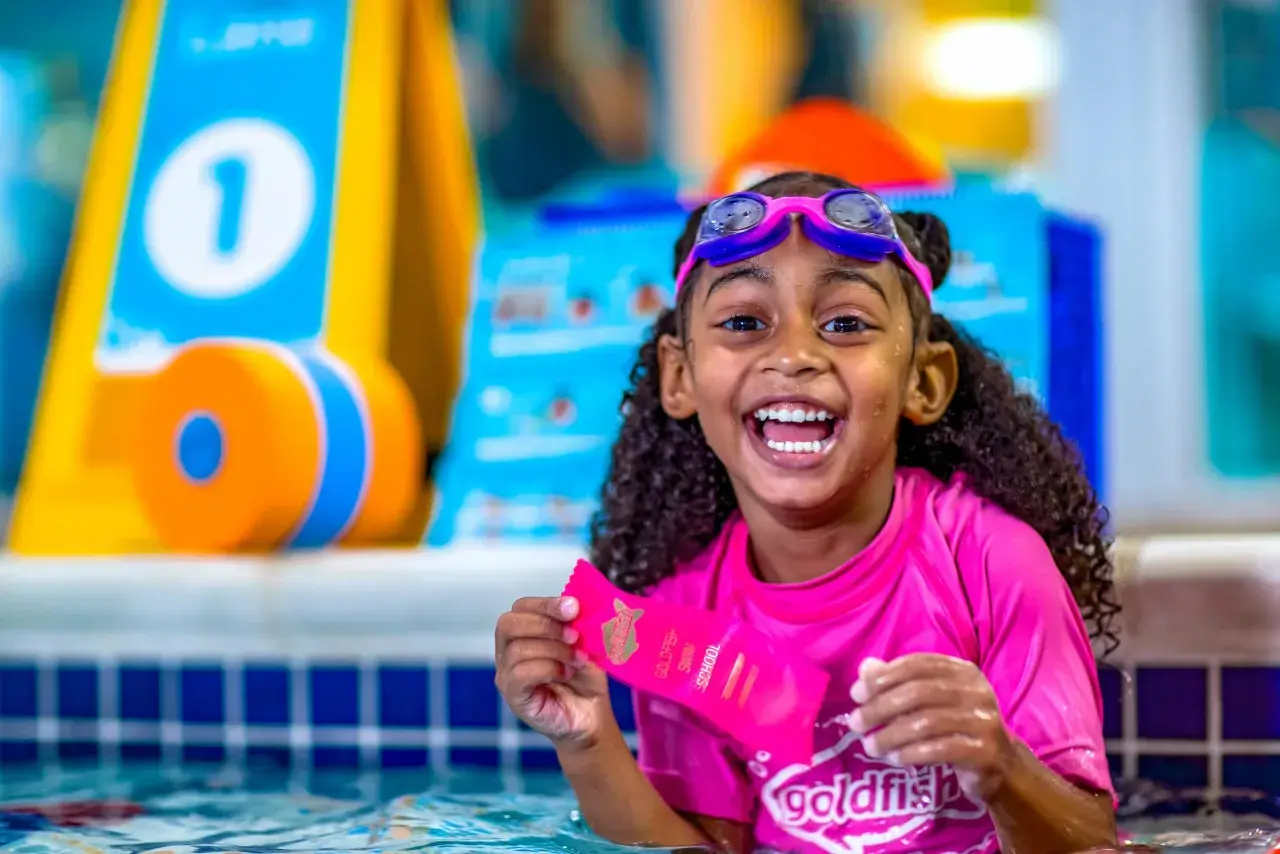
The right swim classes for 5 year olds should feel playful, structured and safe, with enough repetition to build real confidence rather than a quick splash of novelty. In the UK, the best options usually balance water safety, basic floating and short, successful attempts at independent movement, while still feeling friendly enough that a nervous child wants to return next week. This guide covers what a good class looks like, which lesson format makes sense, what to bring, and how to judge progress without pushing too hard too soon.
What matters most before you book
- Readiness matters more than age - a five-year-old may be ready for Stage 1, Stage 2, or a gentler pre-school style class depending on confidence and water comfort.
- Thirty minutes is usually enough - at this age, short and focused lessons tend to work better than long sessions full of waiting around.
- Group lessons are the default choice - they are usually cheaper and give children useful social cues, while 1:1 helps when fear or a specific issue is slowing progress.
- Look for calm structure - good teachers use clear routines, small wins, and stage changes when the child is genuinely ready.
- Water safety is part of the goal - confidence is useful, but the real target is controlled movement, floating, safe entry and safe exit.
What a five-year-old should learn first
At five, I would not chase length swimming first. The stronger starting point is simple: can the child enter the water safely, cope with water on the face, float, regain standing and move a short distance without panic? Those are the building blocks that make later stroke work easier, and they line up with the way children’s learn-to-swim programmes are usually organised in the UK.
Swim England’s Stage 1 is the first step in that pathway, and it begins with safety awareness, basic movement and comfort in a structured class setting. Stage 2 adds jumping in, floating, aquatic breathing and five-metre travel without floor support. That is a sensible benchmark for many five-year-olds: not perfect technique, but enough control to stay calm and keep progressing.
| Skill | Why it matters | What good teaching looks like |
|---|---|---|
| Safe entry and exit | Reduces fear and avoids rushed behaviour at the wall | The teacher uses the same routine every time and does not force speed |
| Face in the water and bubble control | Unlocks breathing control and basic stroke development | Practice is short, frequent and playful rather than forced |
| Front and back floating | Builds body position and the start of self-rescue | The child is helped to relax, recover and stand again |
| Short independent travel | Shows that the child can move without constant physical support | Five metres becomes a realistic, confidence-building target |
| Listening to pool rules | Creates habits that matter every time the child is near water | Rules are repeated simply and linked to what the child is doing |
In England, the school curriculum expects children to be able to swim 25 metres, use a range of strokes and perform safe self-rescue by the end of primary school, so age five is just the beginning of that journey. Once you know the starting point, the next question is whether a weekly group class, a private lesson or a crash course suits your child best.
How UK lesson types differ for this age
For most five-year-olds, I would start with a weekly group lesson unless the child is clearly anxious, has additional support needs, or is stuck on one technical issue that the class cannot solve. Group lessons give routine and peer learning, and they are usually the best value. Private lessons cost more, but they can be the right answer when confidence is the real barrier. Holiday crash courses are useful if you want a concentrated burst of repetition, especially after a long gap or before a family holiday.| Format | Best for | Typical lesson length | Typical UK price snapshot | Trade-off |
|---|---|---|---|---|
| Group lesson | Most five-year-olds who can join a class routine | About 30 minutes | Often from around £3 to £15 per lesson | Cheaper and social, but progress can be slower than 1:1 |
| Private 1:1 lesson | Nervous children, SEN support, or a specific barrier | Usually 30 minutes | Often around £25 for 30 minutes | More expensive, but highly tailored |
| Holiday intensive | Children who learn well through repetition and momentum | 5 x 30-minute lessons over one week | About £22.50 for five lessons at some UK centres | Great short-term progress, but follow-up is still needed |
Those figures are realistic examples, not a national tariff. Local leisure centres, London pools and specialist schools can sit higher, especially for private tuition, but the pattern is consistent: group work is cheapest, private lessons are the most focused, and intensive blocks are the fastest way to reset confidence. The teaching style matters just as much as the format, because a weak instructor can make the right lesson type feel wrong.
What a strong instructor does with a nervous child
The best teachers at this age are not the loudest ones. They are the ones who shorten instructions, keep the class moving, and make each child feel successful within minutes. I look for an instructor who can explain what is happening in plain language, correct a mistake without embarrassment, and adjust the stage if the child is clearly in the wrong group.
A five-year-old does not need a lecture on technique. They need a repeatable rhythm: arrive, listen, try, win a tiny skill, and leave with something that feels achievable. That might sound simple, but it is where most lessons succeed or fail. The teacher should also know when to use play as a tool and when to stop playing and teach the actual movement.
- Clear structure - the child knows what happens first, second and last.
- Short cues - one instruction at a time works better than a string of corrections.
- Visible progress - a child should earn a small win early in the lesson, not only at the end.
- Calm handling of fear - tears or hesitation are treated as information, not misbehaviour.
- Stage awareness - the instructor can explain why the child is in that group and what comes next.
I also pay attention to the basics: recognised teaching qualifications, DBS checks, and a team that can move a child to a better group when needed. That kind of discipline is more useful than a flashy promise, and it leads naturally to the practical side of the first visit: what to bring and how to make the day easy.

What to bring and how to prepare for the first session
Keep the first lesson light. A five-year-old does not need a bag full of gadgets, and too much kit can make the day feel more serious than it needs to be. I would aim for comfort, easy changing and a calm routine before the child even reaches poolside.
- A well-fitting swimsuit or trunks that do not need constant adjustment.
- A towel and a warm layer for afterwards, especially in cooler months.
- Goggles only if the child already likes them; do not make them essential on day one.
- A swim hat if the pool requires it.
- Easy shoes or sliders for the walk between changing area and pool.
- A labelled water bottle for after the session.
What matters more than the bag is the preparation. I would arrive early, explain the routine in simple steps, and avoid promising that the child will “swim lengths” in the first session. If the child hates water on the face at home, practise a little in the bath or shower first. If the child gets anxious around new places, a quick visit to the pool beforehand can remove a lot of pressure. Once that first class is over, the real question is whether the lesson level matches the child’s actual comfort.
How to tell whether the class is pitched correctly
By the end of the first month, I want to see movement, not just attendance. The child may still be messy and inconsistent, and that is fine. What I am looking for is a steady reduction in fear and a steady increase in the ability to follow the lesson without constant rescue from the teacher.
Good signs
- The child enters the water with less hesitation each week.
- They can follow the class routine without becoming overwhelmed.
- They tolerate water on the face and start trying bubbles or short floats.
- They begin to move more independently, even if the distance is tiny.
- They leave the lesson tired but not distressed.
Read Also: Competitive Swim Lessons - Faster Swimming Starts Here
Warning signs
- The child spends most of the lesson clinging to the wall or the teacher.
- They cry or freeze every week with no sign of adaptation.
- They look bored because the group is too easy, or panicked because it is too hard.
- The teacher is constantly improvising because the stage is wrong.
- The child starts refusing to return, which is often a sign of a poor fit rather than a lack of ability.
Questions worth asking before you pay for a term
I would ask these before I hand over a full term fee. They tell you far more than a glossy brochure or a cheerful reception desk.
- Which stage would you place my child in, and why? A good answer should reference actual skills, not just age.
- How long is the lesson once registers and handover are included? Many children’s classes are around 30 minutes, but the usable teaching time can vary.
- What qualifications do the teachers have? You want recognised training, not vague reassurance.
- What happens if my child is nervous or is in the wrong group? The centre should have a clear transfer process.
- Are make-up lessons or holiday intensives available? That matters if you miss sessions or need a confidence boost.
- How do you handle handover and supervision for younger children? For a five-year-old, the parent-poolside routine should be clear from the start.
If the answers are vague, I would keep looking. A good centre should be able to explain the pathway from beginner confidence to basic independence without sounding defensive. That is usually the difference between a class that just fills time and one that actually teaches.
The booking choice I would make for most five-year-olds
If the child is comfortable in water, I would book a weekly group class close to home and let routine do the work. If the child is nervous, I would pay for a small number of private sessions first, then move them into a group once the fear drops. If you want a quick reset after a break, I would use a holiday intensive and then keep going weekly so the progress does not evaporate.
- Choose group lessons if your child is social, reasonably relaxed and ready for regular practice.
- Choose private lessons if fear, sensory sensitivity or a very specific skill issue is blocking progress.
- Choose an intensive course if your child benefits from daily repetition and you want momentum fast.
My rule is simple: for a five-year-old, the best class is the one that builds one small success every session and keeps the child willing to come back. If you can get that combination of comfort, structure and steady progress, the exact label on the programme matters far less than the quality of the teaching and the consistency of attendance.