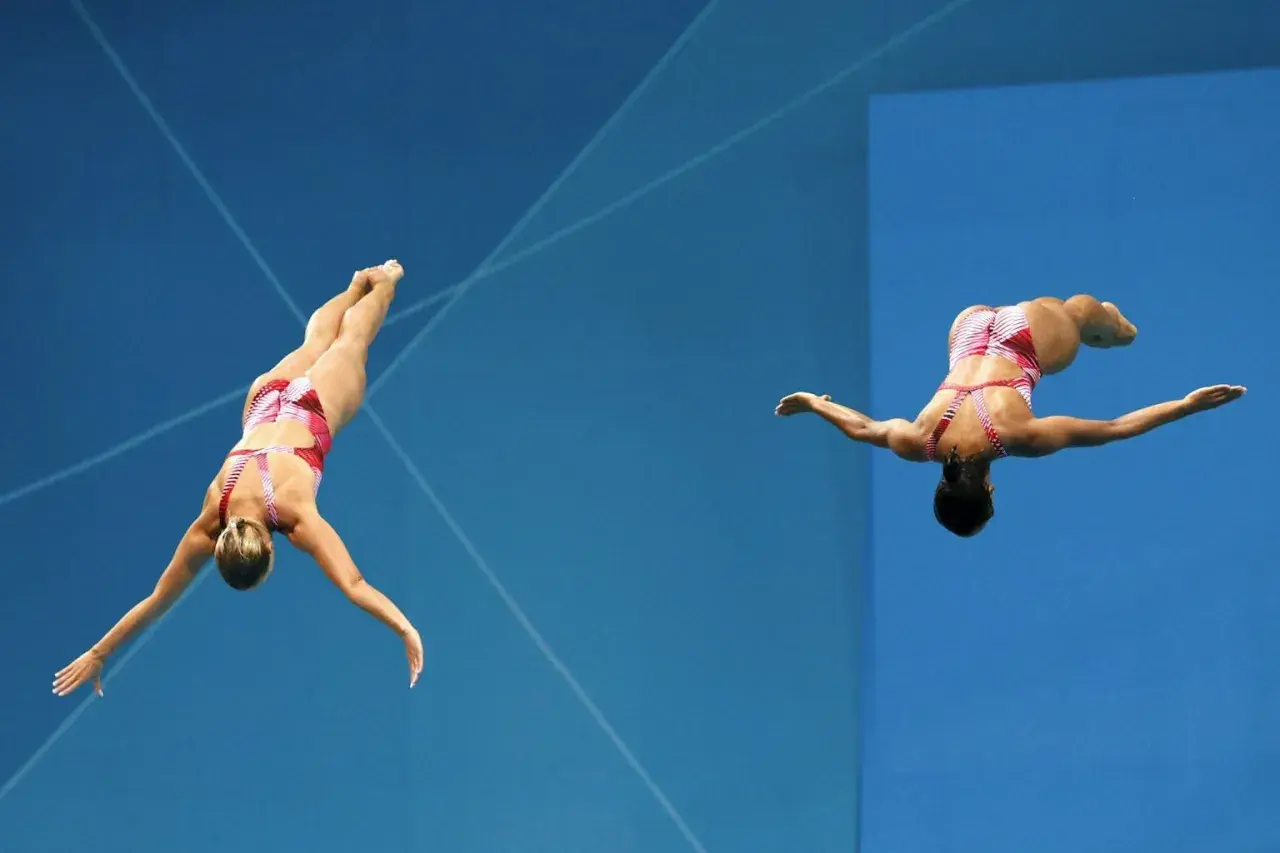
Olympic diving terms look dense at first, but most of them do one of four jobs: they describe the direction of the dive, the body shape, the number of rotations, or the quality of the finish. I like to separate the language into those layers because it makes a meet easier to follow and much easier to coach from poolside. The practical payoff of Olympic diving terms is simple: once you can read the code, you stop guessing what the judges are seeing.
The fastest way to read a dive is to start with direction, shape, and finish
- Direction tells you whether the dive is forward, backward, reverse, inward, twisting, or an armstand.
- Shape tells you whether the diver is straight, pike, tuck, or free.
- The number code packs the somersaults and twists into a compact label.
- Judging focuses on the approach, takeoff, flight, entry, and, in synchronized diving, timing with the partner.
- Difficulty matters, but it only multiplies the quality that was already there.
What the language is really describing
In practice, diving vocabulary is less about memorizing a glossary and more about reading a sentence. A springboard dive from 3 meters (about 10 feet) behaves differently from a platform dive from 10 meters (about 33 feet), but the terms still point to the same core ideas: where the diver starts, how the body is shaped, how many rotations happen, and how clean the entry looks.
| Layer | What it covers | Why I care |
|---|---|---|
| Event type | Springboard, platform, synchronized | Tells you the setting and the judging style |
| Movement type | Forward, backward, reverse, inward, twisting, armstand | Tells you the takeoff direction and the challenge of the dive |
| Body position | Straight, pike, tuck, free | Tells you how compact or open the body is in the air |
| Scoring language | Execution, synchronization, degree of difficulty, entry | Tells you what the judges reward |
Once I read the sport this way, a broadcast transcript or score sheet makes a lot more sense, because every term belongs to one of those layers. That makes the next step easier: learning the groups and positions that show up again and again.
The dive groups and body positions you need first
The six groups are the backbone of the code. The first four describe direction, the fifth adds twist, and the sixth is armstand, which appears only in platform diving. The body positions are simpler: straight, pike, tuck, and free. Free is not a casual word here; it is a technical position used only when a twist is part of the dive.| Group or position | Plain-English meaning | What to watch for |
|---|---|---|
| Forward | The diver faces the water at takeoff and rotates toward it. | Usually the most familiar entry point for new viewers. |
| Backward | The diver takes off with the back to the water and rotates away from it. | Looks simple, but board control is unforgiving. |
| Reverse | The diver faces the board at takeoff and rotates back toward the water. | People often confuse it with backward, but the body starts in the opposite direction. |
| Inward | The diver starts with the back to the water and rotates back toward the board. | The diver must manage the board closely on the way through. |
| Twisting | A dive with one or more twists added to another direction. | Twists raise the technical demand because the body is rotating on two axes. |
| Armstand | A handstand takeoff used only on platform. | It is a platform-only specialty and feels very different from springboard work. |
| Straight | The body stays long and aligned. | Hardest to control because there is less room to adjust rotation. |
| Pike | The body bends at the hips while the legs stay straight. | A middle-ground shape that still demands tight lines. |
| Tuck | The body folds compactly with knees and hips bent. | Lets the diver rotate faster and usually feels the most forgiving. |
| Free | A mixed position used only in twisting dives. | It is not a relaxed shape; it is a coded technical option. |
The easiest mistake is assuming that all dives sound similar because the words are familiar. They are not. A coach, announcer, and judge can all say the same event in very different shorthand, and the position letter matters as much as the direction itself.
How to decode a dive number without memorizing the whole table
Once you know the group and the position letters, the number code stops looking random. In most cases, the first digit tells you the group, the remaining digits show how many somersaults and twists are built into the dive, and the final letter tells you the body position. I do not expect casual fans to decode every combination on sight, but the first digit and last letter already tell you a lot.
| Code | How I read it | What it tells you fast |
|---|---|---|
| 107B | Forward dive with 3.5 somersaults in pike. | Forward group, high rotation count, pike body line. |
| 305C | Reverse dive with 2.5 somersaults in tuck. | Reverse group and a compact tuck shape. |
| 5131D | Forward dive with 1.5 somersaults and 0.5 twist in free position. | Twisting dive, forward entry pattern, free position only because twist is included. |
| 5253B | Back dive with 2.5 somersaults and 1.5 twists in pike. | Back group, multiple twists, pike body shape. |
That code structure is useful because it tells you what kind of pressure the diver is handling. A larger number usually means more rotation or more twist, which often raises the degree of difficulty, but a harder code never cancels out sloppy execution. If the entry is loose, the score will show it.
How judges turn clean mechanics into points
This is where terminology becomes a score instead of a description. In individual events, major meets usually use seven judges, each giving a score from 0 to 10 in half-point increments. In synchronized events, 11 judges are used: six focus on the two athletes individually and five focus on synchronization. In individual events, the two highest and two lowest marks are discarded before the remaining scores are combined with the degree of difficulty.
| What judges watch | Plain-English version | Common failure |
|---|---|---|
| Starting position and approach | The diver’s stance, rhythm, and board control before takeoff. | Rushing, losing balance, or telegraphing the dive. |
| Takeoff | The moment the diver leaves the board or platform. | Leaving too early, too late, or without enough lift. |
| Flight | The somersaults, twists, and body shape in the air. | Opening the body too soon or losing alignment. |
| Entry | How the diver meets the water. | Bent knees, bent elbows, or a splash that is too wide. |
| Synchronization | How closely both divers match each other. | Uneven timing, mismatched angles, or different entry points. |
If I had to give one practical rule to a newcomer, it would be this: learn to separate difficulty from cleanliness. A difficult dive done cleanly can outscore an easier dive, but only because the basic mechanics still held up. The judges are not rewarding chaos; they are rewarding control under pressure.
The words coaches use on deck and why they matter
Poolside talk is usually shorter than broadcast language. Coaches use words like approach, hurdle, line-up, entry, and balk because they need to correct one piece of the dive fast. I find this vocabulary especially useful for swimmers moving into diving, because it turns vague feedback into something you can actually feel in the body.
| Term | Meaning | Why it matters in practice |
|---|---|---|
| Approach | The steps or run that set up the dive. | Builds rhythm and gives the diver the correct launch position. |
| Hurdle | The final hop onto the board in a forward springboard dive. | Creates lift and board pressure without breaking posture. |
| Takeoff | The instant the diver leaves the board or platform. | Decides height, direction, and the space available in flight. |
| Line-up | A straight, aligned body shape before the entry. | Helps the diver finish vertically and reduce splash. |
| Balk | An illegal movement before the dive starts. | Can spoil the attempt before the athlete even leaves the board. |
| Somersault | Forward or backward rotation over the head. | Different from a twist, and the distinction matters in every dive code. |
| Twist | Rotation around the body’s long axis. | Adds technical risk and changes the body demands in the air. |
| Entry | The moment the diver enters the water. | It is where the dive either finishes cleanly or leaks points. |
One thing I tell athletes often: a better entry does not just mean a smaller splash; it means the body meets the water in a tighter line. That distinction matters because the splash is a symptom, not the whole score.
What this vocabulary means for water polo and swim athletes
Even though diving and water polo live in the same aquatics world, they use language for different problems. Water polo talk centers on movement with the ball, contact, exclusions, the eggbeater kick, shot clock pressure, and positioning in front of the goal. Diving language is narrower and more exact: how the body leaves the board, how it rotates, and how it enters the water.- Body control carries over. A strong core, tight hips, and clean alignment help in both sports.
- Explosive legs carry over. The dive hurdle and the water polo drive both depend on force through the lower body.
- Water entry still matters. In both sports, sloppy entry wastes speed and control.
- The vocabulary does not transfer one-for-one. A term that sounds familiar can mean something different once the ball is involved.
That overlap is why I think swimmers who dabble in diving or water polo should learn the terms instead of skating past them. The language is a shortcut to better movement: once you understand what a coach means by line, timing, or entry, the correction lands faster.
The fastest way to make the vocabulary stick at a meet
If I were learning this from scratch, I would not start with a giant glossary. I would watch one event and force myself to answer three questions in order: what group is it, what position is the diver using, and how clean is the entry? That order matches how the sport is actually read, and it keeps the terminology attached to a real visual cue instead of a memorized list.
- Identify the direction first: forward, backward, reverse, inward, twisting, or armstand.
- Check the shape next: straight, pike, tuck, or free.
- Finish by judging the control: lift, timing, entry, and, in synchronized diving, how closely both athletes match each other.
That is enough to follow most broadcasts with confidence and enough to make the coaching language feel useful instead of abstract. Once those patterns are familiar, the rest of the terminology becomes easier to place, and the dives themselves start looking a lot less mysterious.