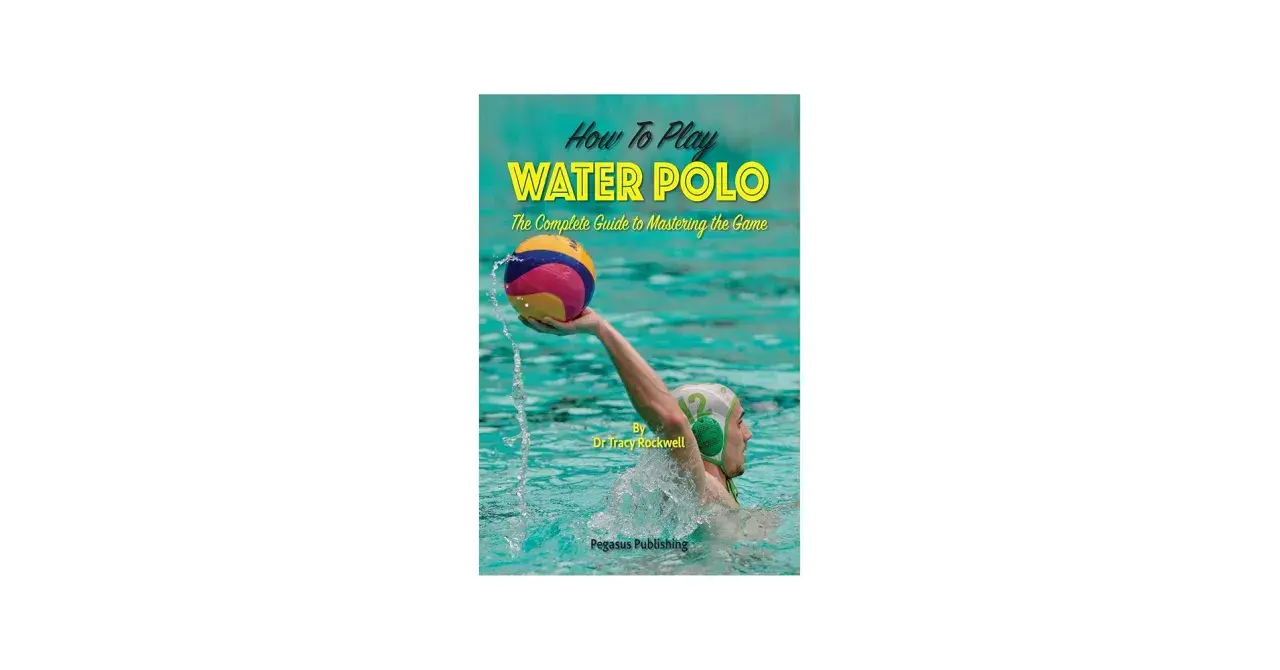
Strong water polo players are built on leg drive, contact balance, and fast decision-making. The overlap with diving is real, but it is narrower than many people expect: the sport rewards body line, explosive entries into movement, and the ability to recover instantly after a play. In this article, I break down what matters most, how diving skills transfer, and how I would train an athlete in the United States who wants to get better quickly.
What matters most in the pool
- A standard match starts with seven athletes in the water per side, so every role has to be useful immediately.
- Diving helps most when it improves body control, line, and explosive movement, not when it creates board-specific habits.
- The eggbeater kick is the real separator because it keeps the torso high enough to pass, shoot, and defend.
- A smart first training block should balance leg work, ball skill, and shoulder-safe conditioning.
- Pure swim fitness is not enough on its own, because the game is about repeated bursts under contact.
What makes the sport so demanding
I usually describe the game as swimming, wrestling, and problem-solving happening at the same time. USA Water Polo describes the standard setup as six field players plus a goalkeeper in the water, and that simple fact explains why the sport feels so dense: there is no real hiding place, and every athlete has to contribute on both sides of the ball.
The main roles are straightforward, but the demands are not. Perimeter players need repeat sprint ability and quick hands, centers need strength and balance through contact, and defenders need the discipline to stay between an opponent and the goal without losing position. The goalkeeper, meanwhile, has to stay tall, react fast, and read the play a second before everyone else does.
- Perimeter players need to move, catch, and release under pressure.
- Centers need to hold position when defenders lean, pull, or sink them.
- Defenders need leverage, patience, and a strong eggbeater base.
- Goalkeepers need timing, leg lift, and calm decision-making.
That mix is why a good athlete can still look awkward at first. The sport punishes one-dimensional fitness and rewards people who can stay composed while the whole shape of the play keeps changing, which is where the link to diving starts to matter.

How diving skills transfer and where they stop helping
If by diving you mean the mechanics that come from entering the water cleanly, controlling the body in the air, and staying compact under pressure, then yes, there is a useful crossover. A diver usually brings better line, better awareness of body tension, and a cleaner sense of how to move through water with less waste.
What does not transfer automatically is the habit of caring about a perfect entry more than what happens after it. Water polo asks for immediate recovery, quick eye contact with teammates, and the ability to absorb bumps, reach for the ball, and keep moving. The sport values ugly efficiency more than aesthetic form.
| Skill from diving | Why it helps in water polo | Where it falls short |
|---|---|---|
| Body line | Improves balance on shots, entries into movement, and quick direction changes | Does not replace leg strength or contact stability |
| Explosive takeoff | Helps with popping up to pass, block, or shoot from a high position | Must be repeatable under fatigue, not just once off the block |
| Rotation control | Useful for turning fast, recovering after contact, and adjusting in the air | The game rewards function, not clean-looking rotation |
| Breath control | Helps during scrambles, long possessions, and defensive holds | Cannot stand in for conditioning or leg endurance |
| Shoulder mobility | Supports throwing mechanics and overhead reach | Only helps if the shoulder is also strong and stable |
The cleanest way to say it is this: diving gives you a better relationship with the water, but the game asks you to stay functional in chaos. That distinction matters, because the next step is not prettier movement. It is stronger, smarter movement.
The technical habits I would teach first
World Aquatics coverage of elite athletes keeps circling back to the same message: keep the legs active and stay high in the water. I agree with that completely, and I would build the first layer of training around four habits before worrying about anything flashy.
Eggbeater kick
The eggbeater kick is the circular leg action that keeps the body vertical and stable while freeing the arms. This is the foundation of almost everything: passing, blocking, wrestling for position, and shooting with power. The most common mistake I see is athletes trying to kick from the knees instead of driving from the hips and keeping the motion smooth.Head-up swimming
In a real game, you do not get to swim in a relaxed freestyle bubble. You need to see the ball, read the defense, and arrive in the right lane with your head up. That is why I prefer short, repeated sprints with game-like posture over endless laps that never ask the athlete to look forward.
Passing under pressure
Good passing is not about beauty. It is about speed, timing, and whether the receiver can handle the ball cleanly while someone is leaning on them. I like to start with simple dry catches, then progress to wet passes, which land in the water and require a controlled pickup. If the athlete cannot pass accurately while tired, nothing else matters much.
Read Also: Water Polo Fouls Explained - Master the Whistle & Game
Shooting from a high set position
A useful shot begins with a stable base. When the torso stays high, the release point becomes harder to read, and the shooter can create more angle without wasting energy. I would rather see a calm, balanced shot at 80 percent power than a frantic throw that leaves the body sinking and the shoulder exposed.
These four habits carry more value than a long list of random drills, because they all improve the same thing: the athlete’s ability to stay useful while the play is moving fast and the body is under stress. That is why the training plan has to match the sport instead of just looking athletic on paper.
A practical first month training plan
For a beginner or crossover athlete in the United States, I would start with a simple weekly pattern: three pool sessions, two dryland sessions, and one lighter recovery day. That is enough volume to improve without turning every workout into a shoulder-grinding marathon.
| Session | Main focus | What I want to see |
|---|---|---|
| Pool day 1 | Eggbeater, treading, and basic ball handling | Stable posture and quiet hands |
| Pool day 2 | Head-up sprints and change of direction | Fast movement without losing awareness |
| Pool day 3 | Small-sided scrimmage and contact work | Decisions made under pressure, not just conditioning |
| Dryland day 1 | Legs, hips, trunk, and pulling strength | A stronger base for the pool |
| Dryland day 2 | Shoulder prep, mobility, and rotational control | Range of motion without irritation |
| Recovery day | Easy mobility, sleep, and hydration | Fresh legs and quieter shoulders |
If someone comes from swimming, the engine is usually there, but the legs and body control need more work. If someone comes from diving, the body awareness is often better, but the repeated deep-water effort and contact tolerance need to be built carefully. I would not rush either athlete into high-volume shooting until the base is solid.
A useful pool warm-up is short and specific: a few minutes of shoulder activation, a few minutes of hip mobility, and then direct work on tread, catch, and release. I have little patience for warm-ups that take energy but do not prepare the athlete for the exact stress of the sport.
Mistakes that slow progress and how to avoid them
The biggest mistake is treating the game like swim practice with a ball attached. That approach builds fitness, but not always skill. I see the same pattern over and over: a player can move quickly in a lane, yet becomes ineffective the moment contact, timing, or decision-making enters the picture.
- Ignoring leg endurance makes the athlete sink late in the possession.
- Chasing hard shots too early usually leads to poor mechanics and sore shoulders.
- Training only straight-line speed misses the turning, wrestling, and reaction demands of the sport.
- Skipping scrimmage work leaves the athlete unprepared for real game pace.
- Overvaluing clean form can make a player hesitate when the play becomes messy.
I also think many beginners underestimate how much the shoulders and lower back are asked to do. The safe answer is not to back off the sport. It is to build trunk strength, shoulder control, and recovery habits early, before the volume climbs.
What I would lock in before a first serious season
If I were building a first season from scratch, I would keep the priorities brutally simple. First, make sure the athlete can stay upright and calm in deep water. Second, make sure the athlete can catch and pass while moving. Third, make sure the athlete can survive contact without losing shape or confidence.
- Choose a club or school team that gives real game reps, not just fitness work.
- Spend extra time on leg drive, because that skill changes everything else.
- Keep the shoulders healthy with mobility, pulling strength, and sensible throwing volume.
- Use every scrimmage to learn timing, spacing, and patience, not just effort.
That is the part I would not skip: the sport becomes much easier once the athlete stops fighting the water and starts using it. Build the base first, and the rest of the game opens up fast.