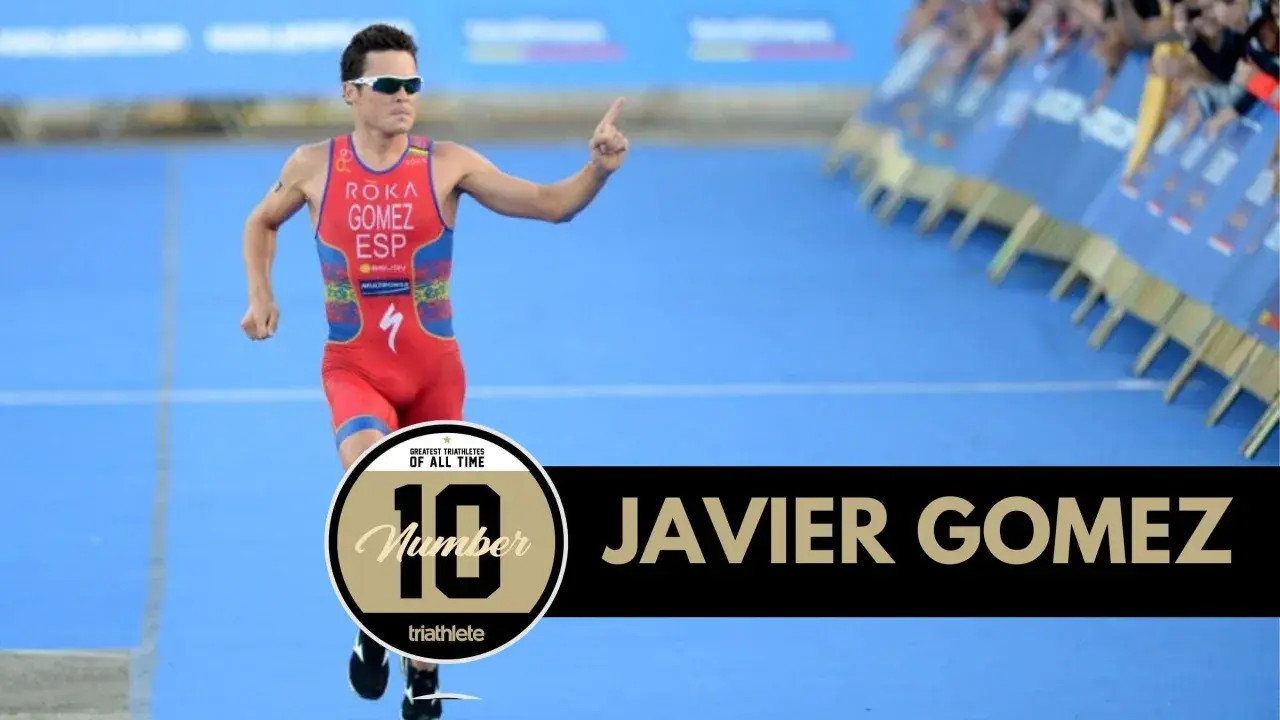
The most famous triathletes are rarely known for only one result. Some built their reputations through Olympic medals, others through Ironman dominance, and a few because they changed the way the sport is raced. In this article, I break down the names people remember, what made them stand out, and the practical lessons swimmers can actually use.
What the most recognizable names in triathlon have in common
- Triathlon fame usually comes from Olympic success, Ironman wins, or a long stretch of dominance, not from one isolated race.
- The sport is split into short-course, middle-distance, and long-course stars, so context matters more than many readers expect.
- The swim leg often decides who gets to control the day, which is why swimmers tend to notice the best triathletes early.
- For U.S. readers, Mark Allen, Dave Scott, Gwen Jorgensen, and Taylor Knibb are the cleanest reference points.
Why some triathletes become household names
Triathlon fame is a mix of performance, timing, and story. Winning once at the right event can create attention, but repeated wins, clear race style, and memorable rivalries are what make an athlete stick in people’s minds. I usually think of the sport as producing three kinds of stars: Olympic champions, long-course specialists, and bridge athletes who can matter across more than one format.
That split matters because the same athlete can look dominant at one distance and merely solid at another. A short-course racer may win with speed and tactics, while an Ironman legend earns respect through patience, durability, and control under fatigue. Once you see that, the rest of the conversation becomes much easier to read.That distinction leads straight into the names people bring up first.

The names that define the sport for most readers
When people talk about the sport’s biggest names, they usually point to athletes who changed either the record book or the way triathlon feels on television. These are the athletes I would put on the first page of any discussion about triathlon fame.
| Athlete | What they are famous for | Why they still matter |
|---|---|---|
| Mark Allen | Won the inaugural ITU World Championships in 1989 and became a six-time Ironman World Champion. | He represents the early long-course template: mental control, tactical patience, and the ability to close hard when it matters. |
| Dave Scott | The first six-time Ironman World Championship winner and one of the sport’s earliest icons. | He helped turn Ironman from a pure survival test into a race with real strategy, structure, and spectacle. |
| Gwen Jorgensen | Won Olympic gold in Rio and dominated the World Triathlon Series in 2014 and 2015. | For U.S. fans, she is the clearest proof that a runner-swimmer profile can be turned into elite triathlon success. |
| Alistair Brownlee | The only athlete with two individual Olympic triathlon titles, winning in 2012 and 2016. | He is the benchmark for tactical aggression done well: front-foot racing without wasting energy. |
| Jan Frodeno | Won Olympic gold in 2008 and later became a long-course benchmark. | He shows that a strong swimmer can build into a complete athlete without losing efficiency when the races get longer. |
| Flora Duffy | Won Olympic and world titles in the same year and delivered Bermuda’s first Olympic gold medal. | She turned a breakthrough season into a global story, which is exactly how elite reputations become durable. |
| Taylor Knibb | One of the most visible U.S. stars of the current era, with success across Olympic and long-course racing. | In 2026, she is a useful example of how modern triathlon fame now crosses formats instead of living in just one lane. |
If I had to summarize the pattern in one line, it would be this: the athletes people remember most are the ones who combine a major title with a race style that is easy to recognize. That matters because different formats reward different strengths, and that is where the next layer of the sport gets interesting.
What the greats do differently across swim, bike, and run
The best-known triathletes are not perfect in the same way. Some are devastating in the water, others are relentless on the bike, and a few win because their run stays clean after five or six hours of work. What separates the very best is how well they control the whole sequence.
The swim usually starts the story
In triathlon, the swim is not just an opening act. It decides who exits with options and who spends the rest of the day chasing. The strongest athletes in the sport tend to do three things well: start fast without panicking, hold position in traffic, and sight efficiently so they do not waste energy. That is why a fast first 300 to 500 meters can matter more than people expect. If you leave the water near the front, you get cleaner air on the bike, better race information, and less emotional damage.
The bike rewards discipline more than bravado
The bike leg is where many races are won too early or lost too late. Famous triathletes are usually very disciplined here. They know when to sit in, when to attack, and when to save matches for the run. The public often remembers the bike because it looks dramatic, but the real skill is restraint. In long-course racing, that discipline includes fueling early, holding position, and resisting the temptation to chase every move.
The run exposes everyone
When the run starts, the race stops hiding mistakes. A strong triathlete does not just have speed; they have the ability to keep form, cadence, and decision-making intact while tired. The names that keep showing up at the front are usually the ones who manage heat, pacing, and effort distribution better than their rivals. That is why some athletes look ordinary until the final hour, then suddenly separate from the field.
Read Also: Women's Triathlon - Your First Race & Training Guide
Transitions are where the clock gets honest
Transitions are not glamorous, but they are expensive when ignored. A few seconds lost in T1 and T2 rarely look dramatic in isolation, yet they add up over a season. The best athletes treat transitions as a skill: smooth helmet handling, clean shoe changes, and calm movement under pressure. That is one reason top triathletes feel so efficient on camera. Nothing looks rushed, even when the pace is brutal.
Those habits are useful only if they become training choices, which is where swimmers can get a real advantage.
What swimmers can borrow without trying to become triathletes overnight
From a swimming perspective, the biggest lesson in triathlon is that the water is where control begins. You do not need to become a full-time triathlete to learn from the sport’s best names. You do need to treat the first leg like a positioning problem, not just a fitness test.
- Practice open-water starts and sighting every 6 to 10 strokes so you can hold your line under pressure.
- Use at least one weekly set that mixes steady threshold work with short surges, because race starts are rarely smooth.
- If you race triathlon, rehearse wetsuit removal, goggles, and fast exits so T1 does not become a wasted minute.
- Add a 10 to 20 minute easy brick run after selected bike sessions to teach your body the feeling of moving on tired legs.
- Choose gear with purpose: a good wetsuit, well-fitting goggles, and a trisuit that dries fast can save energy and reduce friction.
- Respect fueling in longer races; in endurance triathlon, a poor nutrition plan can erase hours of good fitness.
I also think swimmers underestimate how much triathlon rewards calmness. The fastest line through the water is not always the cleanest if it forces you to fight for position later. A controlled first leg is often worth more than an all-out effort that leaves you scattered. That insight makes it easier to judge athletes by more than just their finishing time.
How I separate fame from real triathlon greatness
Fame and greatness overlap, but they are not identical. I separate them by looking at five things: the quality of the field, the length of time an athlete stays relevant, how many formats they can handle, whether they can control races instead of merely survive them, and whether they created moments other fans still talk about years later.
A single title can make someone famous. Repeating that success against deep fields is what turns fame into legitimacy. That is especially true in triathlon, where course conditions, heat, drafting rules, and distance all change the equation. The athlete who wins when the day is messy usually earns more respect than the athlete who only looks unbeatable when everything is ideal.
That is why I would rather describe a triathlete as durable, adaptable, or race-smart than simply popular. Popularity can come from a highlight reel. Real greatness usually leaves a longer trail.
The current era makes that even more obvious.
The current era keeps widening what triathlon fame looks like
In 2026, the sport is less tidy than it used to be. Olympic racing, mixed relay, T100, and Ironman all create different pathways to visibility, which means a modern star does not need to win in only one corner of the sport to become widely known. Taylor Knibb is a good example of that shift in the U.S. She matters because she can show up in more than one format and still look like a headline athlete.
That broader landscape is good for the sport, but it also raises the bar for how we judge it. If you are a swimmer following triathlon for the first time, start with the athletes who control the first leg and then see how they manage the next two. That is where reputation is usually built. It is also why the best-known triathletes are often the best teachers for anyone who wants to race smarter, not just harder.
