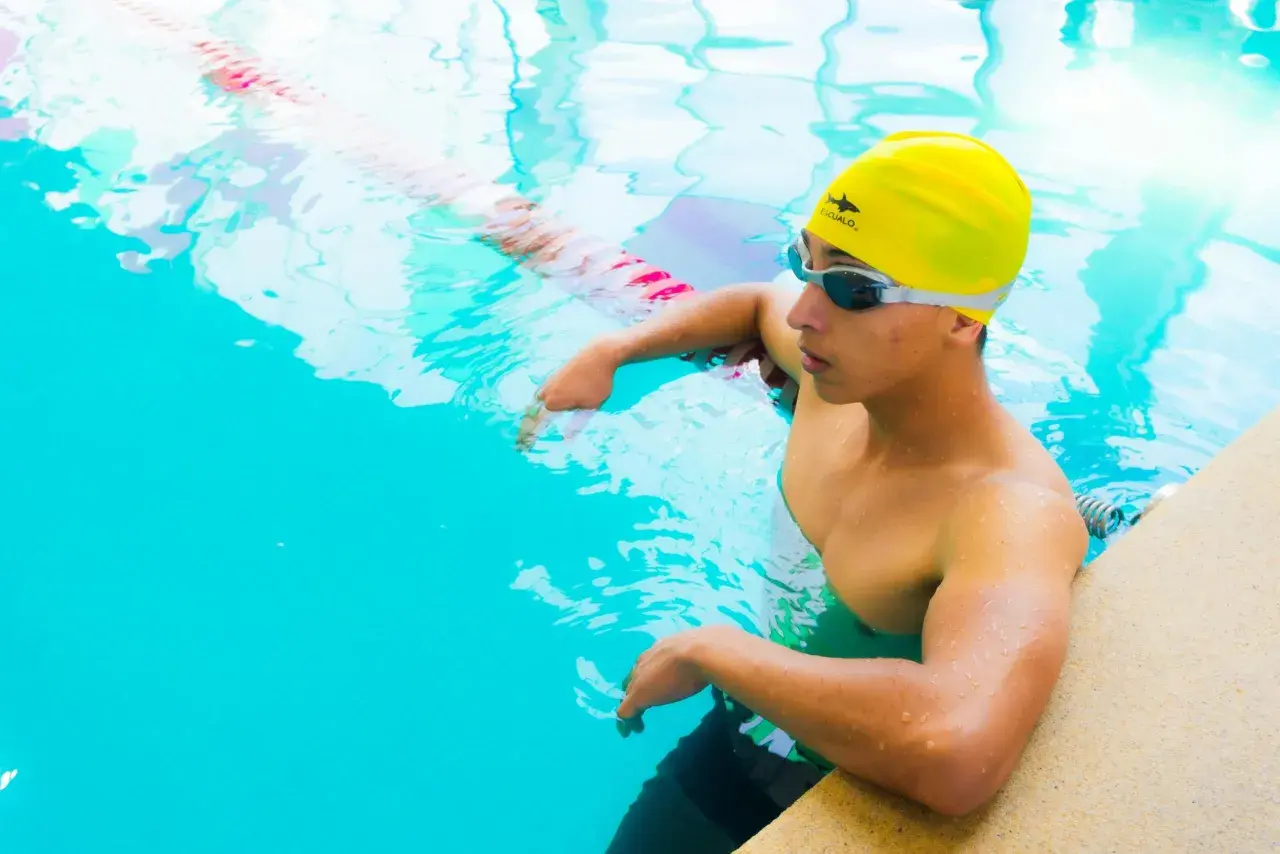
In the UK, swim instruction can pay anything from modest part-time money to a solid specialist income, depending on where you work, what you teach, and how many paid hours you can actually fill. The real answer to how much do swim instructors make is not just the headline rate; it is the mix of hourly pay, weekly lesson volume, and whether you are employed by a leisure centre, a private swim school, or working independently. I would treat the rate as only half the story, because unpaid planning, travel, and cancellations can change the final number quite a bit.
The quickest way to read UK swim teacher pay
- Starter earnings are commonly around £19,000 a year, with experienced instructors reaching about £34,000 a year.
- Hourly pay often sits in the £10 to £19 range, with many mainstream roles clustering in the middle.
- Current UK salary data puts a Level 2 swimming teacher at £16.52 an hour on average across employers.
- Private swim schools usually pay more than local authority settings, but the highest hourly rate does not always mean the best take-home pay.
- Weekly hours matter as much as the rate, because many swim teachers work part time.
The UK pay range at a glance
When I look at swim instructor pay in the UK, I think in two layers: the hourly rate and the annual equivalent. According to the UK National Careers Service, swimming teachers are often paid hourly, with rates ranging from £10 to £19 an hour, while the annual guide sits at £19,000 for starters and £34,000 for experienced teachers. That is a wide spread, but it makes sense once you separate entry-level support work from independent teaching and specialist sessions.| Pay marker | Typical figure | What it usually means |
|---|---|---|
| Starter annual salary | £19,000 | Newer roles, fewer hours, or more supervised teaching |
| Experienced annual salary | £34,000 | Stronger experience, fuller diaries, or higher-value settings |
| Common hourly range | £10-£19 | The broad UK market for part-time and employed work |
| Level 2 teacher benchmark | £16.52 an hour | A useful middle-of-the-market reference point |
What those hourly rates mean over a year
Hourly pay can look fine until you spread it over the whole year. A teacher on £16.52 an hour can earn very different totals depending on how many teaching hours are actually booked each week, and most instructors do not work a clean 37.5-hour office pattern. The table below uses that current UK benchmark to show how fast annual income changes.
| Weekly teaching hours | Gross annual pay at £16.52/hour | What that feels like in practice |
|---|---|---|
| 10 hours | £8,590 | Typical of a very light part-time schedule |
| 15 hours | £12,886 | A common side-income pattern for many instructors |
| 20 hours | £17,181 | Better, but still below a lot of full-time income targets |
| 25 hours | £21,476 | Solid teaching volume if the diary stays full |
| 30 hours | £25,771 | Approaching a more substantial yearly income |
This is where a lot of people misread the job. A 20-hour teaching week sounds simple, but not every hour is actually paid, and some roles only pay for the lesson itself, not the prep, assessment, or travel between pools. That is why the setting you choose matters so much.

Why employer type changes the rate so much
Not all swim teaching work is priced the same. Swim England’s salary checker shows how much employer type can move the needle even when the qualification level stays the same. In other words, the teacher is doing a similar job, but the business model behind the lesson changes the pay.
| Employer type | Typical L2 hourly rate | How I read it |
|---|---|---|
| Local authority operators | £13.28 | Usually lower pay, often more budget-driven |
| Clubs | £15.43 | Middle-of-the-road pay with mixed weekly patterns |
| Educational facility operators | £18.26 | Often stronger pay where lessons sit in a school or campus setting |
| Private swim schools | £19.08 | The best average in this set, usually because parents are paying for convenience and smaller groups |
The pattern is fairly consistent: the more premium, specialised, or convenience-led the lesson format, the better the rate tends to be. Local authority work can still be a good option if you want stability and regular pool access, but if your goal is higher hourly pay, the private side of the market is usually where I would look first. Once you understand that split, the next lever is qualification.
Qualifications and specialisms that lift earnings
In UK swim teaching, pay is tied more closely to responsibility than to glamour. A Level 1 or assistant-type role usually sits lower because you are supporting rather than running the lesson independently. A Level 2 teacher is the more important threshold because that is where you can usually take control of a session, manage different swimmer abilities, and become a more valuable hire.
- Level 1 or assistant work is usually the entry point and generally pays less.
- Level 2 teaching is the main step into independent lesson delivery and better hourly rates.
- Specialist sessions for babies, pre-school swimmers, adults, or disabled swimmers can make you more useful to employers.
- First aid, safeguarding, and strong communication skills do not always raise the rate directly, but they make you much easier to place in a rota.
- CPD and technical confidence matter because a teacher who can solve problems calmly is worth more than one who can only follow a script.
That is the part people often underestimate. A certificate alone does not guarantee better pay, but the right mix of qualification, reliability, and specialist demand usually does. And once you have that base, the real money question becomes how to structure your week.
How to push your earnings higher without chasing every extra hour
If I were trying to improve swim teaching income, I would focus on structure before volume. The strongest instructors I see are not always the ones taking the most sessions; they are the ones filling the best sessions and protecting the time around them.
- Work the busy slots such as evenings, weekends, and school-holiday periods, because that is where demand is concentrated.
- Prefer fuller blocks of teaching over scattered one-off hours, because a predictable diary usually pays better in real terms.
- Take on higher-value groups such as beginners, nervous adults, or small private classes, where your teaching skill is more visible.
- Reduce unpaid time by batching lesson plans and admin instead of trying to do everything between sessions.
- Watch the contract closely if you are freelance, because cancellations, pool fees, and travel can quietly eat the uplift from a higher headline rate.
My rule of thumb is simple: gross income = hourly rate x booked teaching hours x 52. That formula sounds basic, but it forces you to ask the right question. A lower hourly rate with a full, reliable diary can beat a higher rate with empty gaps and constant rescheduling. That reality leads to the final benchmark I would use in 2026.
The realistic 2026 benchmark I would use
If I were comparing offers in the UK right now, I would treat £15-£17 an hour as a fair mainstream employed target, £18-£19 an hour as a stronger rate, and £19,000-£34,000 a year as the broad annual band for swim teachers depending on experience and hours. For someone teaching privately or in a premium setting, the upside can be better, but only if the diary stays full and the overheads stay under control.
The cleanest way to judge any swim instruction role is to look at three numbers together: the hourly rate, the number of paid hours, and whether planning or travel is included. Once those three are clear, it becomes much easier to tell whether a job is genuinely competitive or just looks good on the surface.